Cemetery Cost Insights for 2026: Plan Ahead

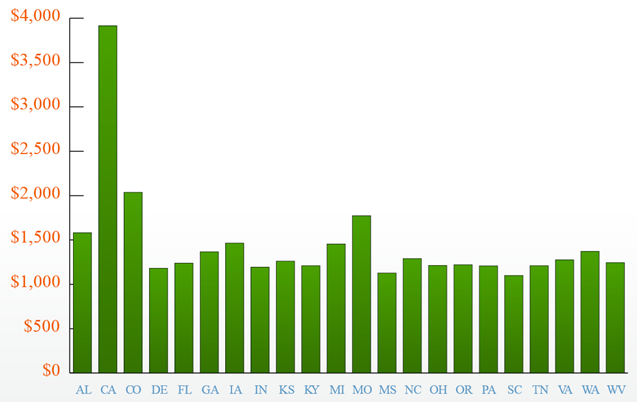

As we approach 2026, understanding cemetery cost becomes increasingly important for individuals planning their final arrangements. With shifts in societal preferences and economic factors, cemetery pricing is poised to change in the coming years. This comprehensive overview aims to shed light on the various elements that influence these costs, including traditional burial and cremation options, while offering budgeting tips and strategies for future expenses. By equipping yourself with this knowledge now, you can ensure that your loved ones are prepared and informed when the time comes.
Understanding Cemetery Costs: A Comprehensive Overview
Cemetery costs vary widely, depending on several factors. In 2026, it’s crucial to understand the elements that affect pricing. Here’s a breakdown:
- Plot Prices: The location of the cemetery plays a significant role. Urban areas generally have higher costs compared to rural settings.
- Type of Burial: Traditional burials often involve more expenses, such as caskets and vaults. Alternatively, cremation tends to be less expensive, impacting the overall cemetery cost.
- Additional Services: Fees for maintenance, opening and closing graves, and ceremony arrangements can add up.
Here’s a simple comparison between traditional burial and cremation costs:
| Expense Type | Traditional Burial | Cremation |
|---|---|---|
| Plot Cost | High | Lower |
| Casket | Yes | No |
| Vault | Yes | No |
| Service Fees | Yes | Often lower |
Understanding these factors can help you better plan for cemetery costs in the future. It’s essential to think ahead and budget accordingly to avoid unexpected expenses.
Factors Influencing Cemetery Pricing in 2026
Understanding the factors that impact cemetery costs in 2026 is crucial for effective planning. Several key elements can affect pricing, including:
- Location: Urban cemeteries typically have higher costs compared to rural sites. Proximity to major cities often leads to increased land value.
- Type of Burial: Traditional burials tend to have higher costs than cremation, primarily due to the necessity of a casket and a burial plot.
- Maintenance Fees: Many cemeteries charge ongoing maintenance fees, which can vary based on the services provided.
- Legal Regulations: Changes in local regulations can affect the overall cemetery cost, impacting land use and operational requirements.
- Consumer Demand: As preferences shift towards eco-friendly burial options or cremation, this can drive costs in different directions.
By considering these factors, individuals can better anticipate cemetery costs in 2026 and make informed decisions about their burial plans.
Comparing Traditional Burial vs. Cremation Costs
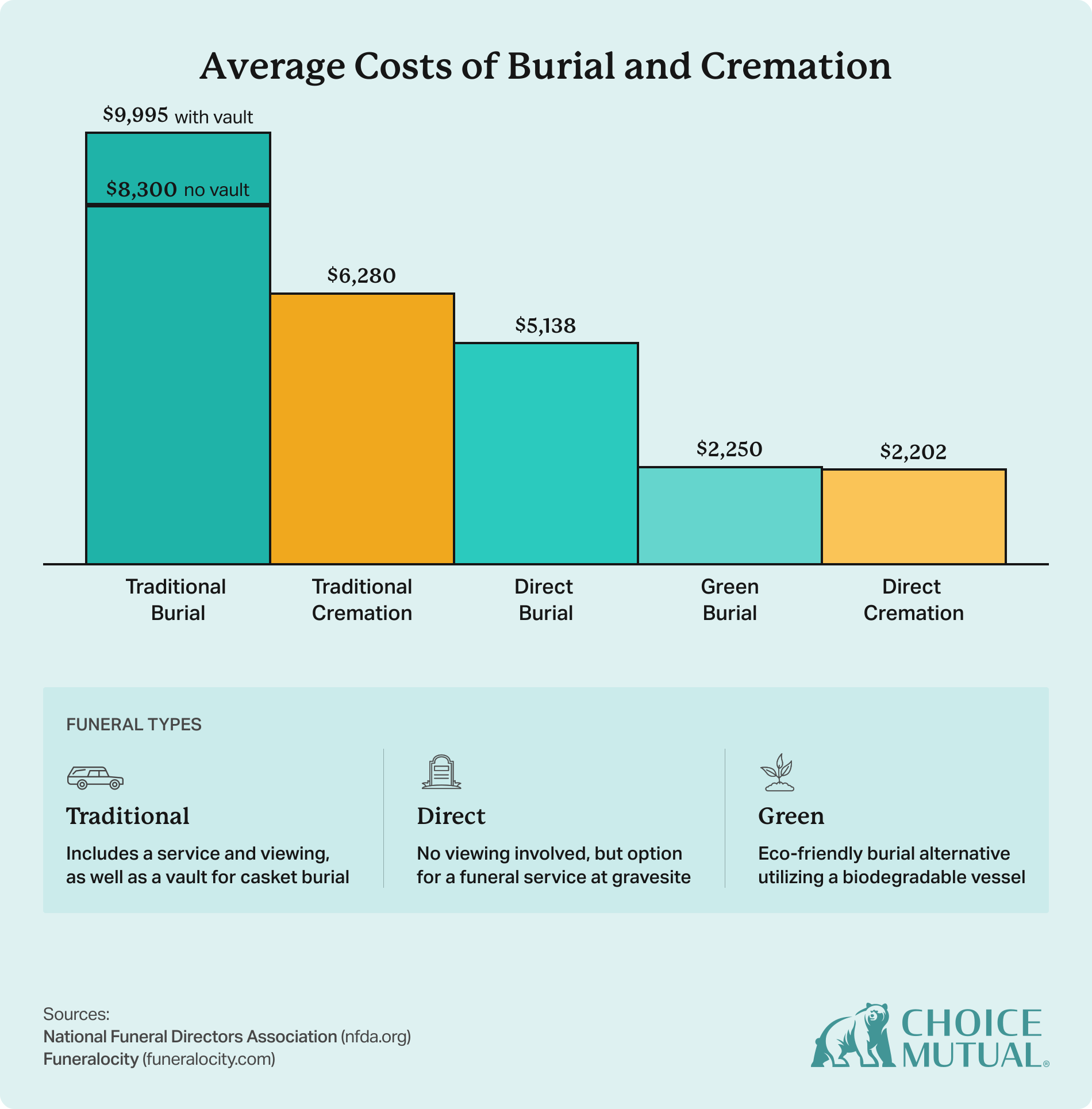
When it comes to making decisions about final arrangements, understanding cemetery costs is crucial. Here’s a quick comparison between traditional burials and cremations to help you plan effectively.
Traditional Burial Costs
- Cemetery Plot: The price of a burial plot can range significantly, typically between $1,000 to $4,000.
- Casket: This can cost anywhere from $2,000 to $10,000, depending on the material and design.
- Burial Fees: Expect to pay $1,500 to $3,000 for services, including transportation and setup.
Cremation Costs
- Cremation Fee: Generally lower, cremation costs about $500 to $3,000, depending on the service provider.
- urn: An urn can range from $50 to $2,500, depending on style and material.
Cost Comparison Table
| Expense | Traditional Burial | Cremation |
|---|---|---|
| Cemetery Plot | $1,000 – $4,000 | N/A |
| Casket | $2,000 – $10,000 | N/A |
| Burial/Fee Services | $1,500 – $3,000 | $500 – $3,000 |
| urn | N/A | $50 – $2,500 |
In summary, cremation tends to be more budget-friendly than traditional burial. Understanding these differences can help you make informed decisions and manage your cemetery costs effectively.
Budgeting for Cemetery Expenses: Tips and Strategies
Planning for cemetery costs requires careful budgeting and informed decision-making. Here are several effective tips and strategies to help you manage and anticipate these expenses:
- Research Costs: Investigate local cemetery options to understand pricing variations. Cemetery costs can vary significantly depending on location and services offered.
- Break Down Expenses: List potential costs such as:
- Plot purchase
- Cemetery maintenance fees
- Headstone and marker pricing
- Funeral services and transportation
- Consider All Options: Traditional burials often have higher cemetery costs than cremation. Explore both methods to find the best fit for your budget and preferences.
- Set a Budget Early: Establish a dedicated budget for cemetery expenses early, allowing time for savings or financial planning.
- Look for Packages: Some cemeteries offer bundled services which can reduce overall cemetery cost. Investigate these packages to maximize your savings.
By proactively planning and budgeting for cemetery costs, you can ensure that your loved ones receive a dignified farewell while safeguarding your financial wellbeing.

Planning for Future Costs: What to Consider
When planning for cemetery costs in 2026 and beyond, it’s crucial to consider several key factors. Making informed decisions now can ease the financial burden later. Keep the following points in mind:
- Location Matters: Cemetery costs vary significantly based on location. Urban areas generally have higher fees compared to rural regions.
- Type of Service: Traditional burials often incur higher cemetery costs, including plot fees and maintenance. In contrast, cremations typically present a more budget-friendly option.
- Future Price Increases: Anticipate that cemetery costs will rise over time. Research local trends and consider pre-purchasing burial plots to lock in current prices.
- Additional Expenses: Don’t overlook extra costs like headstones, memorial services, and maintenance fees. These can significantly impact your overall budget.
- Family Preferences: Discussing your family’s preferences can help align choices with emotional considerations and financial constraints.
By analyzing these factors, you can create a well-rounded plan that prepares you for future cemetery costs and relieves potential stress.
Resources for Further Information on Cemetery Costs
Gaining a clear understanding of cemetery costs can significantly aid in your planning. Here are some valuable resources to help you stay informed:
- Local Cemetery Guides: Most cemeteries provide brochures or websites that outline their pricing structures, including plots, burial fees, and maintenance costs.
- Industry Associations: Organizations like the International Cemetery, Cremation and Funeral Association offer detailed insights and reports on prevailing cemetery costs.
- Government Resources: Some local and state government websites compile data on cemetery regulations and pricing, which can offer guidance on what to expect in your area.
- Consumer Review Platforms: Websites like Yelp or Google Reviews can provide anecdotal evidence on costs from customers who have had experiences with specific cemeteries.
Furthermore, consider consulting with a funeral director who can provide personalized insights into the cemetery costs that may arise based on your specific needs. Keeping informed through these resources will ensure you’re equipped to make financial decisions related to cemetery expenses.
Frequently Asked Questions
What factors influence cemetery costs in 2026?
Cemetery costs in 2026 are influenced by a variety of factors including location, the type of burial (traditional burial vs. cremation), the standard of services offered, and demand in the area. Urban cemeteries tend to have higher costs due to land value, while rural cemeteries may be more affordable. Additionally, changes in prices for maintenance, memorialization services, and legal requirements also play a significant role in determining the overall costs.
How can I pre-plan and budget for cemetery expenses?
Pre-planning for cemetery expenses involves researching local cemeteries, understanding different types of burial options available, and getting itemized price lists. It’s essential to assess personal preferences and family traditions, which can heavily influence the selection and budgeting process. Creating a savings plan and considering funeral insurance can help ease financial burdens. Consulting with funeral directors can also provide invaluable insights to help establish a realistic budget.
What are the typical services included in cemetery costs?
Typical services included in cemetery costs may encompass the purchase of burial plots, maintenance fees for lasting care, and additional services such as grave markers and memorial artifacts. Expenses may also include opening and closing the grave, administrative fees, and various type of memorialization options like headstones. Some cemeteries may offer additional services, such as perpetual care funds that ensure long-term maintenance.
Are there any ongoing fees associated with owning a burial plot?
Yes, there can be ongoing fees associated with owning a burial plot. These may include maintenance or care fees that ensure the upkeep of the grounds surrounding the burial site. Additionally, some cemeteries require annual assessments that contribute to the overall care of the cemetery facilities, ensuring that the resting place remains serene and well-maintained. It’s crucial to inquire about these ongoing costs before purchasing a plot to avoid unexpected financial burdens.