The Tradition of Placing Grave Roses: A Beautiful Gesture of Remembrance

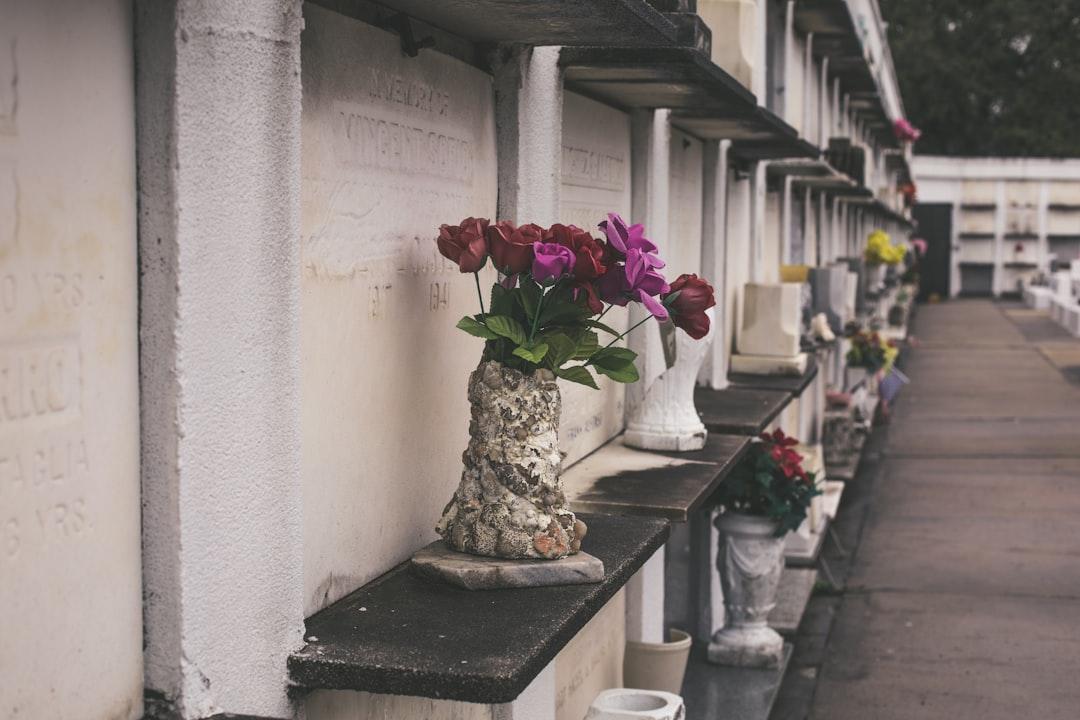

The tradition of placing grave roses embodies a powerful interplay of memory and mourning, serving as a poignant emblem of remembrance across diverse cultures. Historical analyses reveal that the practice of adorning graves with flowers, particularly roses, has deep-rooted significance in various commemoration rituals, reflecting societal values and emotional connections to the deceased. The multifaceted symbolism associated with grave roses often encapsulates expressions of love, loss, and healing, fostering a profound continuum of remembrance that transcends temporal boundaries. This exploration delves into the cultural variations and contemporary relevance of grave roses as enduring acts of tribute to those who have passed.
Historical Significance of Grave Roses in Commemoration Practices
Grave roses possess a profound historical significance, serving as poignant symbols in commemoration practices across various cultures. Initially, in ancient civilizations, individuals utilized flowers at burial sites to honor their deceased, considering them vessels for conveying respect and love. The rose, in particular, emerged as a dominant floral choice due to its multifaceted meanings—love, remembrance, and the transient nature of life.
- Ancient Practices: The Egyptians adorned tombs with roses, believing they would accompany the deceased into the afterlife.
- Medieval Europe: Moreover, during the Middle Ages, floral tributes including grave roses became prevalent among Christians, symbolizing the cycle of life and resurrection.
- Cultural Rituals: Various cultures adopted the practice of placing roses at graves, where these blooms acted as tangible links between the living and the departed.
Furthermore, the act of leaving grave roses evolved into a ritual that not only honors the deceased but also encourages the living to engage in reflection and healing. Thus, grave roses transcend mere ornamentation; they encapsulate centuries of tradition and emotional depth, reinforcing bonds between generations.

Cultural Variations in the Usage of Grave Flowers Across Societies
Grave roses embody a poignant symbol of remembrance, yet cultural practices surrounding their placement at burial sites can vary significantly across global societies. Each tradition reflects distinct beliefs and values associated with mourning and commemoration.
- Western Traditions: In many Western cultures, such as the United States and countries across Europe, grave roses often signify love and admiration for the deceased. Families typically opt for red roses to denote deep affection or white roses as symbols of purity.
- Asian Customs: Conversely, in several Asian cultures, such as in Japan, chrysanthemums serve as the predominant flower used in funerary rites, symbolizing death and rebirth. Grave roses may accompany these flowers, representing a blend of Western admiration and Eastern spirituality.
- Middle Eastern Practices: In various Middle Eastern societies, grave roses frequently appear alongside olive branches, epitomizing peace and tranquility. The combination underscores a belief in the eternal bond between the living and the departed.
Through these diverse cultural lenses, grave roses elucidate the universal human experience of loss while celebrating the unique ways communities honor their loved ones. Thus, they remain not merely decorative but deeply resonant emblems within the practices of remembrance.
Symbolism and Emotional Resonance Associated with Roses in Mourning
Roses, often regarded as symbols of love and beauty, hold profound significance in mourning rituals, particularly through the act of placing Grave Roses. This practice transcends mere aesthetics, embodying a complex tapestry of emotional resonance and symbolism.
- Love and Remembrance: Primarily, roses signify enduring love. When individuals place Grave Roses at a loved one’s final resting place, they articulate an enduring bond that persists beyond death.
- Diversity of Symbolism:
- Red Roses symbolize deep love and respect, often utilized for close relatives.
- White Roses evoke purity and innocence, typically paying homage to young lives lost.
- Yellow Roses, although often connected with friendship, can also signify the joyful memories shared with the deceased.
- Healing and Closure: The act of placing Grave Roses offers a conduit for emotional expression, facilitating healing for the bereaved. It allows individuals to articulate grief, celebrate life, and forge connections with their memories.
Essentially, Grave Roses serve as a poignant reminder that love and loss are intricately intertwined, providing solace and a means for ongoing remembrance.
Contemporary Perspectives on Grave Roses as Acts of Remembrance and Healing
In contemporary society, Grave Roses embody a profound yet multifaceted symbol of remembrance and healing. Individuals across various cultures erect floral tributes, particularly roses, as a mechanism to navigate the complexities of grief. This ritualistic act signifies a continuum of emotional connection, allowing the bereaved to express sentiments that transcend verbal articulation.
- Healing Through Ritual: Engaging with Grave Roses fosters emotional catharsis. The act of placing roses at a grave site becomes a meditative practice, encouraging reflection and the processing of loss.
- Visual Symbolism: The characteristics of roses—such as their vibrant hues and diverse varieties—further amplify their significance. For instance, red roses signify love, while white roses convey purity and innocence, thereby personalizing the act of remembrance.
- Community Engagement: Many contemporary memorial practices involve collective gatherings where individuals share stories and emotions connected to the deceased. Grave Roses serve as a focal point in these spaces, reinforcing communal bonds through shared grief.
Ultimately, Grave Roses integrate individual and collective mourning experiences, transforming loss into a shared narrative that honors those we have loved.

Frequently Asked Questions
What is the significance of placing roses on graves?
The act of placing roses on graves is imbued with profound symbolic resonance, serving as a tactile manifestation of remembrance and honor for the deceased. Roses, renowned for their beauty, typically convey emotions ranging from love to grief. The colors of the roses often carry distinct meanings; for instance, red roses symbolize enduring love, while white roses denote purity and innocence. This practice fosters personal catharsis and perpetuates the individual’s memory within the collective consciousness of the bereaved.
Are there specific colors of roses that are traditionally used for grave decoration?
Indeed, the selection of rose colors for grave decoration is not purely aesthetic; it is often laden with emotional significance. Red roses epitomize passionate love and respect, making them a common choice for memorialization. Conversely, white roses symbolize purity and reverence, often reflecting the angelic aspirations ascribed to the departed. Yellow roses can signify friendship and remembrance, while pink roses evoke grace and admiration. This thoughtful consideration of color enhances the act, imbuing it with additional layers of meaning pertinent to the relationship shared with the deceased.
How do different cultures interpret the tradition of placing flowers at graves?
The tradition of placing flowers, including roses, at graves manifests variably across diverse cultures, each ascribing unique meanings and rituals to the act. In many Western cultures, flowers symbolize respect, love, and the cyclical nature of life and death, acting as a means to create a visible connection between the living and the departed. In contrast, in certain Eastern traditions, such as those observed in some Buddhist practices, the use of flowers extends to offerings that signify impermanence and the importance of mindful remembrance. This cultural plurality enriches the tradition, allowing it to serve as a unifying ritual of remembrance across global societies.
What is the historical origin of placing flowers on graves?
The historical origins of placing flowers on graves can be traced back to ancient civilizations, where floral offerings were made to appease spirits and commemorated the dead. For instance, the ancient Egyptians adorned tombs with flowers and greenery, serving both decorative and spiritual purposes; similarly, ancient Greeks and Romans offered flowers in tribute during funerary rites. Over centuries, this practice evolved, becoming ritualized in various religions and cultures. The enduring custom of placing flowers, particularly roses, speaks to a universal human inclination to honor those lost, reflecting a profound need to affirm life amidst the realities of mortality.