Exploring Different Types of Urns for Ashes: Which One Suits Your Needs?


The selection of an urn is a profoundly significant decision, embodying both cultural and personal dimensions that reflect historical practices surrounding death and remembrance. As society increasingly embraces diverse forms of memorialization, understanding the various types of urns becomes essential to honor the deceased while catering to individual preferences. Different materials, designs, and personalization options afford families the opportunity to choose an urn that resonates with their emotional needs, making the act of selection a poignant expression of love and remembrance. Through this exploration, one can ascertain which urn best aligns with their unique circumstances and values.
An Overview of urn Types and Their Historical Significance
Understanding the various types of urns and their historical contexts provides profound insight into their enduring significance in memorial practices. Traditionally, urns have served both functional and symbolic roles across cultures, encapsulating the essence of what it means to honor a loved one.
Common Types of Urns
- Traditional Urns: Crafted from ceramic or metal, these vessels often feature classical designs, signifying permanence and reverence.
- Scattering Urns: These are designed specifically for the scattering of ashes, typically featuring a more open structure, symbolizing freedom and release.
- Biodegradable Urns: Created from eco-friendly materials, these urns cater to environmentally conscious individuals, with the intention of returning the ashes to the earth.
Historical Significance
- Cultural Practices: In ancient civilizations, such as the Egyptians and Greeks, urns held the ashes of the deceased, reflecting beliefs in the afterlife.
- Artistic Expression: Many urns showcase exquisite craftsmanship, often serving as artifacts that narrate the artistic sensibilities of their time.
By exploring these dimensions, one can appreciate the multifaceted nature of the urn not merely as a container, but as a poignant symbol of remembrance and legacy.

Factors to Consider When Choosing an urn for Ashes
Selecting an appropriate urn for ashes entails a thoughtful examination of several critical factors to ensure reverence and meaning in the memorialization process. The following elements merit consideration:
- Size and Capacity: An urn must accommodate the total weight of remains, typically one cubic inch per pound of the deceased. Ensure the urn’s dimensions suit your needs, especially for shared space in a columbarium or at home.
- Material: Various materials, such as wood, metal, ceramic, or biodegradable substances, influence not only the urn’s aesthetics but also its longevity and care requirements. Metal urns offer durability, while biodegradable urns emphasize ecological considerations.
- Style and Design: The urn’s aesthetic can reflect the personality of the departed. Opt for traditional designs or contemporary styles based on individual preferences, thereby allowing for an expression of identity.
- Purpose: Determine if the urn serves as a final resting place, a keepsake, or for scattering ashes. The intended use may dictate specific types of urns, such as those designed for outdoor dispersion versus indoor display.
- Cost: Urns vary widely in price; budget considerations will guide the selection process without compromising on significance.
By meticulously evaluating these factors, families can choose an urn that resonates meaningfully, honoring their loved one’s memory with dignity.
Materials and Their Impact on urn Selection
The selection of an appropriate urn is significantly influenced by the material from which it is crafted. Each material offers distinct advantages and limitations, therefore, understanding these can aid in making an informed decision. Key materials commonly utilized in urn production include:
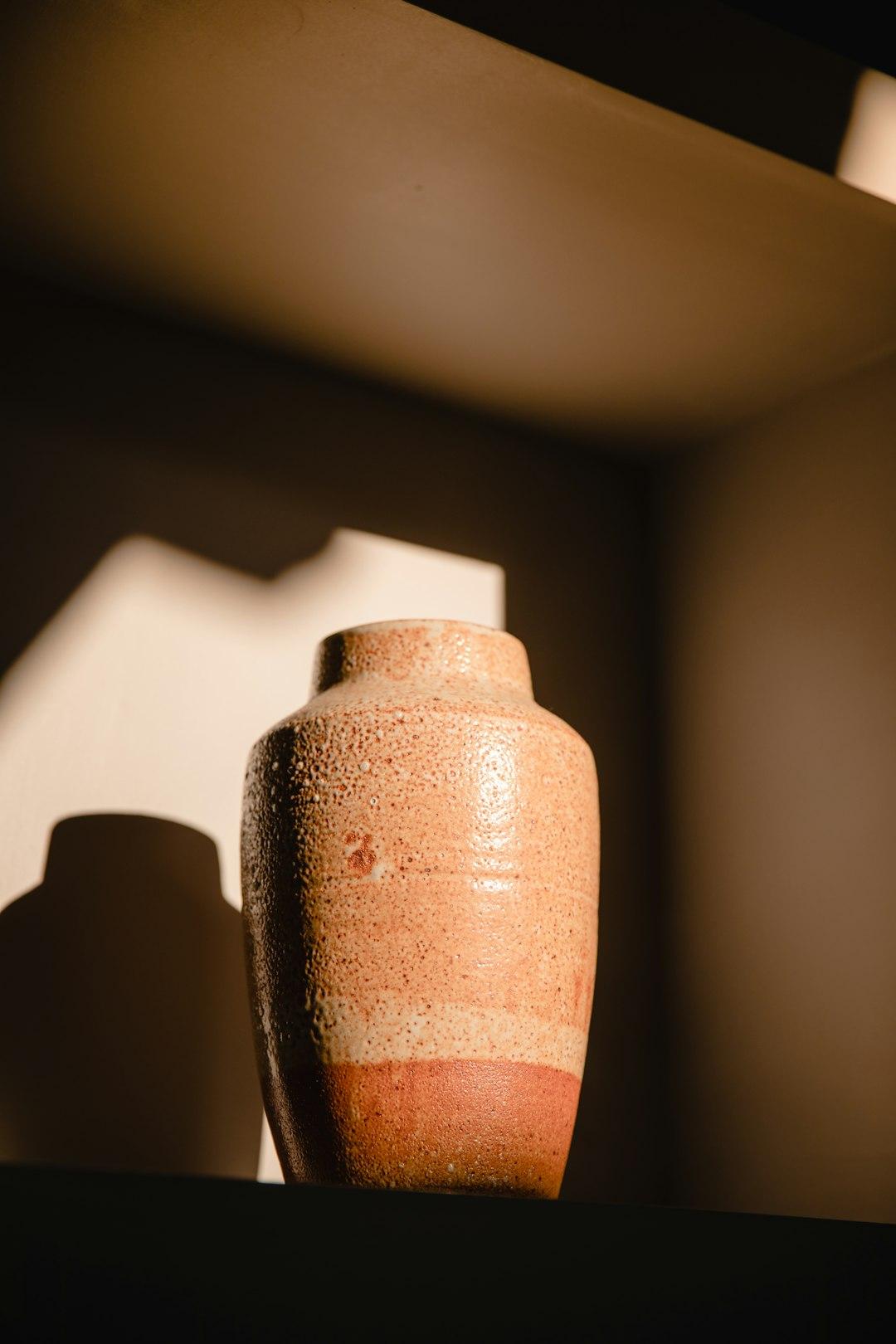
- Ceramic: Famed for its aesthetic appeal, ceramic urns come in various glazes and designs. However, their fragility can be a drawback.
- Metal: Materials such as stainless steel and bronze provide durability and resistance to corrosion. Their long-lasting nature makes them ideal for outdoor settings.
- Wood: Wooden urns evoke warmth and can reflect a personal touch through various wood types. Conversely, they may be less durable in moist environments.
- Biodegradable: Innovative urns, crafted from materials like paper or natural fibers, serve as eco-friendly options. They decompose over time, making them suitable for environmentally-conscious individuals.
| Material | Aesthetics | Durability | Eco-Friendliness |
|---|---|---|---|
| Ceramic | High | Moderate | Low |
| Metal | Moderate to High | High | Low |
| Wood | High | Moderate | Variable |
| Biodegradable | Moderate | Low | High |
Choosing the right urn material can profoundly affect both the preservation of ashes and the emotional resonance for those left behind. Ultimately, individuals should consider their own values and the intended purpose of the urn when making this significant selection.
Personalization Options and Their Emotional Implications
The process of selecting an urn transcends mere functionality; it embodies a deeply personal endeavor laden with emotional resonance. Personalization imbues the urn with unique significance, transforming it into a cherished keepsake. Several options exist, each carrying distinct emotional implications:
- Engraving Names and Dates: This option not only honors the deceased but also fosters a sense of connection. Personal engravings serve as a poignant reminder of shared memories and legacies.
- Themed Designs: Choosing an urn that reflects a person’s hobbies, beliefs, or passions can encapsulate their essence. For instance, a musician might prefer an urn adorned with musical notes, enhancing the emotional connection to their identity.
- Biodegradable Options: Some may opt for eco-friendly urns, emphasizing a final connection to nature. Such choices denote a commitment to environmental stewardship, resonating with the values of the deceased and the bereaved.
In summary, the personalization of the urn not only honors the memory of the deceased but also serves as a profound source of comfort for the bereaved, bridging the gap between loss and remembrance.
Frequently Asked Questions
What are the primary types of urns for ashes available in the market?
Urns for ashes are predominantly categorized into several types based on their materials, designs, and intended purposes. Common types include traditional cremation urns, which are typically made of ceramic, metal, or biodegradable materials, and are used for permanent storage of ashes. Companion urns, designed to hold the remains of two individuals, are also prevalent, symbolizing lifelong companionship. Furthermore, keepsake urns, smaller in size, serve the purpose of holding a portion of the ashes for memorialization. Lastly, decorative or artistic urns incorporate aesthetic elements, allowing for a personal touch that reflects the personality or preferences of the deceased.
How do I choose the right urn for my loved one’s ashes?
Selecting the appropriate urn for a deceased loved one entails a multifaceted approach, considering both practical and emotional factors. Initially, one must ascertain the volume of ashes to be accommodated, as the capacity (often measured in cubic inches) varies significantly among urns. Following this, emotional resonance plays a crucial role; the urn should reflect the individuality and passions of the deceased, whether through material selection, design, or symbolism. Additionally, contemplating the urn’s final placement—be it an honorary display at home, burial in a cemetery, or scattering at a meaningful location—can further guide the decision-making process. Engaging in discussions with family members may facilitate a collaborative choice that honors the memory of the departed.
Can urns be personalized, and what options are available for customization?
Personalization of urns has become increasingly prevalent as families seek to commemorate their loved ones in unique and meaningful ways. Customization options often include engraving names, dates, or personal messages on the surface of the urn, thereby providing a tangible connection to the deceased. Additionally, families may choose to incorporate photographs, incorporating both visual and emotional memories. Some urn manufacturers offer the ability to select materials and colors that resonate with the individual’s life or passions. For those inclined towards artistic expressions, custom shapes reflecting hobbies or interests, such as sports or nature, are also available. Such personalized urns serve not only as a container for remains but also as a lasting tribute.
What factors should be considered when deciding between biodegradable and traditional urns?
When deliberating the choice between biodegradable and traditional urns, several critical factors emerge that warrant careful consideration. Initially, the environmental impact is paramount; biodegradable urns are crafted from sustainable materials, designed to decompose naturally, thus minimizing ecological footprints, aligning with contemporary values of sustainability. Conversely, traditional urns, often made from metals or ceramics, provide enduring preservation but may raise concerns regarding environmental sustainability. Secondly, the intended final resting place of the urn should influence the decision; biodegradable urns are especially suited for natural burials or scattering in water, promoting both remembrance and return to nature. Lastly, emotional connections and personal beliefs may steer one’s choice, as some individuals desire a lasting memorial, while others wish to embrace the cycle of nature through more transient memorialization.