Exploring Funeral Costs by City in 2026: What to Expect

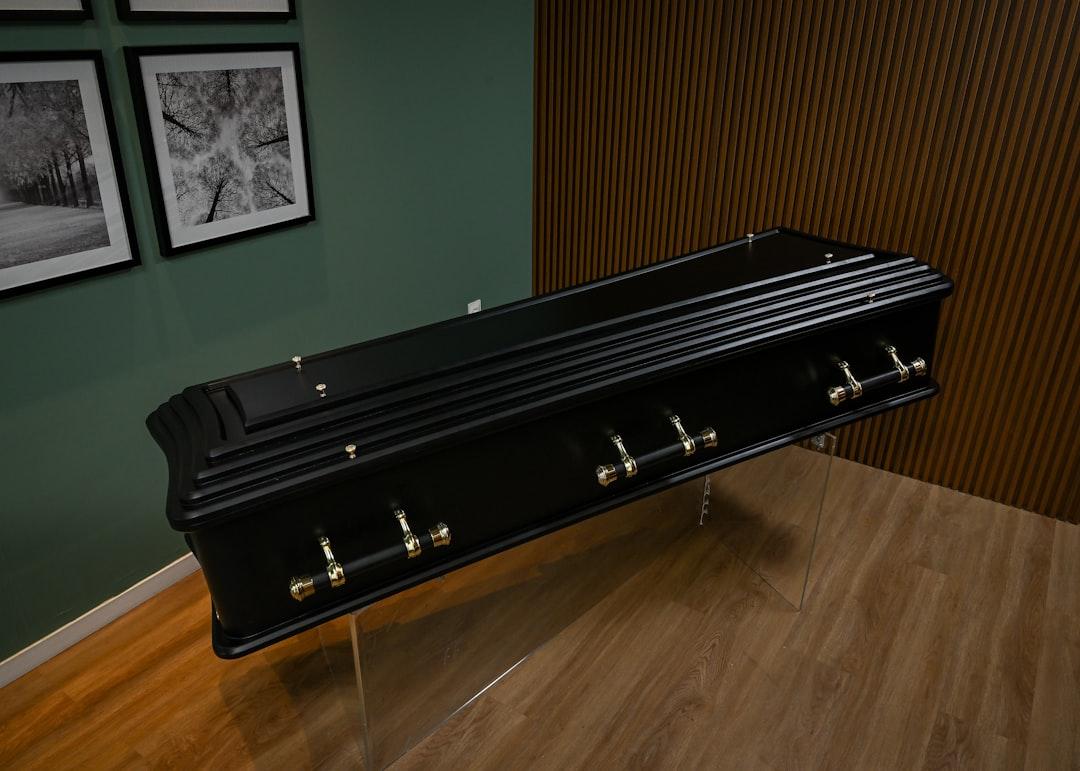

As we approach 2026, understanding the variations in funeral costs is more crucial than ever. Factors such as location, services offered, and market trends significantly influence the expenses incurred. This comprehensive guide will delve into the nuances of funeral cost by city 2026, providing valuable insights into what families can expect when navigating these challenging decisions. By examining city-specific pricing and emerging trends, individuals will be better equipped to plan and budget for end-of-life services.
Understanding Funeral Costs: An Overview
Funeral costs can vary significantly due to various factors such as location, service types, and personal preferences. In 2026, understanding these costs will be crucial for effective planning. Here’s a breakdown of key elements that influence the overall expenses:
- Basic Services: This includes the funeral home’s fee, which covers the essential services provided, including staff and facilities.
- Casket and Vault: Costs for caskets can range widely based on material and design, while burial vaults may add additional expenses.
- Transportation: Local transport of the deceased to the funeral home and from the funeral service to the cemetery incurs costs that differ by city.
- Viewing and Service: The costs for conducting a viewing, memorial service, or graveside gathering can affect the overall price.
- Disposition Method: Whether it is burial or cremation alters the costs significantly. Cremation may generally offer a less expensive alternative.
To illustrate the differences, consider the Funeral Cost by City 2026. Major urban areas typically indicate higher costs due to demand, whereas smaller towns may offer more affordable options. Understanding these variations helps individuals budget effectively and make informed decisions for their loved ones.
Focusing on key aspects, families can better prepare themselves financially for the impending costs associated with funerals in 2026.

Factors Influencing Funeral Prices
Understanding the funeral cost by city 2026 requires an exploration of various influencing factors that shape these expenses. Here are the primary elements to consider:
- Location: Funeral costs may vary widely depending on geographic location. Cities with higher living costs, like New York or San Francisco, usually demand more substantial funeral price tags. For instance, urban areas often charge 20%-30% more than rural counterparts.
- Services Offered: The type and extent of services chosen impact overall costs significantly. Key components include:
- Basic services (funeral home fees)
- Casket or urn selection
- Transportation
- Memorial services
- Aftercare services
- Customization: Personalized services, such as themed funerals or custom memorial items, typically incur additional charges. Customization can add an average of $1,000 to $5,000 to overall expenses.
- Regulations: State and local regulations may dictate specific costs, such as those governing burial permits or transportation fees, impacting the total funeral cost by city 2026.
- Supplier Pricing: Different funeral homes and service providers set their fees, leading to pricing discrepancies. Engaging in comparative shopping can save families a significant amount of money.
Considering these factors when planning for a funeral can help individuals and families better prepare for the funeral cost by city 2026 and make informed decisions.
City-Specific Funeral Cost Comparisons
When planning a funeral, understanding the Funeral Cost by City 2026 proves essential. Costs can vary significantly based on location, influenced by regional demographics, local traditions, and economic factors. Here’s a comparison of average funeral expenses across several major cities to help you anticipate potential costs:
| City | Average Funeral Cost | Cremation Option | Burial Option |
|---|---|---|---|
| New York, NY | $15,000 | $7,500 | $22,000 |
| Los Angeles, CA | $12,000 | $6,800 | $18,000 |
| Chicago, IL | $10,000 | $5,500 | $15,000 |
| Houston, TX | $9,000 | $4,700 | $12,500 |
| Miami, FL | $10,500 | $6,000 | $16,000 |
As highlighted, Funeral Cost by City 2026 varies greatly. For example, New York consistently ranks at the top with costs exceeding $15,000, significantly higher than the national average. Conversely, cities like Houston and Chicago offer more affordable options, particularly for cremation.
Understanding these city-specific costs allows families to make informed decisions and budget accordingly. Additionally, it’s essential to consider any local regulations, traditions, and available services that may also affect pricing when planning for a funeral.
Average Funeral Expenses in Major Cities
In 2026, average funeral expenses vary significantly across different cities, reflecting regional economic conditions and cultural practices. Understanding these costs allows families to plan better for the inevitable. Here’s a breakdown of average funeral costs in some major metropolitan areas:
| City | Average Funeral Cost |
|---|---|
| New York City | $12,000 |
| Los Angeles | $10,500 |
| Chicago | $9,500 |
| Houston | $8,000 |
| Miami | $7,500 |
| Seattle | $11,000 |
As this table illustrates, New York City stands out with the highest average at $12,000, largely due to higher living costs and service demands. Conversely, Miami offers the most affordable option with an average of $7,500.
Several factors contribute to the disparities in these prices, such as:
- Local regulations affecting funeral home operations.
- Cost of living impacting service prices.
- Cultural influences dictating the nature and complexity of funeral services.
As we approach 2026, keeping abreast of the Funeral Cost by City 2026 data can help families engage in informed planning and budgeting, ensuring that they can pay tribute without financial strain.

Emerging Trends in Funeral Costs for 2026
As we look ahead to 2026, several emerging trends are likely to shape Funeral Cost by City 2026. Understanding these trends can help families make informed decisions while planning ceremonies for their loved ones. Here are some notable developments:
- Eco-Friendly Options: There’s a growing shift towards green funerals, which often lower costs while promoting environmental sustainability. Natural burials, biodegradable caskets, and minimal embalming practices are becoming popular for this reason.
- Digital Services: The rise of technology significantly impacts funeral costs. Online memorials and live-streamed services reduce venue needs and associated expenses. Expect a rise in packages that bundle these digital options at lower rates.
- Personalization: Families increasingly seek tailored experiences, leading to varied pricing. Custom services, while potentially higher in cost, allow for unique commemorations that can reflect a loved one’s personality.
- Pre-Planning Services: More individuals are opting for pre-need arrangements, especially in urban centers. This trend helps lock in prices and avoid inflationary surges in Funeral Cost by City 2026 during tough times.
In conclusion, staying aware of these emerging trends empowers individuals and families to anticipate changes in funeral planning, helping to establish a budget that aligns with evolving practices and expectations.
Financial Assistance and Insurance Options
Navigating the complexities of funeral expenses can be daunting, especially with the variability in Funeral Cost by City 2026. However, several financial assistance options and insurance plans can help families manage these costs effectively.
1. Funeral Insurance
Funeral insurance, also known as burial insurance, is designed to cover end-of-life expenses. By opting for this type of policy, individuals can pre-plan their funeral costs and alleviate financial stress on their loved ones.
2. Government Assistance
Many cities provide assistance programs for low-income families facing unexpected funeral costs. Some programs may cover:
- A portion of the funeral expenses
- Cremation costs
- Related burial services
3. Charitable Organizations
Numerous nonprofits and religious organizations offer financial aid for funeral services. These organizations aim to support families in crisis, providing funds or services at reduced rates.
4. Payment Plans
Many funeral homes offer flexible payment arrangements. Families can spread out costs over time, making the overall financial burden easier to manage.
5. Government Programs
Local government agencies often have programs that may help with funeral costs. It’s essential to research what might be available in your area.
By understanding these financial assistance and insurance options, families can make informed decisions to ensure a dignified farewell without experiencing overwhelming financial strain, especially considering the projected Funeral Cost by City 2026.
Planning Ahead: Budgeting for Funeral Expenses
Planning ahead for funeral expenses is crucial, especially when examining the projected Funeral Cost by City 2026. By budgeting early, individuals can alleviate financial stress during an already challenging time. Here are key considerations for effective budgeting:
- Research Local Costs: Begin by referencing average funeral costs in your city. Understanding the Funeral Cost by City 2026 can guide your budget effectively.
- Account for Variability: Funeral costs can fluctuate based on factors like location, service type, and personalization options. Thus, it’s wise to look at a range of potential expenses.
- Essential Items Detail: Typically, funeral costs include:
- Basic service fees
- Casket or urn costs
- Transportation fees
- Burial or cremation charges
- Memorial service expenses
- Set Aside Emergency Funds: Allocate additional funds for unexpected costs that may arise during the funeral planning process.
- Consider Prepayments or Insurance: Funeral insurance policies or prearranging services can lock in prices, mitigating the impact of rising costs, as seen in the Funeral Cost by City 2026 projections.
Overall, by starting the budget early and being informed, you can feel more prepared and confident in managing future funeral expenses.

Frequently Asked Questions
What factors determine funeral costs by city in 2026?
In 2026, funeral costs will be influenced by several factors, including geographical location, local demand for funeral services, the availability of funeral homes, and regional economic conditions. For example, urban areas may experience higher costs due to increased demand and overhead expenses, while rural areas may have lower prices. Additionally, the types of services chosen, such as cremation versus burial, the choice of caskets, and any additional memorial services will also significantly impact overall costs.
How can I find the average funeral cost in my city?
To find the average funeral cost in your city for 2026, you can start by researching online resources that provide data on funeral expenses by location. Websites that specialize in funeral planning often compile and update regional price lists. Alternatively, you can contact local funeral homes directly to request their general pricing information or utilize consumer reports that cite averages across different cities and states.
What are some ways to reduce funeral costs in 2026?
Reducing funeral costs in 2026 can be achieved by considering options such as pre-planning arrangements, opting for direct cremation, or choosing a basic service package from a funeral home. Families can also save money by handling aspects of the service themselves, such as organizing flowers or catering. Researching and comparing prices among different providers and making use of public transportation for the remains can further assist in keeping costs down.
Are there any hidden costs associated with funerals that I should be aware of?
Yes, there can be hidden costs associated with funerals that families may overlook. In 2026, apart from the base price of services and products, look out for fees related to transportation, preparation of remains, permits, and additional charges for staff or equipment as well as obituary notices. Families should request a detailed breakdown of all potential costs from funeral providers to avoid unexpected expenses.
What trends in funeral services are expected in 2026 that may affect costs?
In 2026, trends such as increased personalization of funeral services, a shift towards eco-friendly burial options, and digital memorials are anticipated to impact funeral costs. As more people opt for unique, customized services that reflect the deceased’s personality, pricing may rise. Eco-friendly practices, such as biodegradable caskets and green burials, while sometimes more costly upfront, may offer long-term savings in conventional burial costs.