Grave Plot Prices: How to Budget for Your Final Resting Place

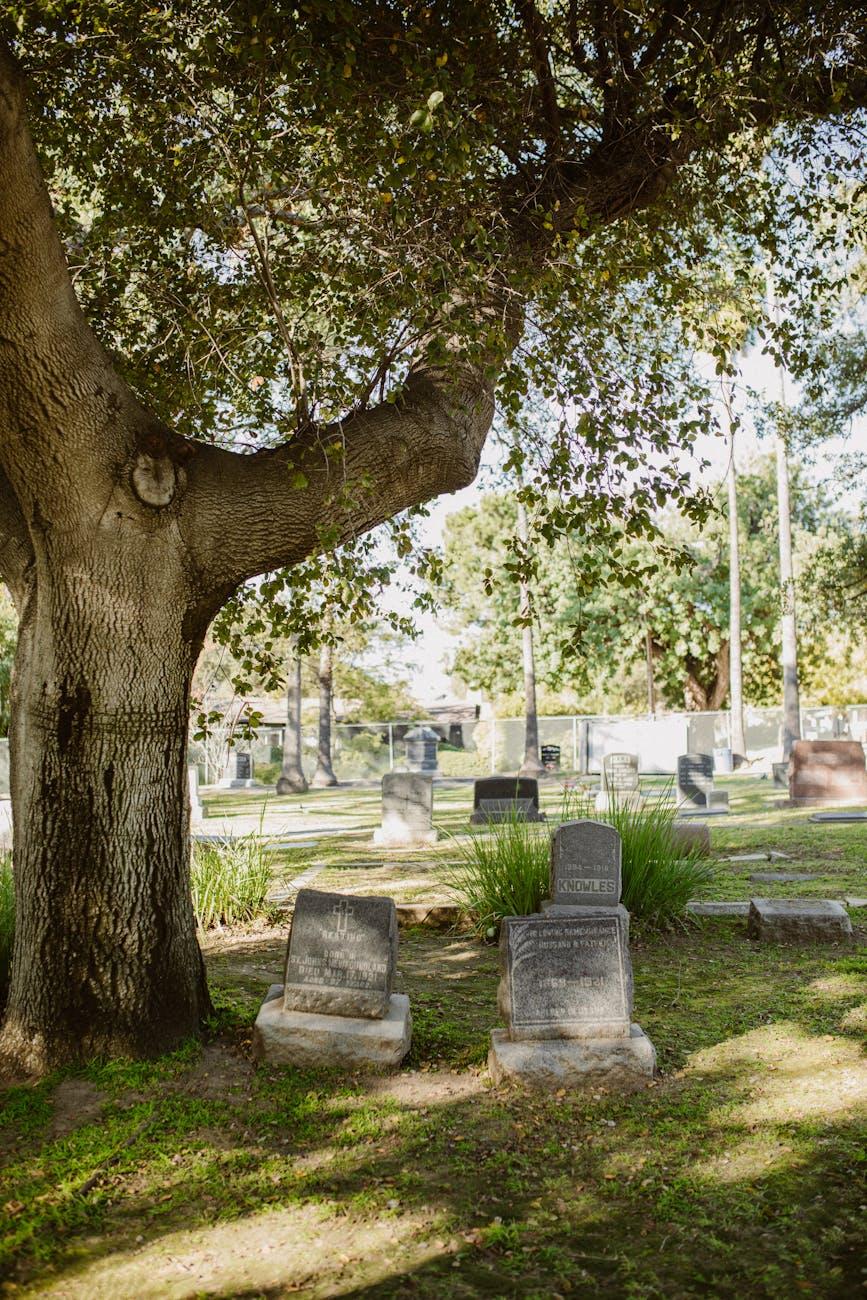

Navigating grave plot prices can be a daunting task, yet it is vital for making informed decisions regarding your final resting place. Understanding the various factors influencing these costs, such as location, cemetery type, and plot size, is essential in budgeting effectively. This guide seeks to illuminate the intricacies of these expenses, offering insights on how to prepare for both expected and unexpected fees while comparing different cemetery options. By planning thoughtfully, you can ensure a dignified and respectful resting place that aligns with your financial situation.
Understanding Grave Plot Prices
When it comes to planning for a final resting place, understanding grave plot prices is essential. Prices can vary significantly based on several key factors, including location, type of cemetery, and specific plot features. Here’s an overview:
- Location: Urban cemeteries tend to have higher grave plot prices compared to rural areas.
- Type of Cemetery: Private cemeteries generally charge more than public options.
- Plot Features: Standard plots may cost less than those that allow for additional memorial features, such as larger headstones or landscaping.
Average Price Range
| Cemetery Type | Price Range |
|---|---|
| Public Cemetery | $500 – $5,000 |
| Private Cemetery | $1,000 – $10,000 |
| Family Plot | $4,000 – $20,000+ |
As seen in the table above, the grave plot prices can drastically change depending on various aspects. Hence, researching your options is crucial for budgeting effectively. Understanding these dynamics can empower you to make informed choices for a dignified and cost-effective resting place.

Factors Influencing Grave Plot Costs
When considering grave plot prices, several factors come into play that can significantly impact your budget. Understanding these variables enables you to make a well-informed decision regarding your final resting place.
- Location: Cemetery plots in urban areas typically command higher prices due to limited availability and high demand.
- Cemetery Type: Private cemeteries often charge more than public ones, as they may provide additional services and amenities.
- Plot Size and Type: Standard plots usually cost less than premium plots, such as those designed for family interment or scenic views.
- Perpetual Care: Some cemeteries include ongoing maintenance in the plot price, while others may offer it as an optional service for an additional fee.
- Regulations and Fees: Local laws may impose additional costs for services like opening and closing the grave or specific burial requirements.
To ensure you’re making the best choice, it’s essential to compare grave plot prices across various cemeteries and weigh these factors against your budget. This approach will facilitate a more manageable financial plan for your future needs.
Comparing Cemetery Options
When planning for your final resting place, comparing cemetery options is essential to understanding the wide range of grave plot prices. Each cemetery varies in terms of location, amenities, and overall services, which can significantly influence costs. Here are key factors to consider when comparing:
- Location: Urban cemeteries often have higher grave plot prices due to demand, while rural areas may offer more affordable options.
- Cemetery Type:
- Traditional burial grounds tend to have varying prices depending on the plot’s proximity to pathways or historical significance.
- Cremation gardens usually feature lower grave plot prices, appealing to those seeking eco-friendly burial methods.
- Amenities: Some cemeteries provide a more extensive array of services, such as maintenance, landscaping, and memorial options, affecting overall pricing.
Comparison Table of Cemetery Types and Expected Grave Plot Prices:
| Cemetery Type | Average Grave Plot Prices |
|---|---|
| Traditional Burial | $1,000 – $3,000 |
| Cremation Garden | $500 – $1,500 |
| Religious Cemeteries | $750 – $2,500 |
| Green Cemeteries | $600 – $1,800 |
By thoroughly comparing these options, you can make an informed decision that aligns with your budget while honoring your wishes.
Budgeting for Additional Fees
Planning for grave plot prices involves more than just the initial cost of the plot itself. Understanding and budgeting for possible additional fees will help you avoid unexpected financial burdens. Here are some fees to consider:
- Cemetery Maintenance Fees: Some cemeteries charge ongoing maintenance fees that cover landscaping and upkeep.
- Opening and Closing Fees: This fee is applicable for the digging and filling of the grave.
- Marker and Monument Costs: Engraving a headstone or installing a monument incurs additional charges.
- Transfer Fees: If you need to transfer a plot to another person, be aware that some cemeteries charge a transfer fee.
Comparison of Potential Additional Fees
| Fee Type | Estimated Cost Range |
|---|---|
| Cemetery Maintenance Fee | $100 – $300 annually |
| Opening and Closing Fee | $500 – $1,500 |
| Marker/Monument Costs | $1,000 – $3,000 |
| Transfer Fees | $200 – $1,000 |
In summary, when considering grave plot prices, always factor in these additional costs. By budgeting adequately, you will ensure a smooth process during a difficult time.

Planning for Future Considerations
When budgeting for grave plot prices, it’s essential to consider future needs and potential changes in your plans. This foresight can help you avoid unexpected expenses down the line. Here are several critical factors to keep in mind:
- Price Fluctuations: Grave plot prices can vary over time based on demand and location. Investing in a plot sooner rather than later may secure a better rate.
- Maintenance Fees: Cemeteries may charge annual or one-time maintenance fees. Confirm these costs and incorporate them into your budget.
- Future Family Needs: If you plan to accommodate family members in the same plot, ensure the space allows for this. This consideration can save you additional costs later.
- Perpetual Care Plans: Some cemeteries offer perpetual care, ensuring ongoing upkeep of the gravesite. While this may increase upfront costs, it can alleviate concerns in the future.
By comprehensively evaluating these aspects, you can effectively plan for grave plot prices and secure your chosen resting place without financial stress.
Frequently Asked Questions
What factors determine the price of a grave plot?
The price of a grave plot can vary significantly based on several factors. Key elements include the location of the cemetery, as urban areas tend to have higher prices due to demand and limited space. Additionally, the size of the plot, its proximity to other graves or landmarks, and the reputation of the cemetery can also play a crucial role in determining costs. Seasonal fluctuations and market trends may further influence prices, making it essential to research comprehensively for accurate budgeting.
What are the recurring costs associated with a grave plot?
Owning a grave plot entails not just the initial purchase cost but also several recurring expenses. These typically include maintenance fees charged by the cemetery for upkeep, which may cover landscaping, sanitation, and security of the site. Furthermore, families may incur additional costs for markers or headstones, memorial services, and flowers. It’s advisable to inquire about all possible ongoing charges during the purchasing process to establish a complete financial picture and prepare for future expenses.
Can grave plot prices vary based on the type of burial?
Yes, the type of burial you choose can significantly impact the cost of a grave plot. Traditional in-ground burials usually require a larger plot and may involve additional expenses such as vaults or liners, which can increase the price. Alternatively, options such as cremation plots or columbarium niches tend to be more affordable due to their smaller size and differing maintenance needs. Therefore, understanding the specific burial method and its associated costs is crucial for budget planning.
Are there financing options available for purchasing a grave plot?
Many cemeteries and funeral homes recognize the financial burden that can come with purchasing a grave plot and may offer financing options. These can include payment plans that allow you to pay off the plot over time rather than in a lump sum. Additionally, some communities might have assistance programs or subsidies for families in need. It’s recommended to directly inquire with the cemetery or funeral provider about any available financing options to ease the financial impact and facilitate planning.