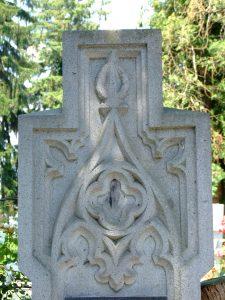
Tombstone Carvings: Adding Personal Touches

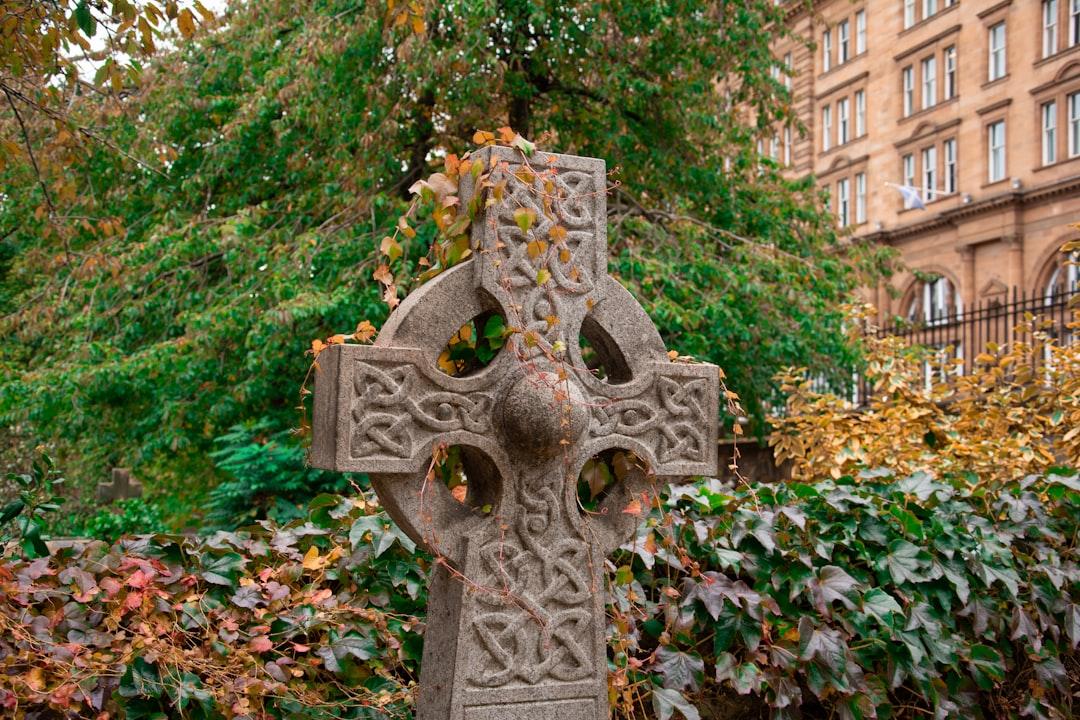

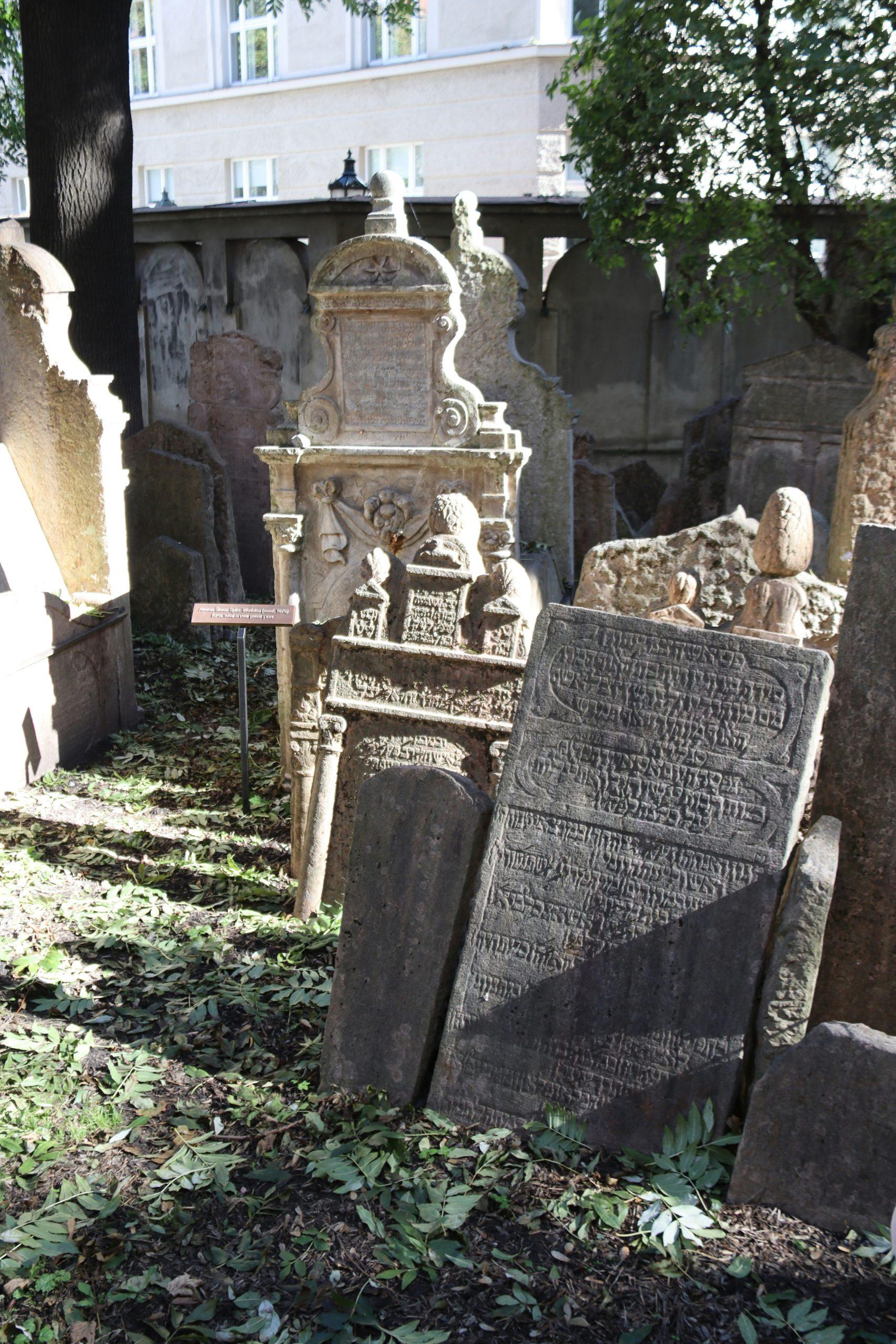
Tombstone carvings are a poignant way to honor and remember loved ones, carrying rich historical significance and personal meaning. From ancient rituals to contemporary practices, these intricate designs serve not only as markers but as representations of individual lives. Understanding the various types of tombstone carvings and their meanings can help you make thoughtful choices that reflect the deceased’s personality and legacy. As we delve deeper into the art of tombstone carvings, we will explore how to select appropriate personal touches and ensure their lasting beauty.
Understanding the History of Tombstone Carvings
Tombstone carvings have a rich history that dates back thousands of years. These intricate designs reveal stories about the deceased, their lives, and the cultural practices of their time. Here’s a brief overview of how tombstone carvings have evolved:
- Ancient Beginnings: The earliest tombstones emerged in ancient civilizations such as Egypt and Mesopotamia, where elaborate carvings depicted the deceased’s achievements and beliefs.
- Symbolism: Over time, tombstone carvings grew to include symbols reflecting the individual’s profession, faith, or character. For instance, an anchor might signify hope, while a book could represent a love for knowledge.
- Renaissance Influence: During the Renaissance, art flourished, influencing tombstone designs. Craftsmen began to incorporate detailed imagery and inscriptions, making tombstone carvings an art form.
- Modern Era: Today, tombstone carvings continue to evolve. While traditional motifs persist, contemporary designs often include personal elements, such as photographs or quotes.
Ultimately, understanding the history of tombstone carvings enriches our appreciation for these memorials, allowing us to connect with the legacies they represent.
Types of Tombstone Carvings and Their Meanings
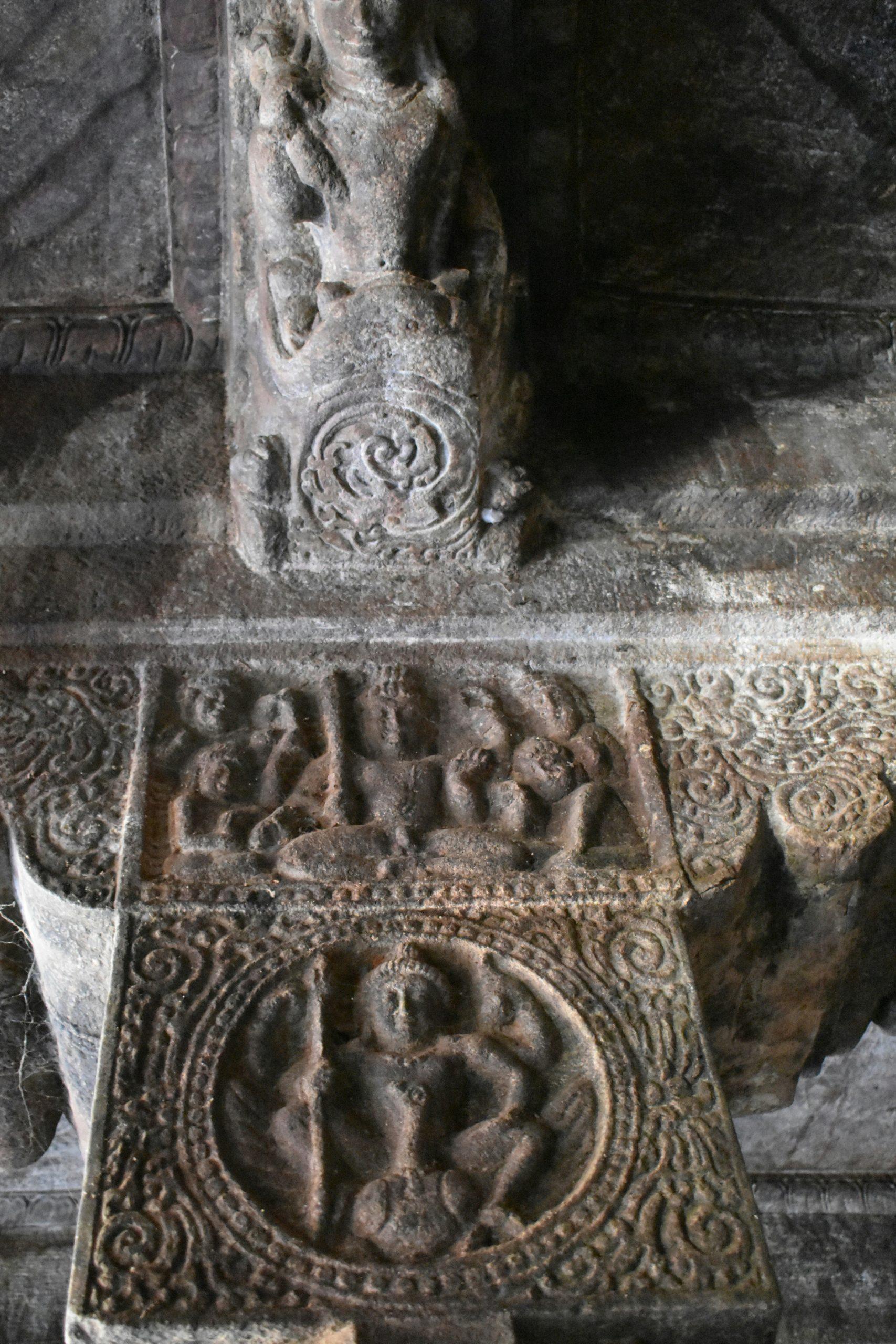
Tombstone carvings serve as unique expressions of love and remembrance, encapsulating the essence of the deceased. These intricate designs can convey deep meanings and personal sentiments. Here are some common types of tombstone carvings and their significance:
- Angels: Often symbolize protection and guidance, angel carvings convey a sense of comfort for the grieving.
- Crosses: Represent faith and hope, crosses signify the spiritual journey of the departed.
- Floral Designs: Flowers symbolize beauty and life. Different flowers can represent various emotions; for instance, roses symbolize love.
- Books: Often seen on gravestones of scholars or writers, books signify knowledge and wisdom passed on.
- Doves: Representing peace and purity, dove carvings emphasize the soul’s freedom.
| Carving Type | Symbolic Meaning |
|---|---|
| Angels | Protection and guidance |
| Crosses | Faith and hope |
| Floral Designs | Beauty and emotion |
| Books | Knowledge and wisdom |
| Doves | Peace and purity |
By selecting meaningful tombstone carvings, you can create a lasting tribute that honors your loved one’s memory.
Choosing the Right Personal Touches for Carvings
Selecting personal touches for tombstone carvings is an essential way to honor the deceased. These customizations create unique tributes that reflect individual personalities and legacies. Here are some factors to consider when making your choices:
- Symbols: Choose symbols that hold meaning, such as:
- Hearts for love
- Crosses for faith
- Doves for peace
- Quotes: Integrating a beloved quote or a personal saying can add depth. Consider:
- Inspirational messages
- Favorite sayings
- Personal mantras that resonate with family values
- Images: In addition to text, images enhance the tombstone carvings, often portraying passions or hobbies, like:
- Musical instruments for music lovers
- Sports equipment for athletes
- Nature motifs for lovers of the outdoors
- Fonts: The choice of font significantly impacts the carving’s readability and aesthetic appeal. Combine a script font for names with clearer serif fonts for dates and quotes.
By thoughtfully selecting these personal touches for tombstone carvings, you can create a touching reflection of a life well-lived, serving as a lasting memory for family and friends.
Maintaining and Preserving Tombstone Carvings
Maintaining and preserving tombstone carvings is essential to ensure they remain a lasting tribute to loved ones. Proper care not only enhances their appearance but also protects them from the elements and degradation over time. Here are some key tips for maintaining these delicate memorials:
- Regular Cleaning: Use a soft brush or cloth to remove dirt and debris. Avoid abrasive materials that can scratch the surface of the carvings.
- Gentle Cleaning Solutions: When necessary, use a mixture of water and mild soap for cleaning. Steer clear of harsh chemicals, as they can damage the stone.
- Inspect for Damage: Frequently check for cracks or wear in the tombstone. Early detection allows for timely repairs, which can prolong the life of the carvings.
- Professional Restoration: Consider hiring professionals for significant damage or weathering. They possess the tools and expertise required for intricate tombstone carvings.
- Environmental Considerations: Protect carvings from extreme weather conditions by ensuring proper drainage and avoiding overgrown vegetation that can cause damage.
By following these steps, you can maintain the beauty and integrity of tombstone carvings, ensuring that they continue to honor the memory of those they represent.
Frequently Asked Questions
What types of carvings can be added to a tombstone?
There are several types of carvings that can be added to tombstones, ranging from text inscriptions to intricate designs. Common options include personal names and dates, epitaphs, symbols of faith, floral motifs, and even images of loved ones. Some carvers also offer custom artworks that reflect the deceased’s hobbies or interests, creating a unique tribute that captures their essence. Metal, stone, and ceramic letters can further enhance the personalization.
How can I choose a meaningful epitaph for a tombstone?
Choosing a meaningful epitaph requires careful consideration of the deceased’s life, values, and personality. An epitaph can be a quote, a line from a favorite poem, or a phrase that encapsulates their character. Reflecting on cherished memories, their contributions to family and community, or even humorous anecdotes can help in crafting a poignant epitaph. It’s also advisable to keep it concise yet impactful, ensuring that it resonates with everyone who visits the grave.
What are the considerations for tombstone carving materials?
When selecting materials for tombstone carvings, durability and aesthetics are crucial factors to consider. Common materials include granite, marble, and limestone, each offering unique properties. Granite is known for its longevity and resistance to weathering, making it a popular choice. Marble provides a classic look, while limestone offers a softer appearance. Additionally, local climate conditions and maintenance requirements should factor into your decision, as these elements can influence the appearance over time.
Are there any regulations regarding tombstone carvings?
Yes, there are often regulations regarding tombstone carvings that vary by cemetery and locality. Many cemeteries have specific guidelines on the size, material, and style of carvings allowed to maintain uniformity and respect the site. It’s important to check with the cemetery administration before commissioning a design. This ensures compliance with their rules and can save you from having to make adjustments later on.