The Future of Tombstone Design: Trends to Watch in 2026


As we approach 2026, the world of tombstone design is evolving in exciting ways. Innovative materials and sustainable practices are taking center stage, reshaping how we think about memorials. Personalization is becoming the norm, allowing families to create unique tributes that reflect their loved ones’ lives. We’re also witnessing a technological revolution, with digital memorialization changing how we remember those we’ve lost. Join us as we explore the key trends that will define tombstone 2026 and how these changes will influence our approach to honoring memories.
Emerging Materials and Technologies in Tombstone Design
As we look forward to tombstone 2026, exciting trends in materials and technologies are reshaping how we commemorate our loved ones. Innovations in the industry are not only refining traditional designs but also introducing sustainable options. Here’s what to keep an eye on:
Emerging Materials:
- Recycled Stones and Glass: As environmental awareness rises, manufacturers are increasingly using recycled materials to create tombstones that have a smaller carbon footprint.
- Biodegradable Options: Eco-friendly alternatives, such as biodegradable urns and memorials made from organic materials, are gaining popularity.
- 3D-Printed tombstones: Utilizing advanced 3D printing technology allows for intricate designs that can be easily customized and produced on demand.
Innovative Technologies:
- Augmented Reality (AR): Imagine scanning a tombstone with your smartphone to access interactive content, such as videos or stories about the deceased. This technology will bring memories to life in engaging new ways.
- Smart tombstones: These feature built-in sensors that can monitor environmental conditions or commemorate milestones, reminding future visitors of meaningful events.
| Material/Technology | Description | Sustainability |
|---|---|---|
| Recycled Stones and Glass | Use of salvaged materials | High |
| Biodegradable Options | Organic and eco-friendly | Very High |
| 3D-Printed tombstones | Custom designs through 3D modeling | Moderate to High |
| Augmented Reality (AR) | Interactive memorial experiences | N/A |
| Smart tombstones | Tech-integrated for ongoing memorialization | Variable |
As we approach tombstone 2026, these emerging trends symbolize a shift toward thoughtful and sustainable memorialization, ensuring that our tributes resonate with future generations.

Sustainable and Eco-Friendly Practices
As we look towards a greener future, sustainable and eco-friendly practices play a significant role in tombstone design. In 2026, we can expect to see innovative materials and methods that minimize environmental impact. Here’s what you might anticipate:
- Biodegradable Materials: Many designers are leaning towards materials like bamboo, recycled stone, and even environmentally-friendly concrete. These options reduce waste and can decompose naturally over time.
- Low-Impact Production: Manufacturers are adopting responsible sourcing practices, using local materials to cut down on transportation emissions. This not only supports communities but also reduces carbon footprints.
- Green Burial Options: As preferences shift, more people are opting for green burials which often include simpler tombstone designs made from sustainable materials. These options help preserve natural resources and contribute to land conservation.
- Solar-Powered Features: Incorporating solar technology into tombstone designs is becoming increasingly popular. Imagine a tombstone 2026 that incorporates solar lights or sensors, providing illumination while being energy efficient.
- Living Memorials: More families are choosing to create living memorials by planting trees or native plants alongside tombstones. This idea not only honors the deceased but also promotes biodiversity and helps combat climate change.
These sustainable practices represent a shift in the way we approach memorialization, making the tombstone 2026 a reflection of a more conscientious society.
Personalization and Customization Trends
As we approach tombstone 2026, personalization and customization trends are reshaping how we honor loved ones. Families increasingly seek unique memorials that reflect the individual’s life, values, and personality. Here are some exciting trends to watch:
- Tailored Designs: Many families are opting for bespoke designs that incorporate personal symbols, favorite quotes, or even artwork that speaks to the deceased’s interests. This trend allows for a deeper emotional connection to the memorial.
- Interactive Elements: Imagine a tombstone with a QR code linking to a digital tribute. This integration lets visitors access photos, videos, and stories, making the experience more engaging and personal.
- Material Variety: More families are exploring different materials like glass, natural stones, and even biodegradable options. Custom engravings or infusions of personal mementos can turn a standard monument into a one-of-a-kind memorial.
- 3D Printing Technology: This innovative approach allows for intricate designs and shapes that were previously challenging to create. Using 3D printing, artisans can produce detailed pieces that truly capture the essence of a person’s identity.
In conclusion, as we look toward tombstone 2026, it’s clear that the focus on personalization and customization will continue to grow. This shift not only reflects the individuality of those we’ve lost but also fosters a deeper connection for those who visit.
Cultural Influences on Tombstone Aesthetics
As we move toward tombstone 2026, cultural influences increasingly shape the aesthetics of gravestones. Various cultures around the world imbue their memorial designs with unique meanings, and this trend is evolving significantly. Here’s a breakdown of how different cultures impact tombstone aesthetics:
- Symbolism: Each culture integrates specific symbols that represent beliefs about the afterlife or honor the deceased. For instance:
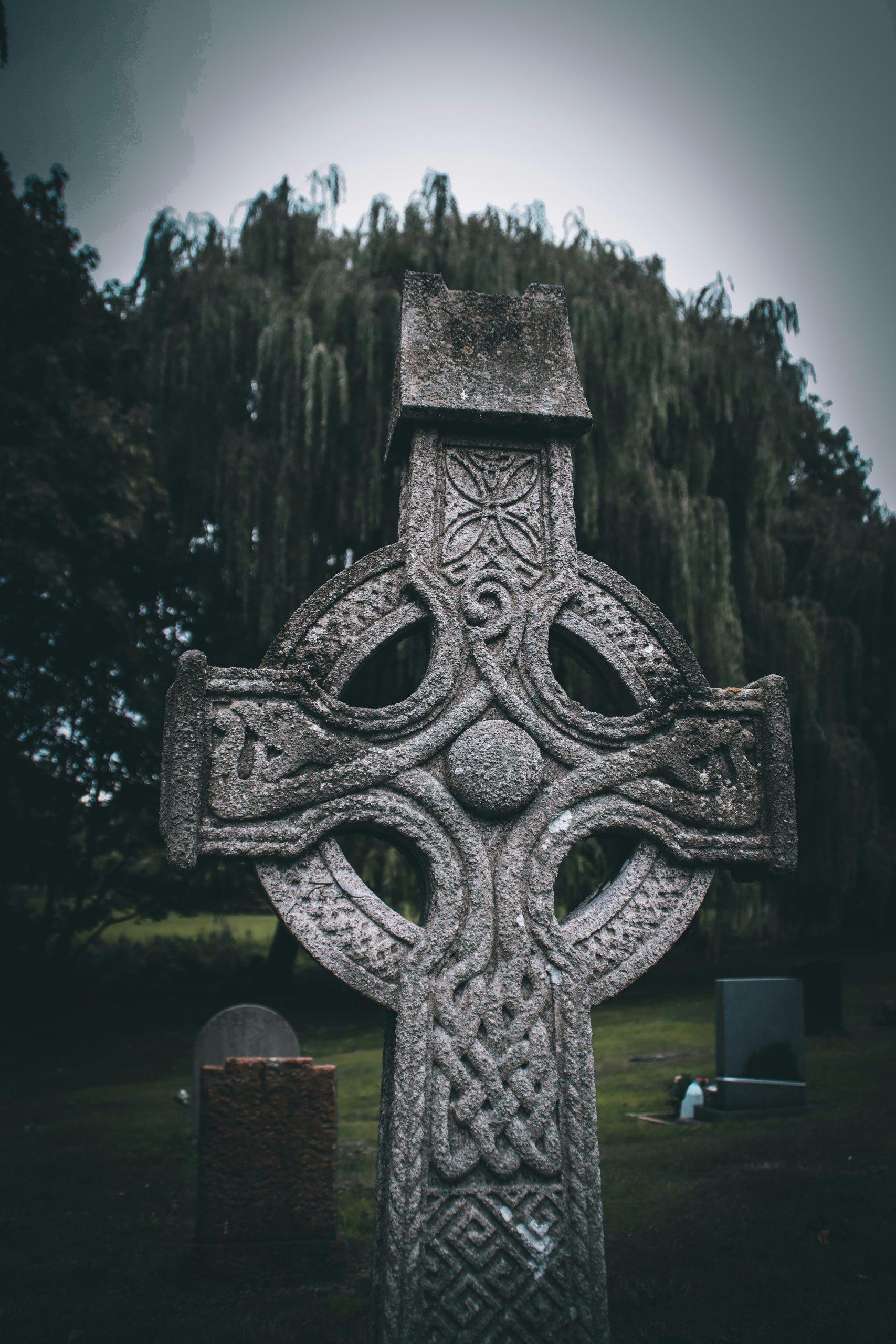
- Celtic designs often incorporate intricate knots and spirals, symbolizing eternity.
- Buddhist stones may feature images of lotus flowers, representing purity and enlightenment.
- Materials Used: Cultural traditions dictate the types of materials used in tombstone design. Notably:
- In Egyptian culture, granite is prominent, reflecting durability and connection to the afterlife.
- In Indigenous cultures, natural stones or wood may be favored, emphasizing a bond with nature.
- Artistic Styles: The artistic representation of tombstones is also influenced by cultural heritage:
- Japanese tombstones often exhibit minimalist aesthetics, focusing on harmony and simplicity.
- Mexican memorials embrace vibrant colors and artistic expression, evident in Día de los Muertos celebrations.
This coming era of tombstone 2026 will likely witness even more blending of cultural elements, leading to unique, personalized memorials that resonate emotionally with the deceased’s family. Embracing these diverse influences not only honors individual legacies but also celebrates the rich tapestry of human heritage.
Integration of Technology in Memorials
As we look ahead to tombstone 2026, technology is set to transform the way we honor and remember our loved ones. The integration of innovative solutions into memorial design opens up exciting possibilities. Here’s how technology is reshaping the landscape:
- QR Codes and Augmented Reality: Imagine scanning a QR code on a tombstone that leads to a multimedia tribute. Families can share stories, photos, and videos, creating a dynamic connection that transcends time.
- Digital Screens: Some modern memorials now feature digital screens that display rotating images and messages. This allows for ongoing updates and tributes, making it easy to celebrate anniversaries or special memories.
- Smart Grave Markers: The rise of smart grave markers equipped with sensors can alert family members to maintenance needs or even provide GPS coordinates for easy location.
- Virtual Reality Experiences: Planning a virtual reality journey through memorial gardens or integrating immersive storytelling can bring new dimensions into remembering a loved one.
Incorporating these technologies into tombstone design not only modernizes memorials but enhances how we engage with memories. As we approach tombstone 2026, responsiveness to technological advancements will create more profound connections to our past, ensuring that the legacies of our loved ones are celebrated in innovative ways. Embracing such changes can transform memorial visits into unique experiences rather than static rituals.
The Impact of Digital Memorialization
As we move towards tombstone 2026, digital memorialization is reshaping how we remember our loved ones. This innovative approach transcends traditional cemeteries, providing a virtual space for remembrance in our tech-driven world. Here are some compelling ways digital memorials impact our grieving processes:
- Virtual Tributes: Online platforms allow families to create digital tributes, showcasing photographs, videos, and stories. These memorials can be easily shared with friends and family, fostering a sense of community.
- Augmented Reality: Imagine visiting a cemetery and using your smartphone to scan a tombstone, instantly revealing a video or audio tribute. This engaging experience connects visitors to the memories of their loved ones in a deeper, more interactive way.
- Social Media Integration: Many people now commemorate milestones and anniversaries through social media. This trend not only honors the deceased but also enables a collective reflection on their lives, engaging a wider audience.
- Memorial Websites: Families can create dedicated websites to celebrate the lives of those they’ve lost. These sites serve as a central place for sharing memories, organizing events, and even gathering donations for causes in the deceased’s name.
Digital memorialization is revolutionizing how we remember, allowing us to blend tradition and technology in ways that will impact tombstone 2026 and beyond. Embracing these advancements helps ensure that our loved ones’ legacies continue to thrive in the digital age.
Frequently Asked Questions
What are some emerging trends in tombstone design for 2026?
In 2026, we can expect tombstone design to embrace more personal and unique elements. There will be a noticeable shift towards eco-friendly materials, with an emphasis on sustainability. Additionally, technology will play a significant role, with some designs incorporating digital elements like QR codes that link to memorial websites or virtual tributes. The use of 3D printing will also become more prevalent, allowing for complex designs and custom shapes that reflect the deceased’s personality or interests.
How important is personalization in modern tombstone designs?
Personalization is becoming increasingly essential in modern tombstone designs. Families want to celebrate the individuality of their loved ones rather than opting for generic markers. This trend is reflected in customized engravings, unique shapes, and the inclusion of symbols that represent hobbies, passions, or significant life events. Personal touches not only make the tombstone a true reflection of the person’s life but also provide comfort to loved ones as they visit and remember.
What materials are gaining popularity in tombstone design?
As we move towards 2026, materials like biodegradable options and sustainably sourced stone are gaining popularity in tombstone design. Families are becoming more conscious of their environmental impact, and as a result, they are leaning towards options like bamboo, reclaimed wood, or stones that don’t contribute to ecosystem destruction. Additionally, traditional materials such as granite and marble are still staples, but designs will include mixed materials to create visually striking and meaningful memorials.
Will technology have an impact on tombstone design in the future?
Absolutely! Technology is set to revolutionize tombstone design in the coming years. The integration of QR codes or NFC technology in tombstones is on the rise, allowing visitors to access digital tributes, photographs, or biographical information about the deceased. Furthermore, augmented reality may allow families to create interactive experiences at gravesites, giving a richer, more engaging way to remember and connect with loved ones who have passed.
How can families ensure their loved one’s tombstone design honors their memory appropriately?
To ensure a tombstone design honors a loved one’s memory, families should start by discussing the person’s life, interests, and values. It’s crucial to gather input from family and friends to capture the essence of the individual. Choosing elements that reflect their personality, such as symbols or quotes, is also significant. Consulting with a reputable designer can help translate these ideas into a meaningful and respectful design that will serve as a lasting tribute.