Understanding How Much a Grave Really Costs: Factors to Consider



When planning a burial, understanding the various costs associated with a grave is crucial. Grave factors such as the type of burial plot, geographic location, and additional cemetery fees can significantly impact overall expenses. Beyond the initial purchase of a grave, considerations like maintenance, perpetual care, and funeral home services can further influence the financial implications of this final resting place. This comprehensive guide aims to shed light on the essential elements that contribute to the cost of a grave, ensuring that families can make informed decisions during a challenging time.
Factors Influencing Grave Costs
When considering the cost of a grave, multiple grave factors come into play. Understanding these factors can help families make informed decisions during a difficult time. Here are the primary considerations:
- Location of the Cemetery: Prices vary significantly based on urban versus rural settings. Urban cemeteries tend to charge higher prices due to space scarcity.
- Type of Burial Plot: The cost can differ between traditional plots, cremation sites, or family estates. Each type has specific pricing influenced by demand and availability.
- Cemetery Reputation: Well-known or historic cemeteries often price higher due to their perceived value and services offered.
- Land Costs: The price of land in the area directly impacts the cost of grave plots. Higher real estate values can lead to increased grave factor costs.
- Plot Size and Depth: Standard plots typically accommodate one interment, whereas larger plots can cater for multiple family members, affecting the overall cost.
- Cemetery Services Included: Some cemeteries include maintenance, flowers, and even markers in their fees. Assessing these services can clarify costs.
By examining these grave factors, families can better prepare for the financial implications of selecting a final resting place. Ultimately, knowing these grave factors helps ensure that decisions align with both values and budget.
Types of Burial Plots
When considering the cost of a grave, it’s essential to understand the various types of burial plots available. These grave factors significantly influence both the price and the overall experience of the burial process. Here are the main types of burial plots you can encounter:
- Traditional Burial Plot:
- Description: Designed for caskets, typically in a cemetery.
- Cost Range: Generally higher due to land and maintenance fees.
- Cremation Plot:
- Description: Smaller space for urns containing ashes.
- Cost Range: Usually more affordable than traditional plots.
- Family Plot:
- Description: Accommodates multiple family members, allowing for shared space.
- Cost Range: Often advantageous in pricing, depending on the number of burials.
- Green Burial Plot:
- Description: Eco-friendly option, often in a natural setting without traditional embalming fluids.
- Cost Range: Can be less expensive, reflecting lower maintenance needs.
- Mausoleum Space:
- Description: Above-ground structure for caskets.
- Cost Range: Higher initial investment, but offers protection from environmental factors.
Understanding these grave factors will aid in making a more informed decision about which burial plot best suits both personal preferences and financial considerations. Each type varies in cost and features, allowing families to select a plot that aligns with their values and budget.
Geographic Location Impact
Geographic location plays a pivotal role in determining grave costs, as variations in demand, regulations, and environmental factors significantly influence pricing. The following elements shed light on how location affects these grave factors:
- Urban vs. Rural Areas: Urban cemeteries often experience higher demand due to limited space, leading to increased prices. Meanwhile, rural areas generally have more available land and may offer lower prices for grave plots.
- State Regulations: Each state has its own set of regulations regarding cemetery operations. States with stringent regulations might incur higher operating costs, ultimately raising the price of graves.
- Local Economic Conditions: The cost of living in a particular area can directly impact grave prices. Affluent regions may showcase higher costs as families are willing to spend more on burial services.
- Cemetery Type: The type of cemetery—private, religious, or municipal—can also influence costs. Private cemeteries typically charge more due to additional services and amenities.
To illustrate this impact, consider the following comparison:
| Location Type | Average Grave Cost |
|---|---|
| Urban Private | $3,000 – $10,000 |
| Urban Municipal | $2,000 – $5,000 |
| Rural Private | $1,000 – $4,000 |
| Rural Municipal | $800 – $2,500 |
In conclusion, understanding the geographic location impact on grave factors is crucial for families making informed burial decisions. By analyzing local market conditions, one can better anticipate costs and plan accordingly.
Cemetery Fees and Regulations
When estimating the total cost of a grave, one must consider various Cemetery Fees and Regulations that significantly influence overall expenses. These fees can vary widely based on location, the type of cemetery, and specific regulations in place.
Common Fees Associated with Cemeteries:
- Plot Purchase Fee: This is the basic cost for acquiring a burial plot. Cemetery location directly impacts this fee. Urban areas often have higher fees compared to rural ones.
- Opening and Closing Fees: Cemeteries usually charge for the process of digging the grave and later covering it. Rates vary based on the cemetery’s policies and time of the burial.
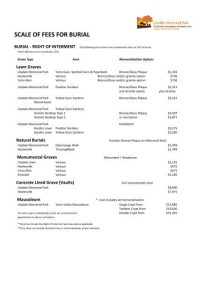
- Maintenance Fees: Many cemeteries impose a yearly maintenance fee to cover groundskeeping and upkeep. This may also include perpetual care, ensuring the site remains well-maintained indefinitely.
- Administrative Fees: Some cemeteries charge fees for paperwork and administrative tasks involved in the burial process.
Regulations to Keep in Mind:
- Cemetery Rules: Each cemetery has specific regulations concerning gravestones, flowers, and decorations. Violations may incur additional charges.
- Local Laws: Some states have regulations regarding burial practices, which can impact costs.
| Fee Type | Typical Cost Range |
|---|---|
| Plot Purchase Fee | $1,000 – $4,000 |
| Opening and Closing Fees | $300 – $1,000 |
| Maintenance Fees (Annual) | $50 – $500 |
| Administrative Fees | $50 – $150 |
Understanding these grave factors will enable individuals to prepare financially and navigate the complexities of cemetery options effectively.
Maintenance and Perpetual Care
When considering the total cost of a grave, it’s crucial to examine the maintenance and perpetual care associated with it. These grave factors can significantly impact long-term expenses, ensuring that the burial site remains dignified and well-kept.
Key Components of Maintenance and Perpetual Care
- Routine Maintenance: This includes lawn care, flower planting, and cleaning of the grave marker. Many cemeteries offer these services as part of their package.
- Perpetual Care Fund: Most cemeteries require a one-time fee that goes into a fund dedicated to the ongoing maintenance of grave sites. These funds ensure graves remain maintained indefinitely.
- Cost Variables: Depending on the cemetery’s policies, perpetual care fees may vary:
- Public Cemeteries: Often offer lower fees as they rely on government funding.
- Private Cemeteries: Frequently have higher perpetual care costs due to profit motives.
Below is a comparison of the average costs for maintenance and perpetual care in different types of cemeteries:
| Cemetery Type | Average Maintenance Cost | Perpetual Care Fee |
|---|---|---|
| Public Cemetery | $100 – $300 annually | $200 – $500 |
| Private Cemetery | $200 – $500 annually | $500 – $1500 |
Understanding these grave factors enables families to budget accurately when planning for burial expenses. By factoring in maintenance and perpetual care, individuals can ensure their loved ones’ final resting places remain respected and cherished for years to come.
Additional Costs to Consider
When planning for burial, understanding the Grave Factors extends beyond the cost of the plot itself. Here are some additional expenses to keep in mind:
- Opening and Closing Fees: Many cemeteries charge a fee for excavating the grave site. This can vary widely depending on the cemetery’s policies.
- Headstones and Markers: The cost of grave markers or headstones can significantly influence the overall expense. Custom designs, materials, and engravings will affect the price. For example:
| Type of Marker | Average Cost |
|---|---|
| Flat Marker | $1,000 – $3,000 |
| Upright Headstone | $2,000 – $10,000 |
- Concrete Vaults: Some cemeteries require a concrete vault to protect the casket. This can range from $1,000 to $3,000 or more.
- Maintenance Fees: Regular maintenance for graves, often termed “perpetual care,” may incur an additional yearly fee.
- Transportation Costs: If the burial location is distant, transportation costs for the deceased can add up.
- Legal Fees: In some cases, legal services for arrangements, permits, or other administrative needs may also be necessary.
Overall, being aware of these additional Grave Factors helps families to prepare financially for unexpected costs during this sensitive time. Proper planning can ease burdens and ensure a smoother process.
Funeral Home Services
When considering the grave factors that influence overall burial expenses, funeral home services play a significant role. These services can vary widely in cost depending on the package chosen and the specific needs of the deceased’s family. Here are critical elements to consider:
- Basic Services Fee: This includes professional services such as coordination of the funeral, obtaining necessary permits, and sheltering the remains.
- Transportation Costs: Fees for transporting the body to the funeral home or cemetery can add up, particularly if the location is far or if multiple trips are necessary.
- Preparation of the Body: Services may include embalming, cosmetology, and dressing, all of which incur additional charges.
- Viewing and Visitation: Costs arise from the use of facilities for viewings, including setup and staffing during visitation hours.
Comparison of Typical Funeral Home Service Costs
| Service Type | Average Cost Range |
|---|---|
| Basic Services Fee | $2,000 – $3,500 |
| Transportation | $300 – $1,000 |
| Preparation of the Body | $500 – $1,500 |
| Viewing Facilities | $400 – $1,000 |
In summary, when assessing funeral home services as part of the overall grave factors, it is essential to review the specific offerings and corresponding prices. Families can ensure they are making informed decisions while staying within their budget.
Pre-Planning and Its Financial Implications
Pre-planning your burial can significantly impact the overall expenses associated with a grave. Understanding the grave factors involved in this process allows individuals to make informed decisions that can lead to cost savings and reduced stress for loved ones.
Key Benefits of Pre-Planning:
- Locking in Prices: By pre-purchasing a grave and associated services, individuals can avoid potential price increases due to inflation.
- Arranging Payments: Many cemeteries offer flexible payment plans, which can ease the financial load on family members during a difficult time.
- Personal Preferences: Pre-planning enables individuals to choose specific burial locations, plot sizes, and services tailored to their wishes.
Financial Implications to Consider:
| Consideration | Impact on Costs |
|---|---|
| Grave Purchase Early | Typically lower prices |
| Maintenance Fees | Often pre-paid and reduced |
| Cemetery Lot Selection | Prime locations may cost more |
| Additional Services | Pre-selected services can simplify costs |
When considering pre-planning, keep in mind that it also allows for holistic financial management of the burial process. Addressing grave factors such as these not only provides peace of mind but also ensures that families avoid making rushed decisions during emotional times. By planning ahead, individuals can secure both their wishes and their financial interests.
Frequently Asked Questions
What is the average cost of a grave in the United States?
The average cost of a grave in the United States varies significantly depending on location, type of cemetery, and the specific plot selected. As of recent estimates, the cost can range anywhere from $1,000 to $4,000 for a standard burial plot in a public cemetery, while private cemeteries might charge between $2,000 to $10,000. Additionally, urban areas typically have higher prices compared to rural regions, making it essential to research local options and understand regional pricing.
What additional costs should I consider when purchasing a grave?
When purchasing a grave, it is important to consider several additional costs beyond the plot itself. These can include the cost of a burial vault orliner, which can add between $500 to $5,000 to the overall expense, depending on materials chosen. Furthermore, cemetery fees for opening and closing the grave often range from $300 to $1,500. Other potential costs include headstones or grave markers, installation fees, and ongoing maintenance or care fund contributions, which can vary widely.
Are there different types of graves, and how do they affect pricing?
Yes, there are several types of graves, each affecting pricing distinctly. Traditional burial plots are typically less expensive than niches for cremated remains or mausoleums for above-ground interment. Family plots, which accommodate multiple burials, also tend to be priced differently. Additionally, the choice between a single depth burial or a double depth grave—allowing for two burials in one plot—can impact costs. Understanding these distinctions is crucial when budgeting for funeral-related expenses.
How can I finance the purchase of a grave?
Financing the purchase of a grave can be handled through various means. Some cemeteries offer payment plans allowing families to make installments over time, which can help alleviate the immediate financial burden. Additionally, some individuals use life insurance policies to cover burial expenses or open dedicated savings accounts specifically for funeral costs. It is advisable to discuss available financing options directly with the cemetery, as well as consider consulting a financial advisor for tailored advice.
What factors can influence the price of a grave in different regions?
Several factors can lead to variations in grave pricing across different regions. Geographic location, for instance, plays a crucial role; urban centers with higher demand and limited space often feature skyrocketing prices compared to rural areas where land is more abundant. Other considerations include local cemetery regulations, land value trends, and the overall cost of living in the area. Additionally, historical significance or popularity of certain cemeteries and their aesthetic or memorial services can further influence the price.