Navigating Cemetery Burial Costs in 2026: Tips and Advice

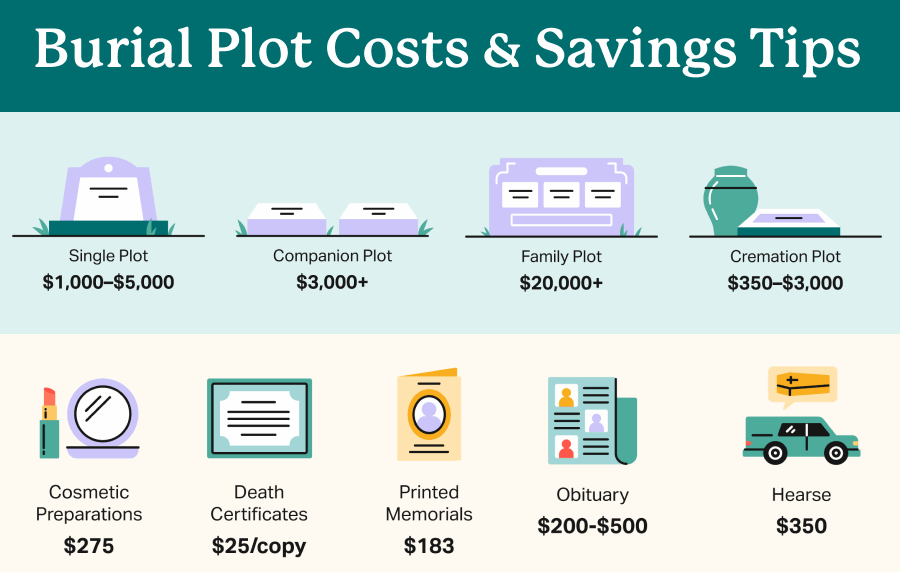

Navigating cemetery burial costs in 2026 can be a daunting task, especially as expenses continue to evolve. Understanding the various factors that influence cemetery burial costs is crucial for making informed decisions during such sensitive times. With numerous burial options available, budgeting effectively and seeking advice can help alleviate some of the financial burdens associated with funerals. In this guide, we will explore practical tips and strategies to minimize cemetery burial costs while also identifying resources for financial assistance.
Understanding Cemetery Burial Costs in 2026
Navigating cemetery burial costs in 2026 requires an understanding of various elements influencing the overall expenses. As prices tend to fluctuate, it’s essential to grasp the factors that contribute to these costs. Here are the primary components:
- Location: The geographical area significantly impacts the cemetery burial cost. Urban areas often present higher prices compared to rural locations.
- Type of Service: Different burial options, such as traditional, green, or cremation services, carry varying costs. Traditional burials are typically more expensive.
- Cemetery Fees: Costs can include plot purchases, maintenance, and opening/closing fees. These often vary between cemeteries.
- Headstones and Memorials: The choice of memorialization can also increase expenses. Custom headstones add to the overall cemetery burial cost.
To help you visualize, here’s a simplified comparison of burial options:
| Burial Type | Average Cost |
|---|---|
| Traditional Burial | $7,000 – $10,000 |
| Green Burial | $3,000 – $5,000 |
| Cremation | $1,000 – $3,000 |
Understanding these factors can empower you to make informed financial decisions when planning for cemetery expenses.
Factors Influencing Burial Costs
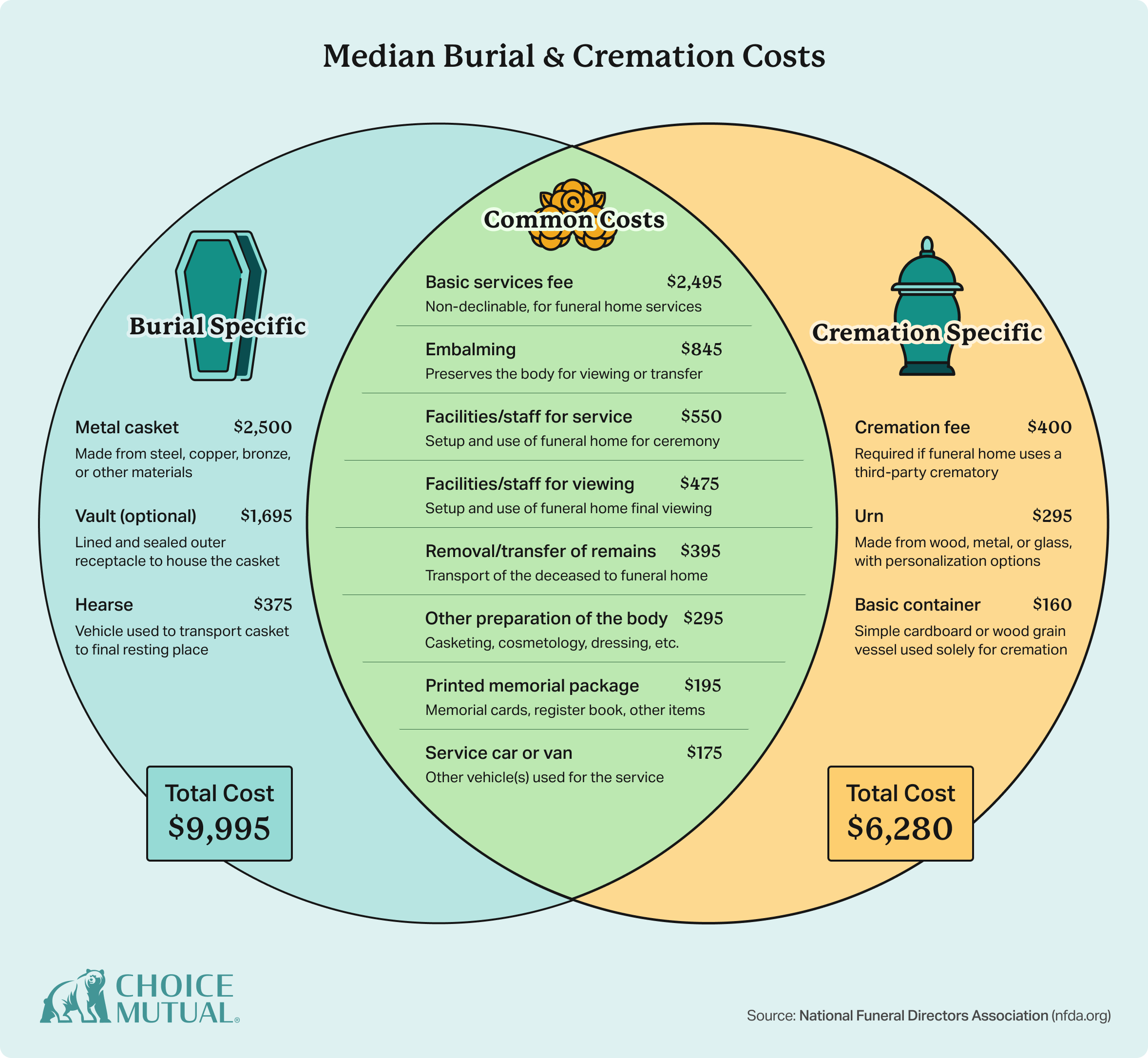
Understanding the cemetery burial cost involves examining various factors that can impact the overall expense. These elements can vary significantly based on location, services, and personal preferences. Here are some key considerations:
- Location of the Cemetery: Urban cemeteries typically charge higher fees compared to rural areas due to land scarcity.
- Type of Burial: Traditional burials are often more expensive than cremation or green burials. The choice of casket also adds to costs.
- Basic Fees: Many cemeteries charge for fundamental services, including opening and closing the grave, which can increase the cemetery burial cost.
- Additional Services: Optional features, such as memorial services, flowers, and grave markers, contribute significantly to overall expenses.
- Maintenance Fees: Some cemeteries require perpetual maintenance funds, which may appear as a separate charge.
By understanding these influential factors, individuals can better navigate the complexities of cemetery burial costs and make informed decisions that suit their budget.
Comparing Different Burial Options
When planning a burial, understanding the cemetery burial cost associated with various options is crucial. Here’s a breakdown of the most common types of burials to help you make an informed decision:
| Burial Option | Average Cost | Description |
|---|---|---|
| Traditional Burial | $7,000 – $12,000 | Includes casket, plot, grave marker, and service fees. |
| Green Burial | $5,000 – $8,000 | Eco-friendly option without embalmment or concrete vaults. |
| Cremation | $1,000 – $3,500 | Involves the cremation process followed by urn burial or scattering. |
| Entombment | $8,000 – $15,000 | Burial in a mausoleum, providing an above-ground resting place. |
Considerations:
- Preferences: Think about the deceased’s wishes and your family’s traditions.
- Location: Costs can vary significantly based on geographic location.
- Amenities: Some cemeteries offer additional services, affecting the overall cemetery burial cost.
When comparing options, always check what’s included in the price to avoid unexpected expenses and find the best value for your needs.
Budgeting for Cemetery Expenses
When planning for a burial, understanding cemetery burial costs is crucial for effective budgeting. Here are key factors to consider:
- Basic Interment Costs: This includes the grave plot, which typically ranges from $1,000 to $4,000, depending on location and cemetery type.
- Additional Fees: Consider costs for maintenance, opening and closing the grave, which can add another $500 to $1,500.
- Funeral Services: Funeral home services can significantly impact overall costs, averaging between $5,000 and $15,000.
Tips for Budgeting
- Create a Detailed Budget: Write down all potential expenses related to the cemetery burial cost to ensure transparency and avoid surprises.
- Prioritize Spending: Identify essential expenses versus optional features (e.g., elaborate tombstones).
- Research Alternatives: Compare different cemeteries and their packages—some may provide all-inclusive options that save money.
By proactively managing your budget, you can strategically navigate cemetery burial costs, ensuring a respectful farewell that meets financial constraints.
Tips for Reducing Burial Costs
Navigating cemetery burial costs can be overwhelming, but there are several strategies to help lessen the financial burden. Here are some effective tips:
- Plan Ahead: Make arrangements in advance. Pre-planning can save you money and stress during a difficult time.
- Compare Prices: Obtain quotes from multiple funeral homes and cemeteries. This helps you find the best deal and understand the standard cemetery burial cost in your area.
- Choose Direct Burial: Opt for a direct burial, which often includes fewer services and therefore lowers costs. This option typically omits embalming and viewing fees.
- Limit Add-Ons: Consider minimizing extras like upgraded caskets, expensive burial plots, or elaborate services. Focus on essential services only.
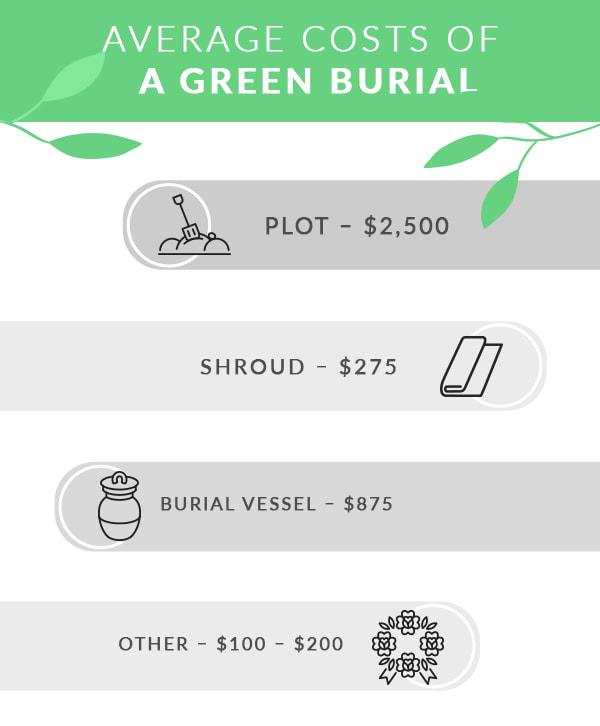
- Research Alternatives: Explore options such as green burials or cremations, which often come at a lower cemetery burial cost compared to traditional burials.
Implementing these tips can lead to significant savings, making a tough period a little easier financially.
Finding Financial Assistance and Resources
Navigating cemetery burial costs can be overwhelming, but several resources can help ease the financial burden. Consider these options:
- Government Programs: Many local and state governments offer assistance for low-income families. Contact your local social services office to find available programs.
- Nonprofit Organizations: Various nonprofits provide financial aid or resources for burial expenses. Research organizations in your area that focus on end-of-life support.
- Funeral Financing: Some funeral homes offer financing plans to spread the cemetery burial cost over time. Discuss these options with your chosen provider.
- Life Insurance: If the deceased had a life insurance policy, the benefits may cover cemetery burial costs. Make sure to check the policy details.
- Crowdfunding: Online platforms can help create a memorial fund. Encourage family and friends to contribute toward funeral and burial expenses.
By utilizing these resources, you can significantly reduce the stress associated with cemetery burial costs, ensuring a dignified farewell for your loved one without overwhelming financial pressure.
Frequently Asked Questions
What are typical burial costs in 2026?
In 2026, the average costs associated with burial can vary widely based on location, type of service, and chosen cemetery. Typically, basic burial services may range from $7,000 to $12,000, inclusive of costs for the casket, cemetery plot, and services like embalming. Additional expenditures may include the headstone, flowers, and any special arrangements, which can further elevate the total expenses. It’s prudent to research local cemetery prices and consider options that meet both your budget and preferences.
How can I save money on burial costs?
Saving money on burial costs involves careful planning and seeking alternatives that fit within your financial constraints. One practical approach is to compare prices of different funeral homes and cemeteries in your area. You may also consider opting for a direct burial without a service, which can be significantly more affordable. Additionally, purchasing a casket online or choosing a simpler casket made from less expensive materials can reduce costs. Planning ahead and discussing your options with family can also contribute to cost-effective decisions.
Are there any financial assistance programs for funeral costs?
Yes, several financial assistance programs exist to help families manage funeral and burial costs. Government programs such as Social Security may offer a one-time death benefit to eligible survivors, which can be used towards burial expenses. Various non-profit organizations and charities also provide assistance based on specific criteria such as income and location. Moreover, many local religious organizations and community groups may have resources or funds available to support families during this difficult time.
What should I do if I cannot afford a burial?
If you’re unable to afford a burial, several options are available to ensure that you can honor your loved one adequately. Consider reaching out to charitable organizations that may offer assistance in covering burial costs or look into cremation as a more budget-friendly alternative. Some local governments provide indigent burial services for those in financial hardship, ensuring that essential services are available. It’s also advisable to communicate with the funeral home about your financial situation; many are willing to work with families to devise a plan that fits their budget.