Understanding the Shift Towards Cemetery Urn Burials in 2026

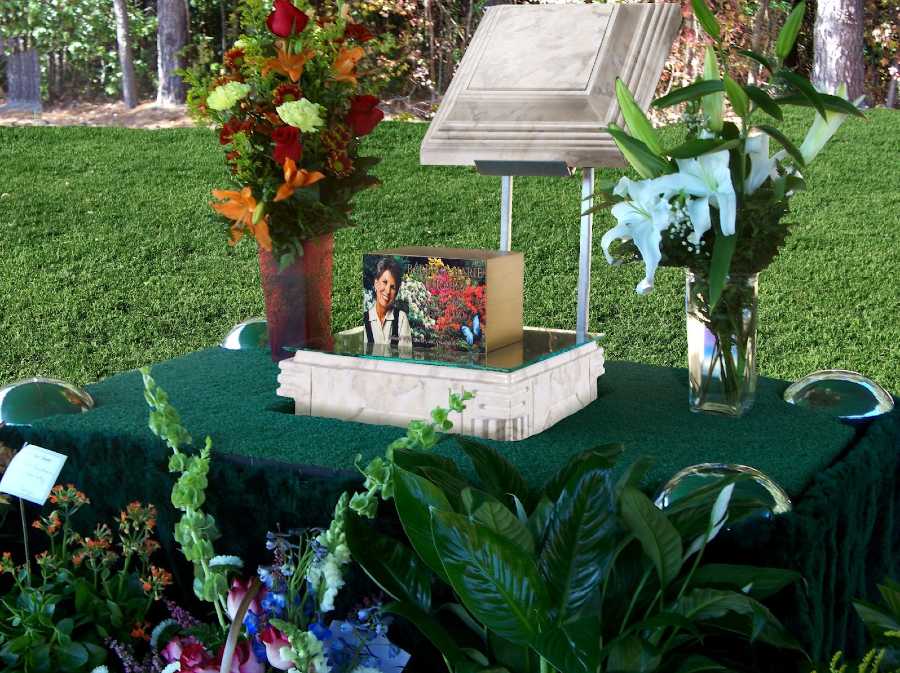

As society evolves, so do our approaches to honoring loved ones after death. The rise of cemetery urn burial reflects a significant cultural shift toward more personalized and environmentally conscious funeral practices. With changing legal regulations and a growing awareness of the emotional benefits of choosing urns, many individuals and families are opting for this thoughtful method of remembrance. Understanding these factors and exploring the implications of this trend will shed light on the visions of funerary traditions in the coming years.
Historical Context of Ashes and urn Burials
Over the centuries, cultures worldwide have adopted various practices for handling remains after death. The historical context of ashes and urn burials reveals significant shifts influenced by societal norms and beliefs. Here are key points to consider:
- Ancient Traditions: In ancient civilizations, such as the Egyptians and Romans, cremation was a common practice. Ashes were often stored in ornate vessels, signifying respect and remembrance.
- Religious Influences: Many religions traditionally endorsed burial over cremation. However, shifts occurred in belief systems, leading to an acceptance of cremation and subsequent cemetery urn burials.
- Modern Acceptance: The 20th century marked a substantial pivot, with increasing numbers of families opting for cremation due to its simplicity and cost-effectiveness. This surge directly influenced the rising popularity of cemetery urn burials today.
This historical context illuminates the evolution of cemetery urn burial practices, providing insight into why they are increasingly preferred in contemporary society. As awareness and acceptance continue to grow, we can expect further transformations in how we honor our loved ones.
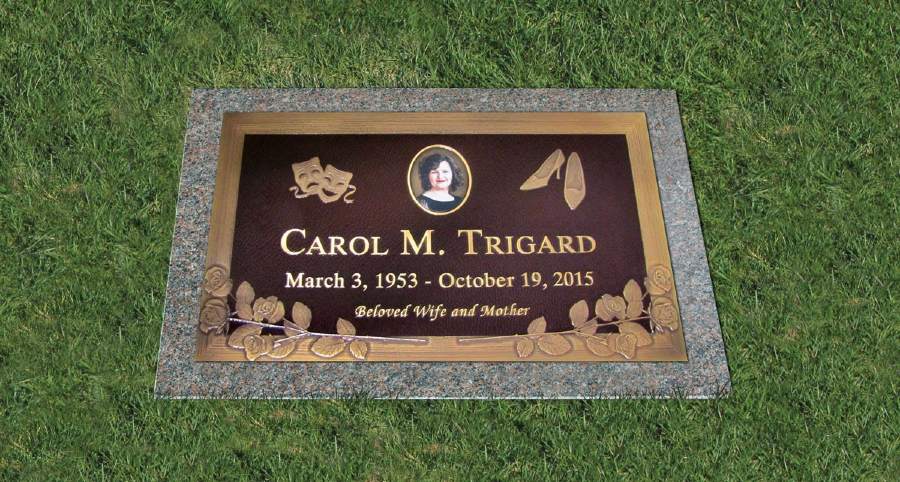
Legal Regulations Affecting Cemetery urn Burials
Navigating the legal landscape surrounding cemetery urn burial can be complex, as regulations vary significantly across regions. Understanding these laws is crucial for families considering this option. Here are some key points to keep in mind:
- Local Regulations: Each state or municipality may have specific rules governing where and how urns can be buried. It’s essential to consult local ordinances before proceeding.
- State Laws: Some jurisdictions allow for the interment of cremated remains in traditional cemetery plots, while others may require special permits for specific types of burials.
- Cemetery Policies: Individual cemeteries often have their own regulations regarding size, material, and placement of urns. Always check with the cemetery management to comply with their requirements.
- Disposal Options: Laws may also dictate how remains can be scattered or interred in natural settings. Ensure you know these regulations to avoid legal complications.
By being aware of these regulations, families can make informed decisions when opting for cemetery urn burial, ensuring a respectful and legal farewell.
Cultural Shifts Influencing Funeral Practices
The landscape of funeral practices is undergoing significant changes, influenced by evolving cultural perspectives. As society becomes more diverse and individualistic, the preference for traditional burials is slowly diminishing. Notably, cemetery urn burial practices are rising in popularity for several reasons:
- Personalization: Families are increasingly seeking unique ways to honor their loved ones. With cemetery urn burial, individuals can choose personalized urns that reflect the deceased’s personality or interests.
- Simplicity and Affordability: Many find that a cemetery urn burial is often more cost-effective than traditional casket burials. Simplified processes lead to less financial strain on families during a difficult time.
- Cultural Acceptance: As cremation becomes more accepted globally, families are more open to exploring urn burials. This movement shifts from taboo to a norm, embracing death with a focus on celebration rather than mourning.
- Family Dynamics: Modern families often blend traditions from various cultures, allowing for innovative memorial practices that include the cemetery urn burial, making it a poignant choice for remembrance.
Understanding these cultural shifts can help families navigate their options, ensuring a respectful farewell that resonates with personal beliefs and values.
Environmental Considerations of urn Burials
As society increasingly prioritizes sustainability, cemetery urn burial practices gain traction for their eco-friendliness. Unlike traditional burials that involve extensive land use and resource consumption, urn burials present a greener alternative. Here are several environmental benefits associated with cemetery urn burials:
- Reduced Land Use: urn burials require significantly less space, preserving land for other uses such as parks or natural habitats.
- Lower Carbon Footprint: The cremation process, which precedes urn burial, typically emits fewer greenhouse gases compared to traditional burial methods that involve embalming fluids and caskets.
- Biodegradability: Many urns are made from biodegradable materials that allow for a natural return to the earth, reducing long-term environmental impact.
Comparison of Burial Methods
| Burial Method | Land Use | Carbon Footprint | Biodegradability |
|---|---|---|---|
| Traditional Burial | High | High | Limited |
| Cemetery urn Burial | Low | Lower | High |
As the movement toward cemetery urn burial grows, it aligns with broader environmental goals, making it an appealing choice for those wishing to honor their loved ones while caring for the planet.
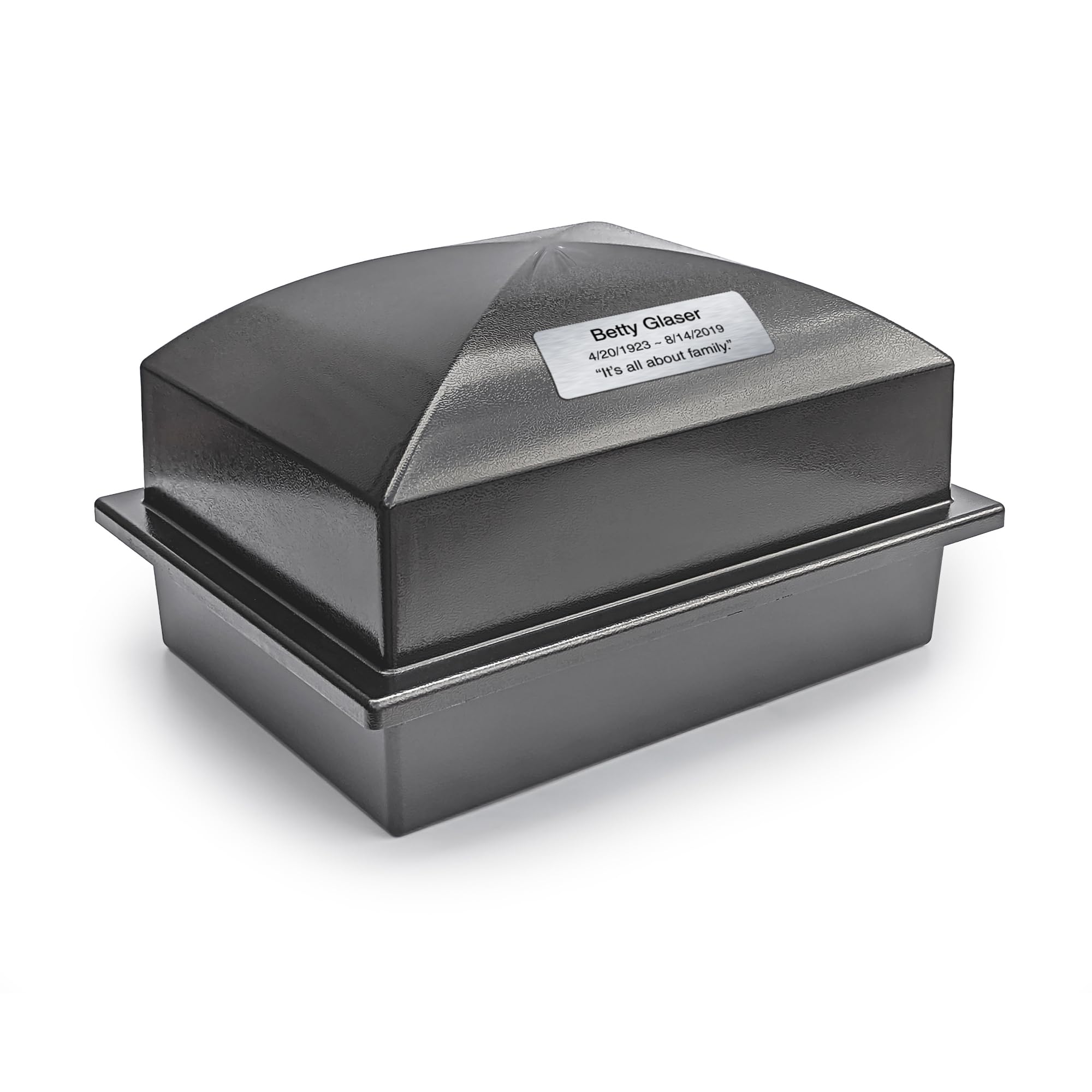
Emotional and Psychological Aspects of Choosing Urns
Choosing a cemetery urn burial carries profound emotional and psychological significance for both the deceased’s family and friends. This decision often encapsulates their love, respect, and memories associated with the individual. Here are some key aspects to consider:
- Connection and Memory: Selecting a specific urn can deepen the connection to the deceased, serving as a tangible reminder of their life and legacy.
- Personalization: Many families prefer urns that reflect the personality or interests of their loved one, enhancing their emotional attachment. For instance, urns may be engraved or crafted in bespoke designs, which can evoke cherished memories.
- Healing Process: The act of choosing an urn can be cathartic. It allows family members to actively participate in the grieving process and create a sense of closure.
- Peace of Mind: Knowing that the deceased is memorialized in a dignified manner through a cemetery urn burial can provide immense comfort to grieving individuals.
By understanding these emotional and psychological aspects, families can make more informed decisions that honor their loved ones while aiding their healing journey.
Future Trends in Cemetery urn Burial Practices
As society evolves, so do our funeral practices, particularly in relation to cemetery urn burial. Several trends are shaping the way families approach this decision:
- Personalization: Families increasingly desire urns that reflect their loved one’s personality. Expect more options for custom designs, materials, and sizes.
- Eco-friendly Options: Conscious of environmental impact, many choose biodegradable urns. These allow ashes to return to nature, supporting sustainable practices in cemetery urn burial.
- Technology Integration: Innovative features like QR codes on urns can link to online memorials, preserving memories in a modern format.
- Community Spaces: Cemeteries are transitioning into community memorial gardens. Such spaces foster connections, allowing families to visit and commemorate loved ones collectively.
- Increased Acceptance: With changing attitudes towards death, cemetery urn burial is no longer taboo. Society embraces this option as a meaningful choice.
With these trends, the future of cemetery urn burial promises to be more inclusive, considerate, and reflective of individual values.
Frequently Asked Questions
What are cemetery urn burials, and why are they becoming more popular in 2026?
Cemetery urn burials involve the interment of ashes in a designated burial space, typically within a cemetery. This option is becoming increasingly popular in 2026 due to a combination of environmental concerns, rising cremation rates, and changing societal attitudes toward death and memorialization. Families appreciate the ability to create personalized memorials that reflect the deceased’s life, while also minimizing land usage, making urn burials an eco-friendly choice.
What benefits do cemetery urn burials offer compared to traditional casket burials?
Cemetery urn burials offer several advantages over traditional casket burials, including reduced cost, as urns generally cost less than caskets and require less land. Additionally, urn burials have a smaller carbon footprint, making them a more sustainable option. They may also provide families with more flexibility in terms of memorial options, allowing for unique tributes that can incorporate aspects of the individual’s personality and values while being simpler to manage and maintain.
What types of urns are commonly used for cemetery burials?
Common types of urns used for cemetery burials include biodegradable urns, metal urns, ceramic urns, and wood urns. Biodegradable urns are designed to break down naturally, often becoming part of the earth over time, which is aligned with eco-conscious trends. Metal urns offer durability and longevity, while ceramic and wooden urns provide aesthetic appeal and can be personalized. The choice of urn can vary based on personal preferences, budget constraints, and the desired memorialization method.
Are there specific regulations governing cemetery urn burials?
Yes, there are regulations that govern cemetery urn burials, and these can vary based on local laws and the policies of individual cemeteries. Many cemeteries have specific sections dedicated to cremated remains, and there may be guidelines relating to the type of urn that is permitted, depth of burial, and required documentation. It’s essential for families to check with the cemetery beforehand to ensure compliance with all regulations and to facilitate a smooth burial process.