Cemetery Costs in 2026: A Financial Overview



Navigating the complexities of cemetery costs in 2026 is crucial for anyone planning end-of-life arrangements. As prices continue to rise, understanding the financial implications of purchasing cemetery plots, associated burial services, and the differences between cremation and burial can make a significant difference in budgeting for these expenses. This overview will guide you through the factors influencing cemetery costs, emerging trends, and how to effectively plan for these important financial decisions.
Understanding Cemetery Plot Prices in 2026
In 2026, cemetery costs for plots have experienced notable changes due to factors like location, demand, and maintenance fees. Here’s a quick overview:
- Average Plot Prices:
- Urban Areas: $3,000 – $10,000
- Suburban Areas: $2,000 – $5,000
- Rural Areas: $1,000 – $3,000
- Additional Factors Influencing Costs:
- Type of cemetery: private vs. public
- Plot size: standard vs. larger family plots
- Special features: landscaping, perpetual care
Understanding these variations is crucial for effective financial planning. Cemetery costs not only encompass the price of the plot but also include ongoing maintenance and upkeep fees.
Key Takeaways:
- Plan based on your location and budget.
- Consider the additional fees associated with purchasing a plot.
- Evaluate the long-term financial implications of cemetery costs.
This insight allows individuals to anticipate expenses and make informed decisions regarding burial arrangements in 2026.

Additional Costs Associated with Burial Services
When planning for burial, it’s crucial to account for various additional costs that can significantly impact the overall cemetery cost. Here’s a breakdown of common expenses that may arise:
- Casket: Prices range from $1,000 to $10,000, depending on materials and design.
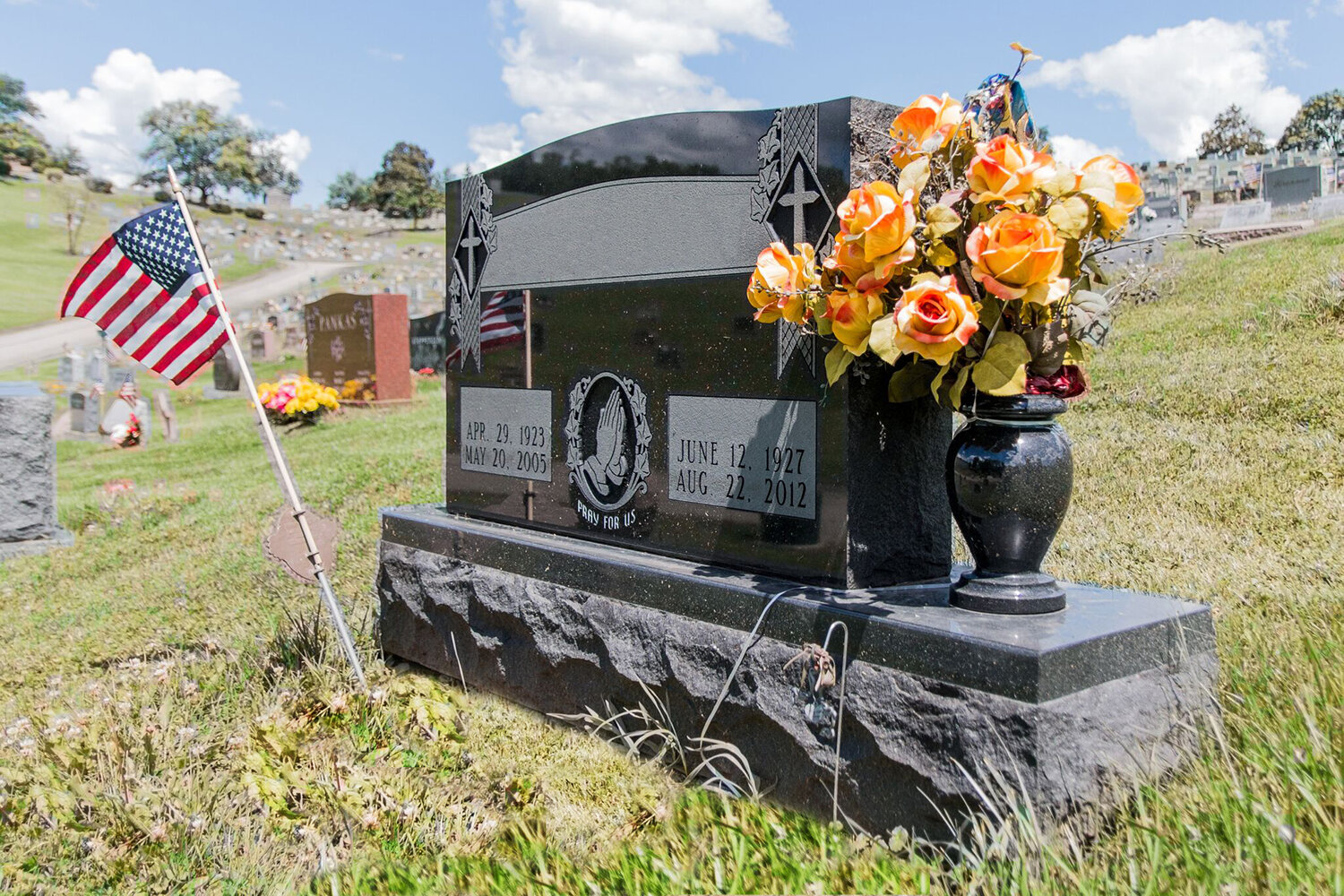
- Grave Marker or Headstone: Typically costs between $500 and $3,000, based on customization and size.
- Burial Vault: Many cemeteries require this outer container for caskets, costing anywhere from $1,000 to $4,000.
- Funeral Home Services: Expect fees of $2,000 to $5,000 for professional service, transportation, and preparations.
- Maintenance Fees: Some cemeteries charge periodic maintenance fees, which can add around $100 to $300 annually.
Summary Table of Additional Costs
| Item | Estimated Cost Range |
|---|---|
| Casket | $1,000 – $10,000 |
| Grave Marker/Headstone | $500 – $3,000 |
| Burial Vault | $1,000 – $4,000 |
| Funeral Home Services | $2,000 – $5,000 |
| Maintenance Fees | $100 – $300 annually |
Each of these items contributes to the overall cemetery cost and can vary widely based on personal choices and local price trends. Being aware of these additional expenses ensures better financial planning for funeral services.
Cremation vs. Burial: Cost Comparisons
When determining cemetery costs in 2026, it’s essential to compare the expenses associated with cremation versus traditional burial. Understanding these differences can help families make informed decisions during a difficult time.
Cost Breakdown
Here’s a simplified comparison of the typical costs involved:
| Expense | Cremation | Burial |
|---|---|---|
| Basic Services | $2,000 – $3,000 | $3,000 – $5,000 |
| Cemetery Plot | Not Applicable | $1,000 – $4,000 |
| Headstone | $500 – $2,500 | $1,000 – $3,000 |
| Total Estimated Cost | $2,500 – $5,500 | $5,000 – $12,000 |
Key Points
- Cremation tends to be less expensive overall due to the absence of a cemetery plot and related burial services.
- Burial costs can dramatically increase based on plot choice, headstone design, and additional services chosen.
Ultimately, considering the cemetery cost for both options can help families navigate their choices effectively while maintaining their budget. Exploring these costs not only reduces financial stress but also ensures that personal wishes are honored.
Trends in Cemetery Expenses Over the Years
Cemetery costs have fluctuated significantly over the years due to various factors such as location, demand, and changes in regulations. Here’s a breakdown of some key trends observed in cemetery expenses:
- Gradual Increase: On average, cemetery costs have risen by approximately 3-5% annually, reflecting inflation and increased land values.
- Urban vs. Rural Areas:
- Urban cemetery costs tend to be higher due to land scarcity. For instance, a cemetery plot in a metropolitan area might range from $2,000 to $10,000.
- In rural areas, plots typically range from $500 to $2,500, showcasing a stark contrast in cemetery costs.
- Cremation Popularity: With a growing preference for cremation, many cemeteries now offer lower-priced alternatives. As a result, families can expect savings of 30-50% compared to traditional burial expenses.
- Additional Fees: Many cemeteries add fees for perpetual care, maintenance, and opening/closing the grave, which families should consider when planning for total cemetery costs.
Being aware of these trends can facilitate better financial planning and prepare families for future cemetery expenses.
Financial Planning for Cemetery Expenses
Planning ahead for cemetery costs is crucial to ensure that families are not burdened with unexpected financial stress during a difficult time. Here are key strategies to effectively manage these expenses:
- Evaluate Expenses: Begin by estimating potential cemetery costs, including:
- Plot price
- Grave markers or headstones
- Maintenance fees
- Burial services (if applicable)
- Create a Budget: Assess your current financial situation and allocate funds. Consider frequent updates to accommodate inflation in the cemetery cost over time.
- Explore Financing Options: Look into various funding methods, such as:
- Pre-need funeral plans that include cemetery costs.
- Setting aside savings specifically for funeral expenses.
- Life insurance policies that can cover funeral costs.
- Consult Professionals: Seek advice from funeral directors or financial planners to navigate cemetery expenses effectively.
By proactively planning for cemetery costs, individuals can ensure a smoother process during a challenging time while easing the financial impact on their loved ones.
Insurance and Funding Options for Funeral Costs
Planning for cemetery costs can be overwhelming, but understanding insurance and funding options can ease the financial burden. Here are some viable strategies to consider:
- Prepaid Funeral Plans: These plans allow individuals to pay for their cemetery costs in advance. By locking in today’s prices, families can safeguard against future price increases.
- Life Insurance: Some life insurance policies can cover cemetery costs. As beneficiaries, families can access funds to pay for funeral and burial expenses directly.
- Funeral Savings Accounts: Setting up a separate savings account dedicated to funeral expenses can also be beneficial. Regular contributions can build a safety net over time.
- State Assistance Programs: Depending on your location, state or municipal programs may offer financial help with cemetery costs.
| Funding Option | Benefits | Considerations |
|---|---|---|
| Prepaid Funeral Plans | Fixed costs, peace of mind | May limit flexibility |
| Life Insurance | Immediate funds, covers various costs | Must stay current on policy payments |
| Funeral Savings Accounts | Control over funds, easy access | Requires diligent saving |
| State Assistance Programs | Potential financial relief | Often income-restricted |
In summary, evaluating different insurance and funding options can substantially alleviate the impact of cemetery costs and contribute to a more thoughtful, organized approach to end-of-life planning.
Frequently Asked Questions
What factors contribute to the rising costs of cemetery services in 2026?
In 2026, the costs of cemetery services have increased due to several key factors including inflation, rising land values, and maintenance expenses. The cost of land in urban areas has surged, leading to higher burial plot prices. Moreover, the overall inflation rate affects service fees, such as those for opening graves, transporting remains, and grave markers. Additionally, cemeteries are investing more in maintenance and beautification efforts to provide a serene environment, which further drives up costs.
How much can one expect to pay for a burial plot in 2026?
In 2026, the price of a burial plot can vary significantly based on location, type of cemetery, and services included. On average, families may expect to pay anywhere from $2,000 to $10,000 for a standard burial plot. Urban cemeteries in high-demand areas can command prices at the higher end of this range, while rural or less sought-after locations may offer more affordable options. It’s essential to research local cemeteries and their respective pricing structures to get an accurate estimate.
What additional costs should families anticipate when planning a burial?
When planning a burial in 2026, families should anticipate several additional costs beyond the burial plot itself. These can include fees for opening and closing the grave, transportation of the deceased, casket purchases, and memorial services. Funeral home services, which often bundle several of these costs, can also add to the overall expense. Other considerations may include headstone or marker purchases and ongoing maintenance fees for the grave site, which can accumulate over time.
Are there any alternative options to traditional burials that may be more cost-effective?
Yes, in 2026, families looking for more cost-effective alternatives to traditional burials have several options. Direct cremation is a popular choice, which involves the cremation process without a formal service beforehand and typically costs significantly less than burial. Additionally, natural or green burials, which often use biodegradable materials and require less land preparation, can also reduce costs. Both alternatives can provide meaningful memorialization while alleviating financial burdens.