Predicting Cemetery Prices for 2026: What to Keep in Mind

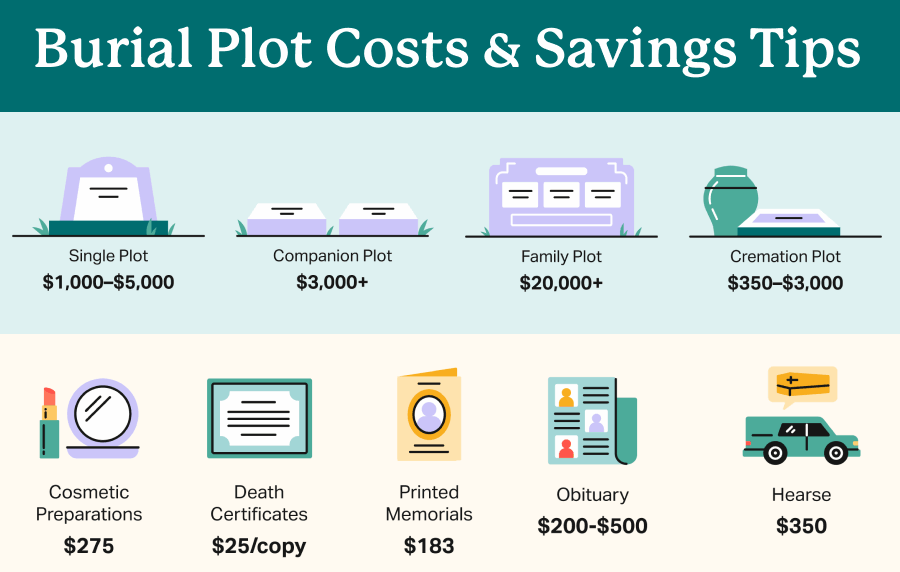

As families plan for the future, understanding cemetery prices becomes increasingly important. With several factors influencing the costs of burial plots and services, anticipating these changes for 2026 can help individuals budget effectively. Historical trends coupled with economic conditions, including inflation, play a significant role in shaping these prices. Additionally, consumer preferences and regional variations add further complexity to the landscape of cemetery pricing. By examining these elements, families can make informed decisions and prepare for the inevitable expenses associated with end-of-life arrangements.
Factors Influencing Cemetery Prices in 2026
Understanding the factors that will affect cemetery prices in 2026 is essential for effective planning. Several key elements will likely influence these costs:
- Location: Cemetery prices vary significantly based on geographical location. Urban areas typically present higher prices due to limited space and increased demand.
- Plot Size: Standard plots may cost less, while larger or premium plots will demand higher prices. Unique features, like scenic views, can also drive up costs.
- Type of Burial: Traditional ground burial tends to be less expensive compared to cremation niches or mausoleum options.
- Maintenance Fees: Some cemeteries charge ongoing maintenance fees, which can add to the overall costs. Be sure to inquire about these fees when comparing cemetery prices.
- Regulatory Changes: Future legislation or changes in land use regulations could significantly impact cemetery pricing.
By keeping these factors in mind, you can make informed decisions about your burial plans and budget for the relevant cemetery prices in 2026.
Historical Trends in Cemetery Pricing
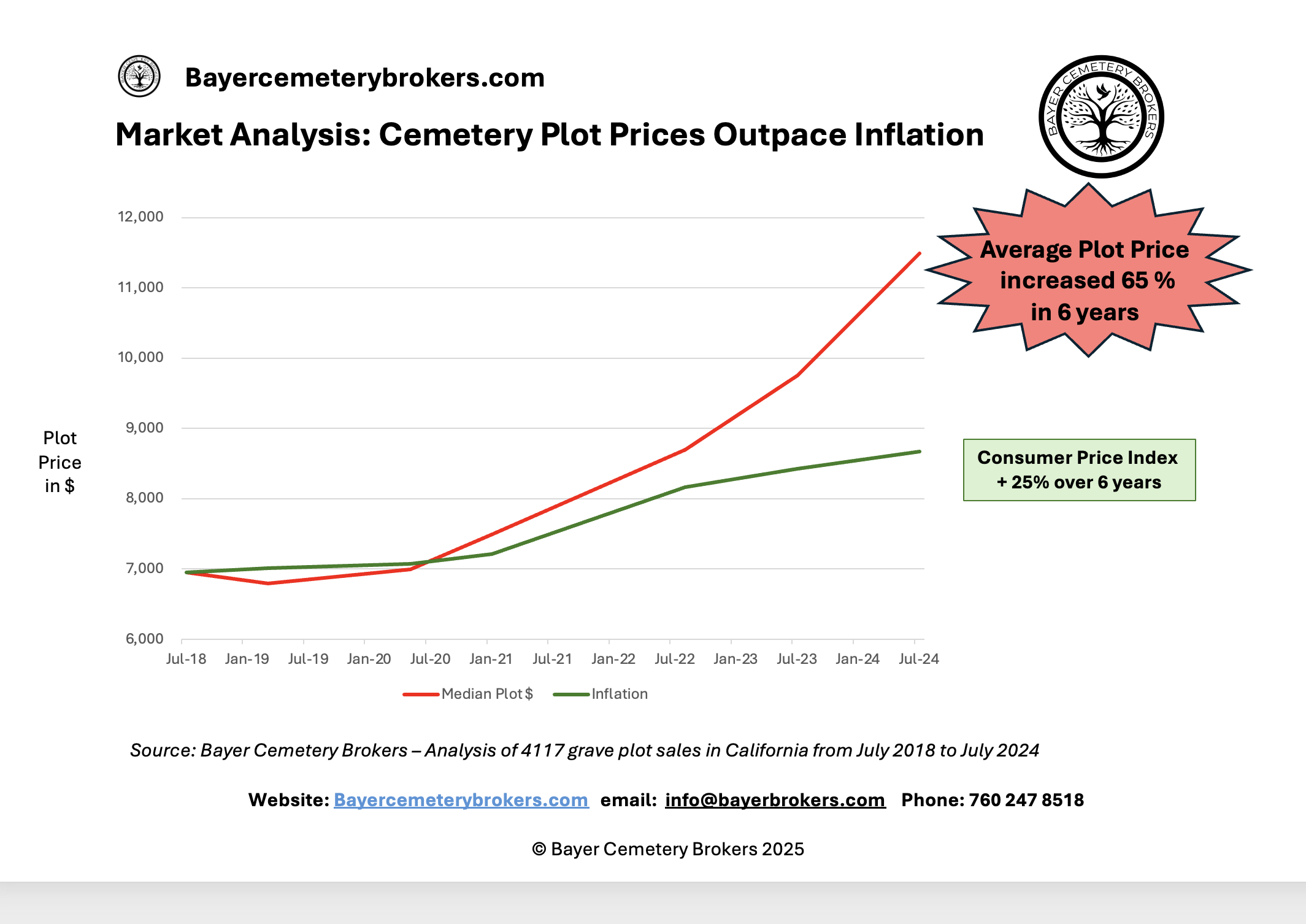
Understanding historical trends in cemetery prices can provide valuable insights for future budgeting. Over the past decades, several factors have influenced the rise or fall of these prices. Here are some key trends to consider:
- Consistent Increase: Cemetery prices have generally trended upwards, influenced by rising land costs and maintenance expenses.
- Regional Disparities: Different regions often experience varying price changes. For example, urban areas tend to have higher cemetery prices compared to rural locations due to land scarcity.
- Market Demand: An increase in demand for burial plots typically leads to higher prices. After major events or demographic shifts, we often see spikes in cemetery prices.
In reviewing historical data from the last two decades:
| Year | Average Cemetery Price (USD) |
|---|---|
| 2000 | $3,000 |
| 2010 | $5,000 |
| 2020 | $7,000 |
With cemetery prices expected to keep rising, keep these trends in mind for effective financial planning.
The Role of Inflation and Economic Conditions
As we look ahead to 2026, understanding the role of inflation and economic conditions becomes essential for predicting future cemetery prices. Several factors contribute to how these external variables influence costs:
- Rising Costs: Inflation typically results in increased prices for goods and services, including cemetery maintenance, staff wages, and land acquisition. Expect cemetery prices to rise accordingly.
- Economic Stability: When the economy thrives, more families may opt for premium burial options, pushing up demand—and prices. Conversely, in economic downturns, consumers may seek more affordable alternatives, impacting pricing dynamics.
- Supply Chain Dynamics: Economic conditions affect material availability. For instance, disruptions in supply chains can elevate the costs of gravestones and burial plots, thereby impacting overall cemetery prices.
To summarize, staying informed about inflation and economic trends will equip families with the necessary insights when budgeting for cemetery prices. This foresight helps families make informed decisions in an ever-evolving market.
Regional Variations in Cemetery Costs
When considering cemetery prices, location plays a vital role. Prices can vary significantly depending on the region, influenced by factors such as land availability, local demand, and community preferences. Here’s a brief overview:
- Urban vs. Rural:
- Urban cemeteries often have higher prices due to limited space and higher demand.
- Rural areas typically offer more affordable options because of abundant land.
- Regional Differences:
Region Average Cemetery Prices ($) Northeast U.S. 10,000 – 15,000 Midwest U.S. 7,000 – 12,000 Southern U.S. 6,000 – 10,000 Western U.S. 8,000 – 14,000 - State Regulations: Different states have various regulations affecting cemetery operations, which can impact overall pricing.
Understanding these regional variations in cemetery prices will help you make informed decisions as you plan ahead for future needs. Always research local options to ensure you receive the best value for your investment.
Consumer Preferences and Trends
As we approach 2026, understanding consumer preferences surrounding cemetery prices becomes increasingly important. Several key trends are shaping how individuals and families make decisions about burial and memorial services:
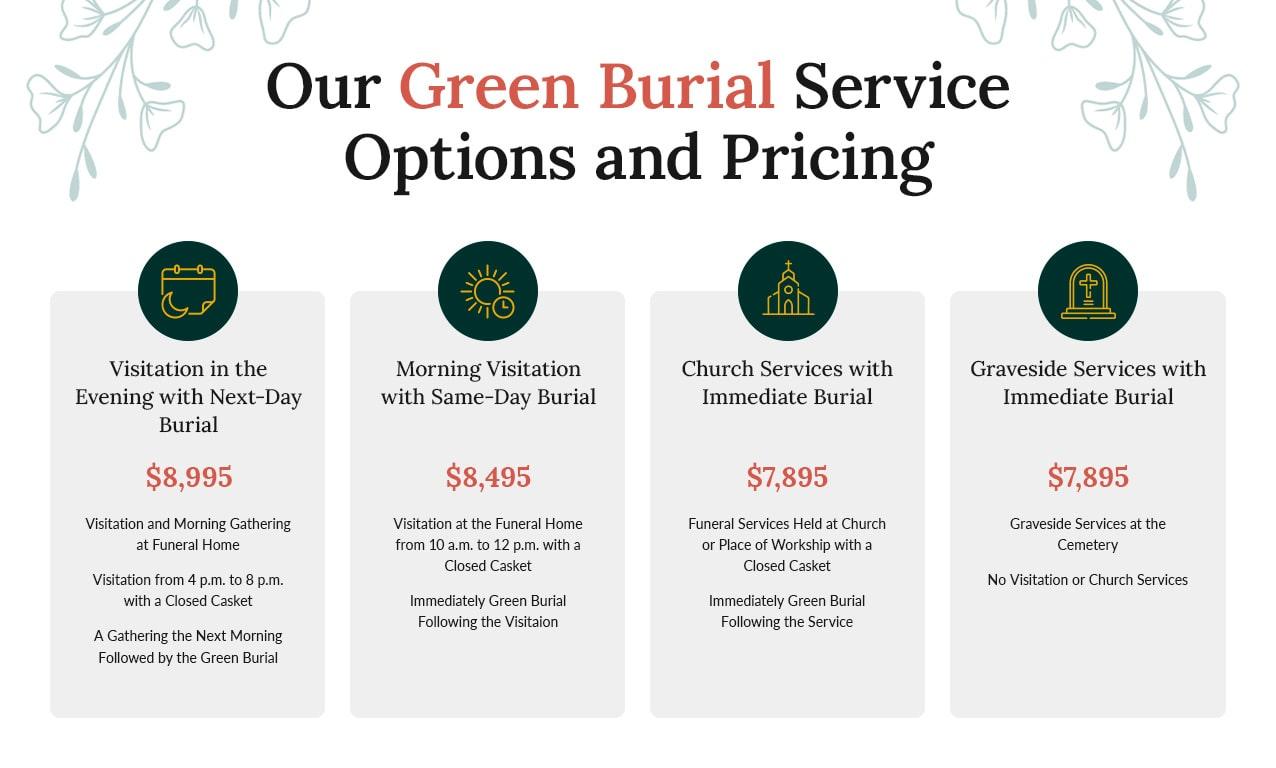
- Eco-Friendly Options: Many consumers now prioritize sustainability, leading to a rise in demand for green burials and biodegradable caskets. Consequently, these options often come with varied cemetery prices that reflect the lower environmental impact.
- Customization: Personalization has become a focal trend. Families seek unique memorial experiences, which can elevate cemetery prices due to bespoke services and memorial products.
- Digital Integration: The integration of technology, such as online memorials and virtual tributes, is increasingly prevalent. Individuals willing to pay a premium for these conveniences can expect fluctuating cemetery prices reflecting modern service innovations.
- Pre-Planning: More consumers are opting for pre-planned arrangements, allowing them to lock in prices today. This strategic decision can help families manage future cemetery prices, ultimately reducing financial burdens later.
By considering these trends, consumers can make informed choices that align with their values and budget as they navigate the future of cemetery prices.
Planning Ahead: Tips for Budgeting Cemetery Expenses
When planning for cemetery expenses, proactive budgeting can significantly alleviate future financial stress. Here are some effective tips to consider:
- Research Cemetery Prices: Start by comparing cemetery prices in your desired location. Understanding regional variations will help you make informed decisions.
- Set a Budget: Determine a specific budget for cemetery-related costs. This should include not only the plot but also maintenance fees, headstones, and other memorial options.
- Consider Pre-Purchase: Locking in cemetery prices now can protect you against future increases. Many cemeteries offer pre-need arrangements at fixed rates.
- Explore Payment Plans: Look for cemeteries that allow installment payment options. This can make budgeting easier and manage costs over time.
- Keep Track of Trends: Stay informed about factors influencing cemetery prices, such as inflation and local economic conditions. Adjust your budget accordingly.
By starting early and making informed choices, you can navigate the complexities of cemetery expenses effectively, ensuring a respectful resting place for your loved ones without overspending.
Frequently Asked Questions
What factors influence cemetery prices in 2026?
Several key factors influence cemetery prices in 2026, including land availability, economic conditions, local demand for burial spaces, and maintenance costs. Additionally, changes in regulations and environmental considerations, such as the impact of climate change on cemetery landscapes, can play a significant role. As urban areas expand and available land becomes scarce, we may see rising prices in metropolitan regions compared to more rural areas, where prices tend to remain stable.
How can I prepare for increasing cemetery costs when planning for the future?
To better prepare for increasing cemetery costs, consider making arrangements early, as prices are likely to rise over the years. Investigate different burial options, including traditional plots and more eco-friendly alternatives like green burials, which may be more cost-effective. Additionally, understand the payment plans or pre-need services offered by local cemeteries, allowing you to lock in current prices and alleviate potential financial burdens in the future.
Are there alternatives to traditional cemeteries that may be more cost-effective?
Yes, there are several alternatives to traditional cemeteries that can be more cost-effective. Options include cremation, which typically incurs lower expenses compared to burial, and memorial gardens, which offer flexible pricing and can provide a more personalized setting. Furthermore, some families opt for home burial or natural burial grounds, which may reduce costs associated with maintenance and grave markers while promoting environmental sustainability.
What should families consider when choosing a cemetery in 2026?
When selecting a cemetery in 2026, families should evaluate several key factors such as location, amenities, prices, and the cemetery’s reputation. Consider proximity to loved ones, the landscape and upkeep of the site, and available services like memorial options and unique tributes. Additionally, it’s essential to assess transparency in pricing and the possibility of future costs, ensuring that the chosen cemetery aligns with both emotional needs and budgetary constraints.