Essential Facts About Burying Ashes in a Cemetery



Burying ashes in a cemetery is a significant decision that honors the memory of a loved one. Understanding the policies and procedures involved is crucial to ensure a respectful and meaningful burial process. This act not only provides a final resting place but also allows families to create a personal connection with their loved one’s memory. Whether you are considering the legalities, choosing the right cemetery, or exploring ways to personalize the burial site, being informed about each aspect can help you navigate this emotional journey with compassion and care.
Understanding the Importance of Cemetery Policies
When considering burying ashes in a cemetery, it’s crucial to understand the specific policies that govern such actions. Cemetery policies ensure that the burial process follows legal and ethical standards, providing a respectful environment for all families involved. Here are key reasons why these policies are vital:
- Compliance with Regulations: Cemeteries often adhere to local laws regarding the burial of ashes. Familiarizing yourself with these regulations helps avoid potential legal issues.
- Space and Location: Each cemetery has designated areas for burying ashes. Understanding these regulations can guide you in selecting the perfect spot for your loved one.
- Maintenance and Care: Policies often outline how the cemetery manages the grounds, ensuring that burial sites remain well-kept and respectful.
- Memorialization Standards: Many cemeteries have guidelines on allowable memorials, helping you personalize the burial site without violating any rules.
In summary, respecting cemetery policies not only streamlines the process of burying ashes but also honors the memories of our loved ones in a dignified manner.
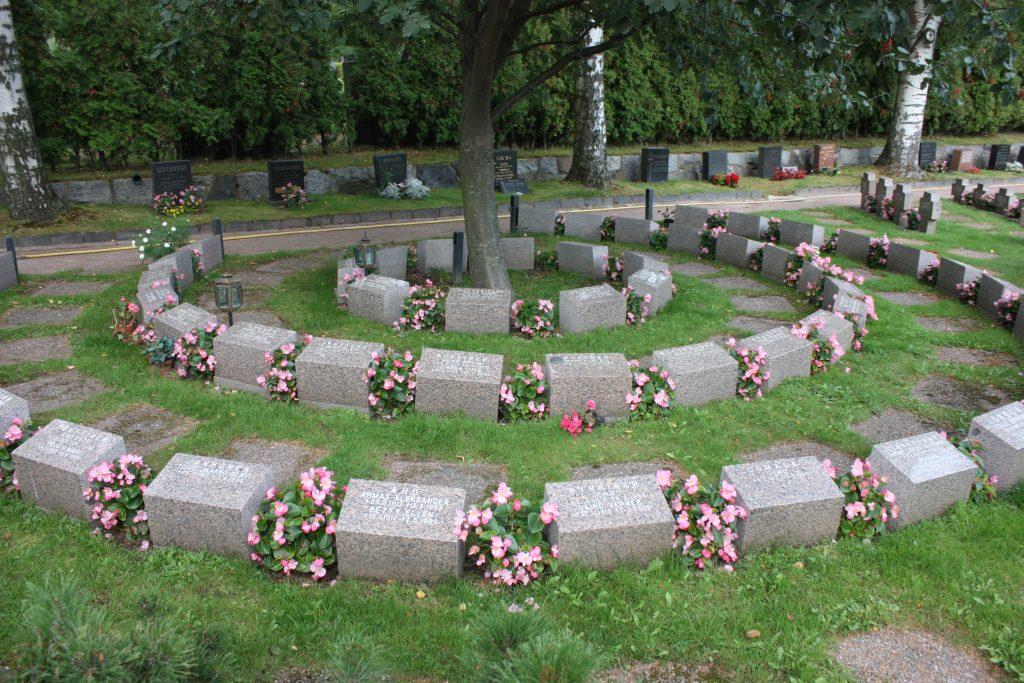
The Process of Burying Ashes: Step-by-Step
Burying ashes is a meaningful way to honor a loved one. Follow these straightforward steps to ensure a respectful and thoughtful process:
- Select the Right Container: Choose a suitable urn or biodegradable container for the ashes. This selection often reflects the personality or interests of the deceased.
- Choose a Cemetery Plot: Contact the cemetery to reserve a plot for burying ashes. Ensure the chosen location aligns with your family’s wishes and any cemetery policies.
- Schedule the Burial: Coordinate with the cemetery staff to set a date and time for the burial. They can provide guidance throughout the process, making it seamless.
- Prepare the Site: The cemetery staff will assist in preparing the burial site, including digging a suitable hole for the ashes.
- Conduct the Burial Ceremony: Gather family and friends for a small ceremony. This could include sharing memories or placing flowers on the burial site.
- Finalizing the Burial: Once the ashes are placed, the cemetery team will securely cover the ashes with soil, ensuring a respectful resting place.
By adhering to these steps, you create a meaningful experience when burying ashes, allowing for a beautiful remembrance of the departed.
Choosing the Right Cemetery for Ashes
When it comes to burying ashes, selecting the appropriate cemetery plays a crucial role in honoring your loved one. Here are key factors to consider:
- Cemetery Policies: Different cemeteries have varying rules regarding the burial of ashes. Ensure the cemetery allows cremated remains and inquire about space availability.
- Location: Choose a cemetery that is accessible for family and friends. This ensures easy visits and encourages a meaningful connection to the burial site.
- Memorial Options: Many cemeteries provide a variety of memorial options for ashes, such as:
- Niches: Ideal for above-ground placement in a columbarium.
- Burial Plots: Traditional ground burial offering a physical location for remembrance.
- Scattering Areas: Dedicated spaces where families can scatter ashes, allowing for a natural setting.
- Cemetery Reputation: Research the cemetery’s history and reputation. Feedback from other families can guide your choice.
By carefully considering these aspects, you can make an informed decision that reflects love and respect for the individual whose ashes you wish to bury.
Legal Considerations When Burying Ashes
When considering burying ashes, it’s crucial to understand the legal landscape surrounding this sensitive act. Here are some key factors to keep in mind:
- Cemetery Regulations: Each cemetery follows specific guidelines for burying ashes. Ensure you familiarize yourself with these rules, as they can vary widely. Some cemeteries may require a designated area for cremated remains.
- Authorization: Generally, you need permission from the deceased’s legal representative or family members. This authorization is essential when burying ashes to prevent legal disputes.
- Local Laws: Check local and state laws regarding the burial of ashes. Certain regions may have restrictions on the types of containers used or the depth at which ashes should be buried.
- Interment Rights: When burying ashes, confirm that you have the right to use the chosen burial site. This often involves purchasing a plot or a niche.
In conclusion, understanding the legal considerations is vital for a respectful and compliant process when burying ashes. By doing your due diligence, you can ensure a smooth and meaningful experience.
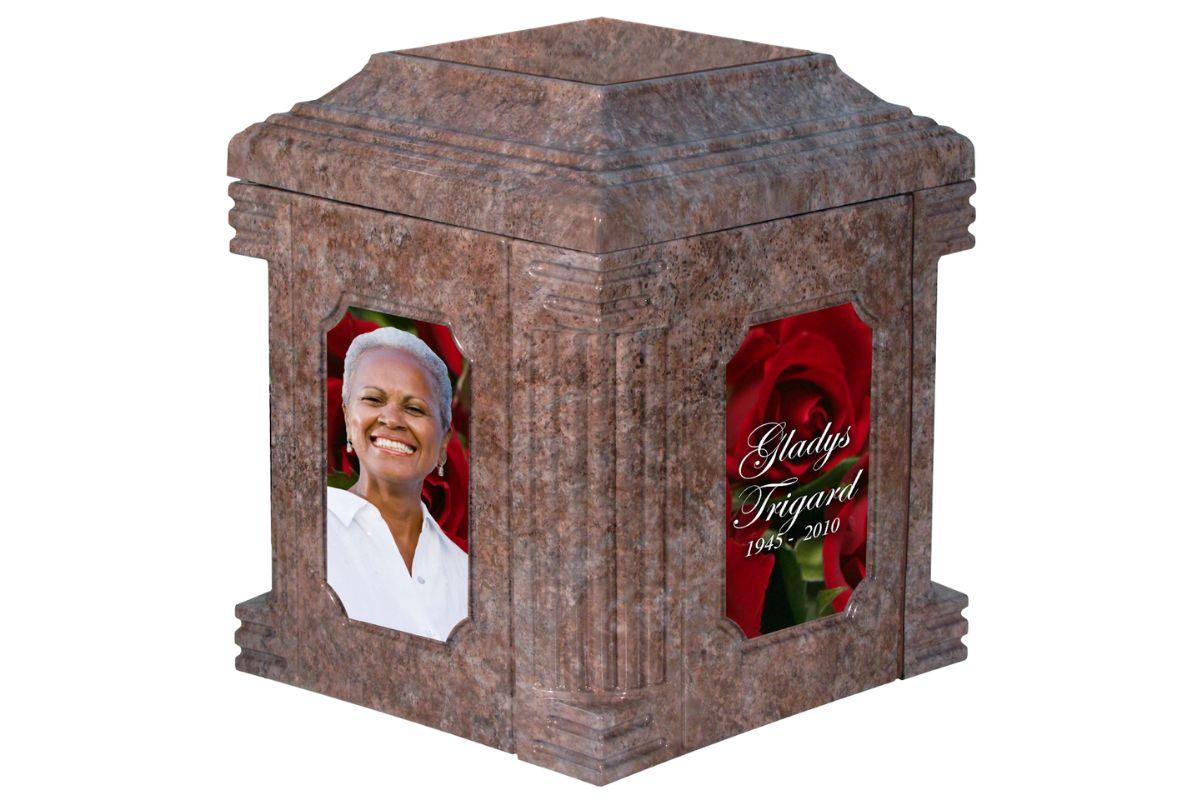
Personalizing the Burial Site: Memorial Options
When it comes to burying ashes, personalizing the burial site can provide a meaningful way to honor a loved one. A customized memorial not only commemorates their life but also creates a unique space for reflection. Here are some popular options to consider:
- Memorial Stones: Engraved stones can serve as a tangible marker, displaying the name, dates, and a personal message.
- Plant a Tree: Planting a tree or shrub at the burial site can symbolize life and growth, providing a living tribute.
- Bench or Seating Area: Installing a bench allows family and friends to spend time at the site, fostering connection and remembrance.
- Floral Arrangements: Seasonal flowers or potted plants can be added to keep the site vibrant and inviting.
- Decorative Fencing: Consider using a decorative fence to create a distinctive boundary, giving the area an intimate feel.
By thoughtfully choosing how to personalize the burial site, families can significantly enhance the experience of burying ashes. These memorial options serve not only as a tribute but also as a comforting space for loved ones to gather and remember.
Emotional Aspects of Burying Ashes in a Cemetery
Burying ashes in a cemetery embodies a profound emotional journey for many families. This act often serves as a final tribute, allowing loved ones to honor and remember their deceased in a significant way. Here are some key emotional aspects to consider:
- Closure: Establishing a burial site helps families find closure. It gives them a dedicated space to reflect on their loved one’s life.
- Connection: Burying ashes creates a physical connection to the deceased. Visiting the site fosters an ongoing relationship, serving as a place for remembrance.
- Ritual and Ceremony: The act often involves a ceremony, bringing family and friends together. This communal support can alleviate feelings of loneliness during grief.
- Legacy: Choosing a cemetery for burying ashes signifies the legacy you leave. It becomes a sacred spot for future generations to visit, preserving memories.
Ultimately, home-like dedication to burying ashes in a cemetery ensures that the memory of your loved one continues to thrive amidst serene surroundings.
Frequently Asked Questions
What is the process for burying ashes in a cemetery?
Burying ashes in a cemetery typically involves a few important steps. First, you need to research the specific cemetery’s regulations regarding cremation burials, as policies may vary. After selecting a plot, you may need to purchase the right to that gravesite and ensure that you have the necessary permits. Once these formalities are in place, you can schedule a burial service where the ashes are usually placed in a biodegradable urn or directly into a designated area. Family and friends often gather for a ceremonial farewells, making this a meaningful final tribute.
Are there any regulations or restrictions for burying ashes in a cemetery?
Yes, there are often specific regulations or restrictions when it comes to burying ashes in a cemetery. These rules can differ significantly from one cemetery to another and may include requirements for the type of urn used, the depth and size of the burial site, and the specific areas designated for cremated remains. Some cemeteries may not allow ashes to be scattered on the property, while others may limit the number of urns that can be buried in a single plot. It is advisable to contact the cemetery administration for detailed guidelines to ensure compliance with their policies.
Can family members attend the burial of ashes in a cemetery?
Absolutely, family members and friends are typically encouraged to attend the burial of ashes in a cemetery. This often serves as a poignant opportunity for loved ones to say their final goodbyes and celebrate the life of the deceased. The burial can be a private affair or a more public gathering, depending on the wishes of the deceased and their family. Some families choose to hold a formal ceremony that includes readings, prayers, or personal tributes, while others may opt for a simple, intimate service.
What options are available for memorialization after burying ashes?
After burying ashes in a cemetery, there are several options for memorialization available to individuals and families. Many cemeteries offer personalized headstones or markers that can include the deceased’s name, dates of birth and death, along with special symbols or messages. Additionally, some families may choose to plant a tree or dedicate a garden area in memory of their loved one. Engraved plaques, benches, or memorial stones can also be arranged to honor their memory, offering a lasting tribute for visitors to reflect upon.


