2026 Cemetery Prices: What Families Should Expect

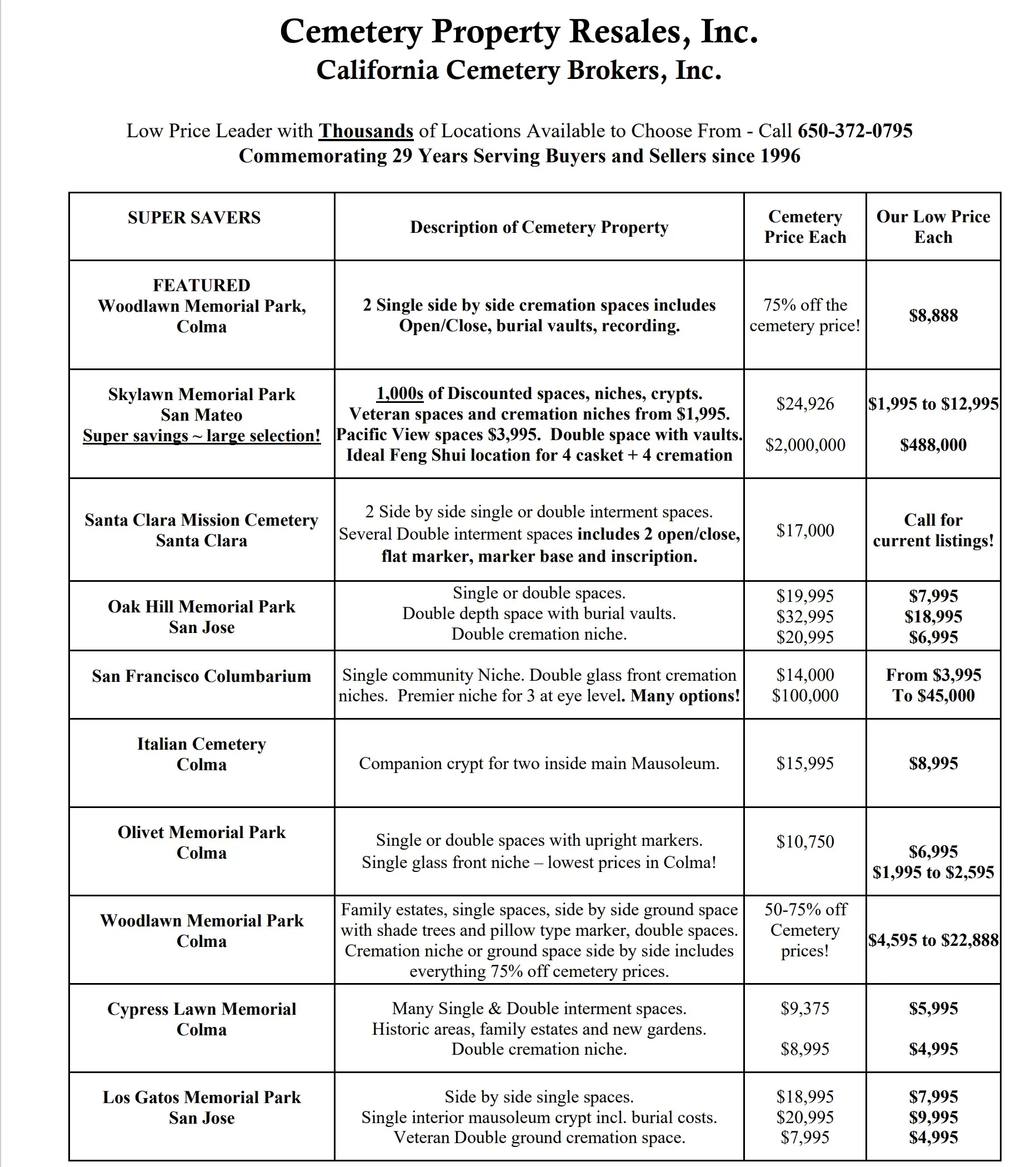

As families prepare for end-of-life arrangements in 2026, understanding cemetery prices is essential for effective planning. Various factors, including location, type of burial or cremation, and additional fees, contribute to the overall costs associated with final resting places. This blog post will explore the average expenses families can expect, insights into traditional versus green burials, and practical tips for budgeting. By being informed, families can navigate cemetery pricing and make choices that honor their loved ones while staying within their financial means.
Factors Influencing Cemetery Prices in 2026
Understanding cemetery prices in 2026 involves several key factors that can significantly affect costs. Here are the primary influences families should consider:
- Location: Cemetery prices vary widely based on geographical area. Urban locations typically charge more due to higher demand and limited space.
- Type of Burial: Traditional burials often cost more than cremation. Factors such as the cost of a casket, burial plot, and services can drive prices up significantly.
- Service Packages: Many cemeteries offer packages that can include various services, such as maintenance or memorial services. It’s wise to compare these offers to gauge the best value.
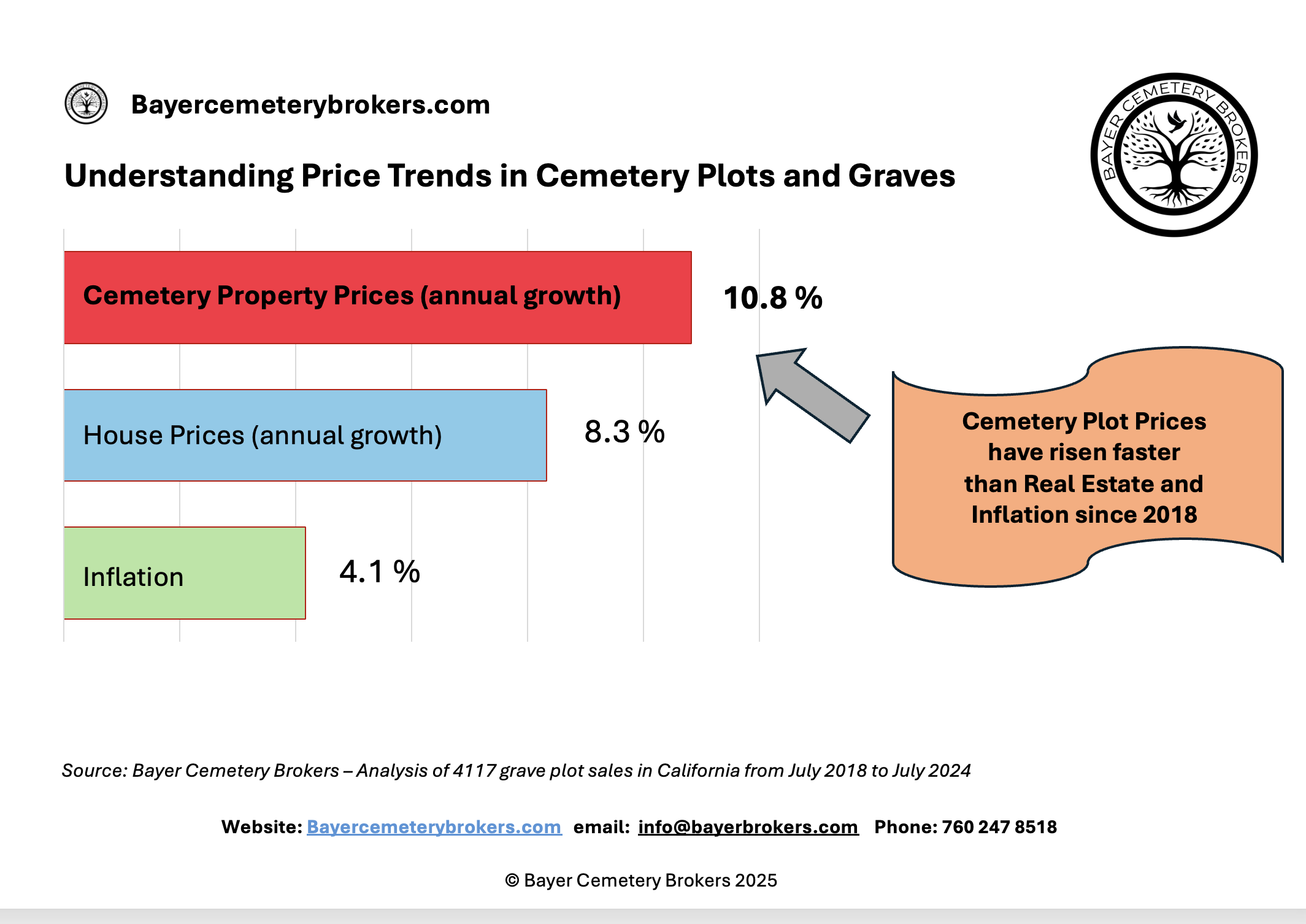
- Market Trends: Economic conditions can affect cemetery prices. For example, inflation or rising property values may lead to increased costs of plots and services.
- Regulations: Changes in local laws regarding burial practices or environmental regulations (like green burials) can also influence aggregate costs.
By understanding these factors, families can better navigate cemetery prices and make informed decisions.
Average Costs of Burial and Cremation Services
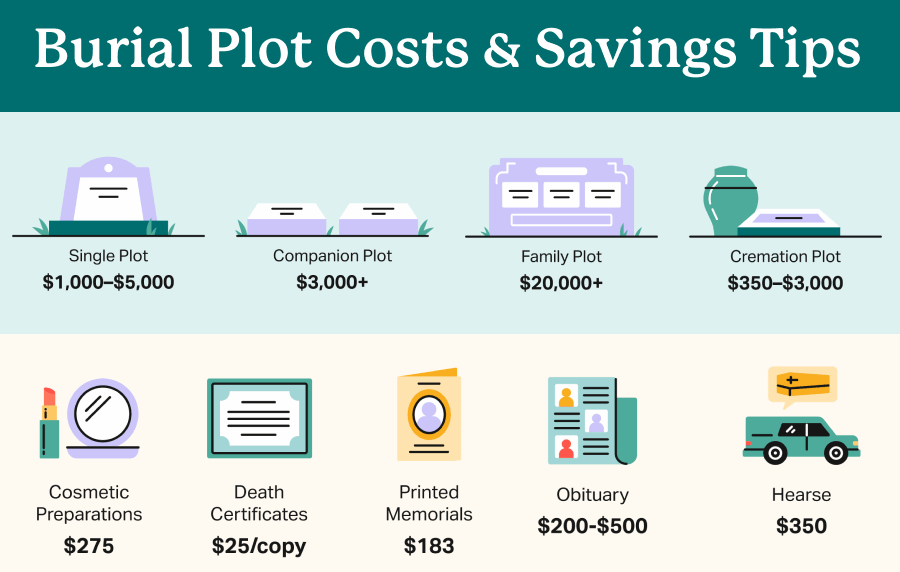
When planning for end-of-life services, understanding cemetery prices is crucial. In 2026, families can expect varying costs for burial and cremation services. Here’s a breakdown of the average expenses you may encounter:
Average Costs:
- Burial Services:
- Traditional Burial: $7,000 – $12,000
- This typically includes the cost of the grave, casket, and basic services.
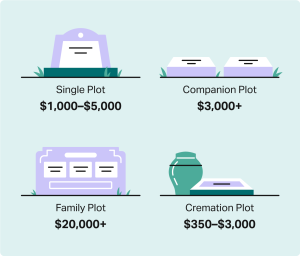
- Grave Plot: $1,000 – $4,000
- Prices vary based on location and cemetery type.
- Traditional Burial: $7,000 – $12,000
- Cremation Services:
- Direct Cremation: $2,000 – $4,000
- A cost-effective option without a formal service.
- Cremation with Ceremony: $4,000 – $8,000
- Includes memorial services and additional amenities.
- Direct Cremation: $2,000 – $4,000
Summary Table of Average Costs:
| Service Type | Cost Range |
|---|---|
| Traditional Burial | $7,000 – $12,000 |
| Direct Cremation | $2,000 – $4,000 |
| Cremation with Ceremony | $4,000 – $8,000 |
Families should consider these cemetery prices when budgeting for final expenses, as well as their personal preferences and the services they wish to include.
Additional Fees Families Should Consider
When planning for end-of-life services, it’s essential to consider that cemetery prices extend beyond simple plot purchases. Families should be aware of various additional fees that can significantly impact their overall budget. Here are some key considerations:
- Opening/Closing Fees: Most cemeteries charge for opening and closing the grave, which can range from $200 to $1,000 depending on the location.
- Maintenance Fees: Cemeteries often charge an annual maintenance fee, generally between $50 and $300, to ensure the upkeep of gravesites.
- Marker Installation Fees: The cost for headstone installation can vary widely, typically ranging from $500 to $3,000, depending on the materials and design.
- Cemetery Services: Some cemeteries provide additional services like flowers or grave decorations, usually for an extra fee.
- Legal and Administrative Costs: Don’t overlook potential legal fees and administrative costs associated with burials and plots.
By carefully considering these cemetery prices, families can prepare better and avoid potential unexpected expenses during a challenging time.
Comparing Traditional vs. Green Burials
When considering cemetery prices, families often face the choice between traditional and green burials. Understanding the differences can help you make an informed decision.
Traditional Burials:
- Cost Range: Typically range from $7,000 to $12,000, including the grave plot, casket, and other services.
- Emphasis: Traditional burials often involve embalming, a concrete vault, and elaborate casket materials.
- Long-Term Impact: These burials impact the environment due to the use of chemicals and non-biodegradable materials.
Green Burials:
- Cost Range: Generally costs between $2,000 and $5,000, making them a cost-effective alternative.
- Emphasis: Focus on sustainability, utilizing biodegradable caskets and natural grave markers.
- Long-Term Impact: Green burials promote conservation and allow the body to decompose naturally, enriching the soil.
Comparison Table:
| Type of Burial | Average Cost | Environmental Impact |
|---|---|---|
| Traditional Burial | $7,000 – $12,000 | High |
| Green Burial | $2,000 – $5,000 | Low |
In conclusion, while traditional burials often carry higher cemetery prices, green burials present a sustainable and economical option for families.
Location’s Impact on Cemetery Pricing
When planning for a loved one’s final resting place, the location significantly influences cemetery prices. Here are some key insights:
- Urban vs. Rural:
- Urban cemeteries tend to charge higher prices due to increased demand and limited space.
- Rural areas often offer more affordable options.
- Regional Variations:
- Regions with higher costs of living, such as metropolitan areas, usually see elevated cemetery prices compared to rural regions.
- States with higher real estate values may also have pricier cemeteries.
- Accessibility:
- Locations that are easily accessible or have scenic views might carry premium fees for plots.
- Conversely, plots in less desirable locations, like those farther from the main entrance, may be more economical.
In summary, understanding how location affects cemetery prices can help families make informed decisions when selecting a burial site. By comparing options from various areas, families can better manage their budgets while honoring their loved ones.
Tips for Budgeting and Planning for Cemetery Expenses
Planning for cemetery expenses can be overwhelming, but with a structured approach, families can navigate the financial aspects more easily. Here are some effective tips to consider:
- Research and Compare: Start by researching various cemeteries in your area. Compare cemetery prices to get an idea of the average costs for burial and cremation services.
- Set a Budget: Establish a clear budget based on your family’s financial situation. Remember to factor in additional fees, such as service charges or maintenance costs.
- Discuss Options: Have open discussions with family members about preferences for burial or cremation. This can help in making informed decisions that align with both budget and values.
- Plan Ahead: Consider pre-planning cemetery arrangements. Many cemeteries offer financing options that can ease immediate financial burdens.
- Explore Discounts: Don’t hesitate to ask about discounts for veterans or for purchasing multiple plots.
By implementing these tips, families can better manage their budget and make informed decisions about cemetery prices without added stress.
Frequently Asked Questions
What factors influence cemetery prices in 2026?
Cemetery prices in 2026 are influenced by various factors including location, the type of burial (traditional vs. cremation), the demand for cemetery plots, and the amenities offered by the cemetery such as maintenance services, memorial options, and landscaping. Additionally, inflation and economic conditions can also impact the overall pricing structure in the funeral industry. Families should consider these factors while planning to understand the potential costs they may incur.
Are there financing options available for purchasing cemetery plots?
Many cemeteries understand that the cost of burial and related expenses can be overwhelming, and they often offer financing or payment plans to help families manage these costs. Financing options may include installment plans that allow families to pay over time, or having a contract that locks in current prices. It’s advisable to check with the specific cemetery regarding the financing options available and ensure clarity on any terms and conditions associated with such plans.
What is included in the cost of a cemetery plot?
The cost of a cemetery plot typically includes the purchase of the plot itself, rights to burial, and can include initial maintenance and upkeep of the grave site. Some cemeteries may also bundle additional services such as a basic headstone, perpetual care, or access to the facilities, which can affect the overall price. It’s important for families to inquire about all costs included in the purchase to avoid unexpected expenses later on.
How can families plan for cemetery expenses ahead of time?
Planning for cemetery expenses ahead of time can alleviate financial stress for families. It is recommended to discuss funeral preferences and financial options with family members early on, consider pre-purchase options for cemetery plots, and explore various funeral homes and cemeteries to compare prices and services. Additionally, setting aside a designated savings fund for funeral and cemetery expenses can help ensure that funds are available when needed.