Exploring Unique Grave Features for 2026

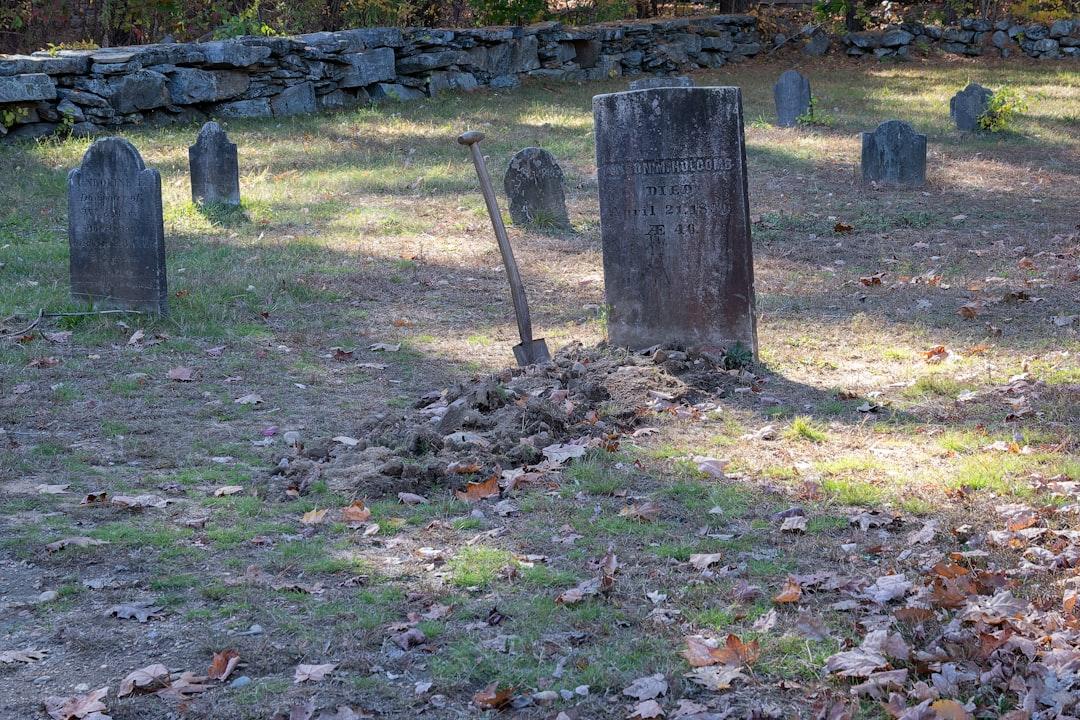

As we look ahead to grave 2026, the evolution of burial practices and grave features continues to captivate our interest. Understanding the historical significance of various grave markers reveals how cultural representations have shaped our perceptions of death and remembrance. This blog post will explore innovative designs emerging in modern grave markers, the importance of sustainability in burial options, and how technology is enhancing the maintenance of these final resting places. Join us on this journey as we uncover the unique elements that will define graves in the upcoming year.
Historical Significance of Grave Features
Grave features have always held profound historical significance, reflecting cultural values, beliefs, and societal changes over time. Understanding these features provides insights into human traditions and context.
- Cultural Reflection: Throughout history, various civilizations have applied distinctive styles and materials to graves. For example, the Egyptians used intricate hieroglyphics and monumental structures to honor their deceased, while the Victorians gravitated towards elaborate gravestones symbolizing love and remembrance.
- Symbolism: Grave markers often symbolize the values and beliefs of a community. Features such as crosses, angels, or even unique engravings tell stories about the deceased and the afterlife beliefs of their culture. This trend will likely evolve in grave 2026, reflecting modern values while respecting historical roots.
- Memorialization: The act of commemorating the dead serves both personal and communal purposes. It allows families to remember loved ones while providing communities with a shared space of reflection.
- Evolution of Materials: From ancient stone markers to contemporary biodegradable options, the materials used in grave features reveal technological advancements and environmental considerations, which we should expect to see progress further in grave 2026.
Understanding the historical significance of grave features enlightens us about our past, paving the way for innovative and respectful memorial practices in the future.
Innovative Designs in Modern Grave Markers
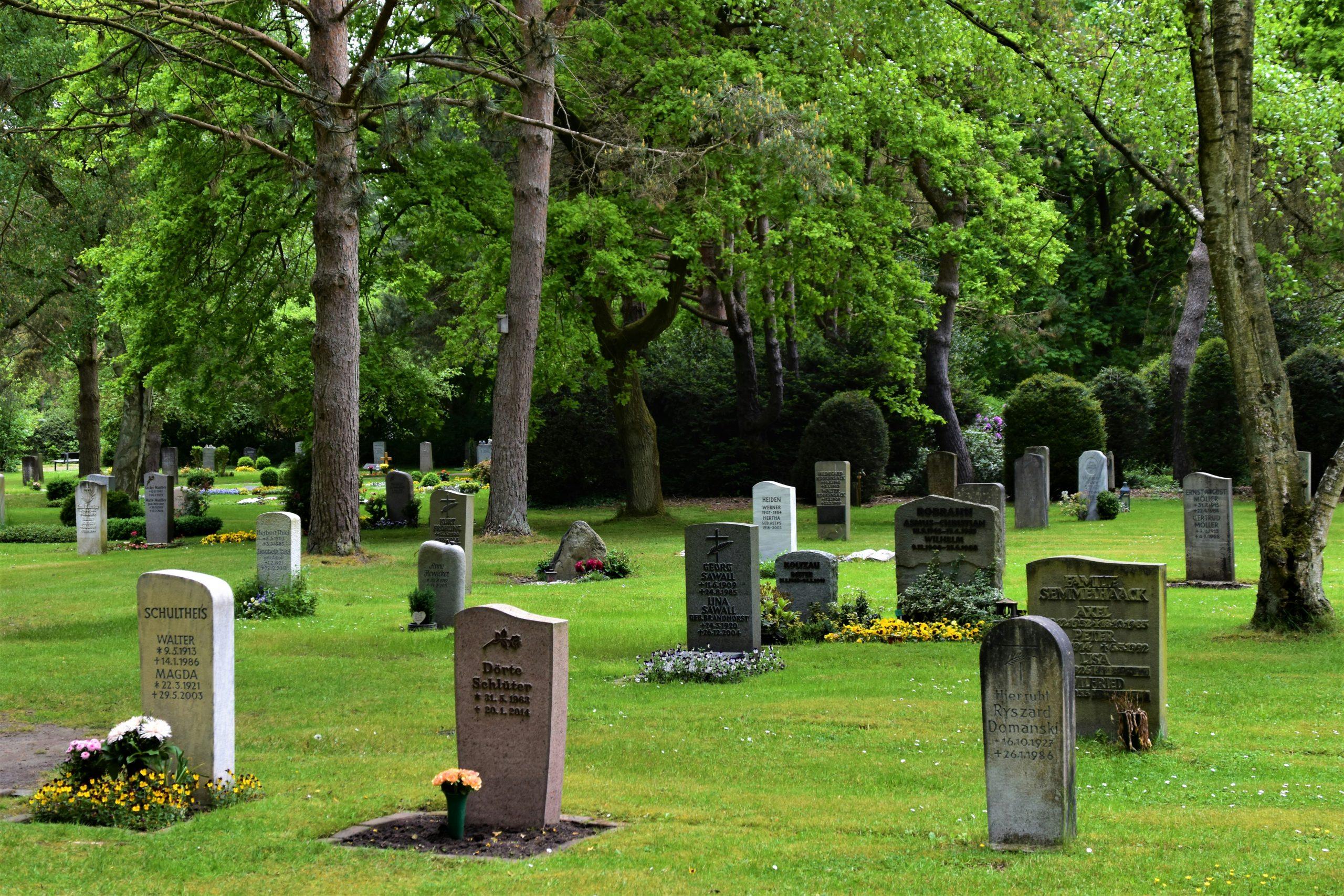
As we look towards grave 2026, the evolution of grave markers highlights a shift towards innovative and personalized designs. Modern grave markers are no longer simply functional; they have transformed into art pieces that reflect the individual’s life and passions. Here are some key trends shaping this unique landscape:
- Personalization: Families increasingly opt for custom designs that incorporate personal symbols, quotes, or even images. This customization can take the form of engravings or integrated digital features like QR codes that lead to online memorial pages.
- Sustainable Materials: Eco-friendly materials such as bamboo, recycled metals, and natural stone are gaining popularity. These options not only reduce environmental impact but also align with growing consumer preferences for sustainability.
- Technological Integration: Smart technology is finding its way into grave markers. Innovations such as solar-powered lights and integrated sound systems allow loved ones to create a more interactive space of remembrance.
- Artistic Expressions: From sculptures to intricate mosaics, artistic grave markers have become a canvas for self-expression. Some families choose to work with local artisans to craft unique pieces, blending artistry with memorialization.
In summary, the innovative designs in modern grave markers reflect a departure from traditional norms, focusing on personalization, sustainability, technology, and artistic expression—all critical elements contributing to the evolution of grave 2026.
Cultural Representations in Burial Practices
As we approach grave 2026, cultural representations in burial practices continue to evolve, reflecting the diverse beliefs and traditions of societies worldwide. Each culture integrates unique elements into their graves, which often serve as a medium for expressing identity, religion, and historical context.
Here are some notable cultural representations seen in modern burial practices:
- Symbolism: Different cultures employ various symbols on grave markers. For instance, crosses represent Christianity, while the Star of David signifies Judaism. These symbols hold significant emotional and spiritual meaning.
- Materials Used: The choice of materials also varies by culture. In some regions, ornate stone carvings depict familial lineage or important life events. In contrast, in other cultures, biodegradable materials reflect a return to nature, demonstrating respect for the Earth.
- Ritual Practices: Ceremonial practices associated with burials differ greatly. For example:
- African Traditions: These often involve vibrant celebrations, music, and communal meals, recognizing life rather than mourning.
- Asian Customs: Many Asian cultures prioritize ancestor worship, employing intricate offerings at gravesites to honor the deceased.
These cultural elements not only enhance the aesthetic of a grave but also enrich the narrative of the individual buried there. As we look ahead to grave 2026, understanding these cultural representations fosters respect and appreciation for diverse burial traditions.
Sustainable Burial Options and Eco-Friendly Features
As we approach grave 2026, the demand for sustainable burial options continues to grow. Eco-conscious individuals seek alternatives that honor loved ones while minimizing environmental impact. Here are some innovative options gaining popularity:
- Biodegradable Caskets: Made from sustainable materials like bamboo, wicker, or recycled paper, these caskets decompose naturally, reducing environmental footprint.
- Natural Burial Grounds: These dedicated sites allow for burials without the use of traditional embalming fluids or concrete vaults. Bodies are placed directly in the earth, promoting a return to nature.
- Tree-Friendly Burials: Some options include using capsules that decompose and nurture a growing tree, effectively turning the burial site into a living memorial.
- Ashes into Art: Cremated remains can be transformed into eco-friendly memorials, such as glass sculptures or coral reefs, helping to offset the loss of marine life.
Benefits of Sustainable Options
| Feature | Traditional Burial | Eco-Friendly Burial |
|---|---|---|
| Environmental Impact | High | Low |
| Cost | Often expensive | Generally more affordable |
| Decomposition | Slow, due to chemicals | Quick, natural process |
| Land Use | Requires significant space | Minimal land impact |
In conclusion, as we consider grave 2026, sustainable burial options present a compassionate and environmentally sound way to honor those who have passed. By embracing these eco-friendly features, we can contribute to a more sustainable future.
Technological Advancements in Grave Maintenance
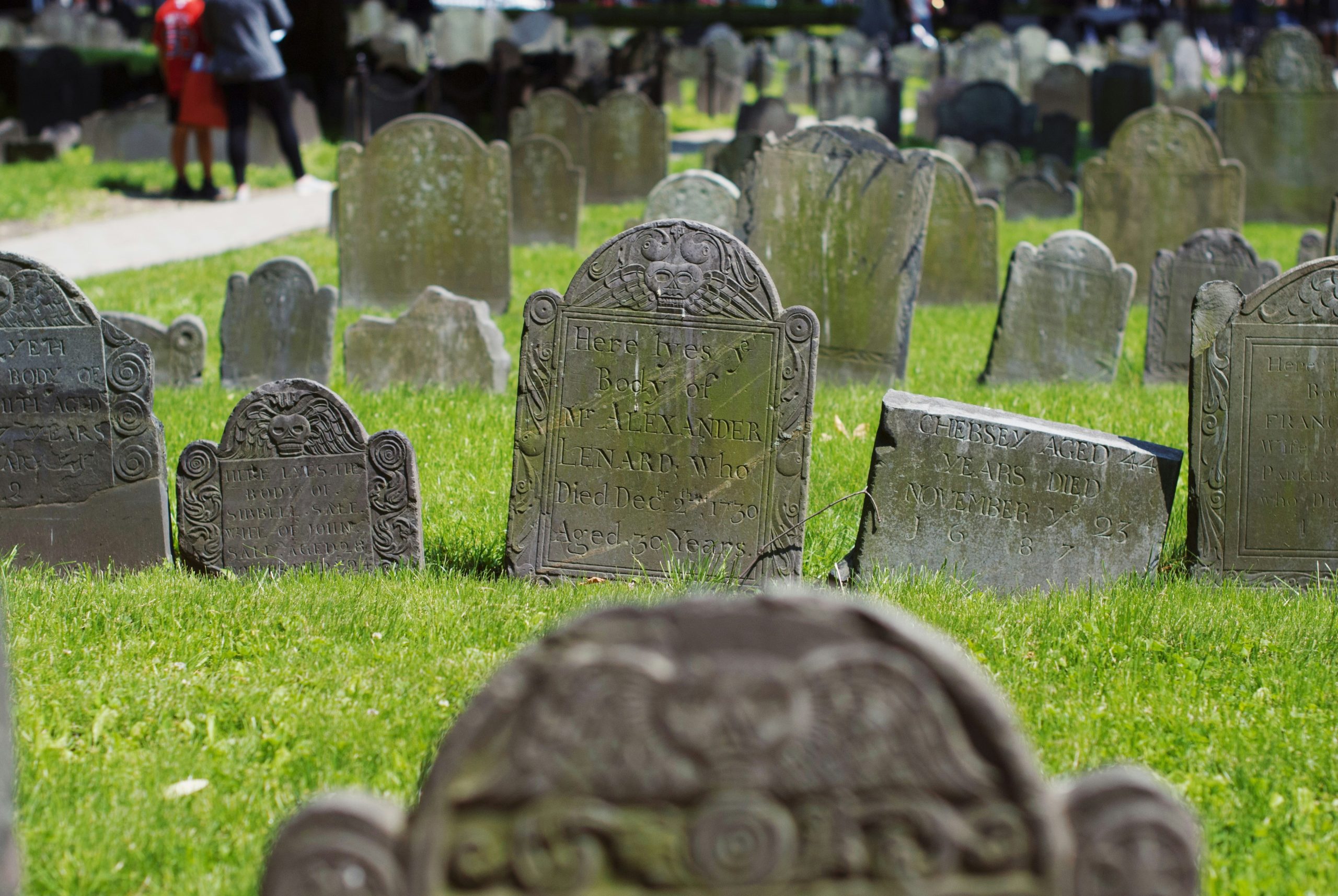
As we look ahead to the grave 2026, technological advancements are significantly reshaping how we maintain and honor burial sites. Modern tools and innovations are enhancing the preservation of graves, making them more enduring and respectful. Here are some noteworthy advancements:
- Drones: Drones equipped with cameras are revolutionizing grave maintenance. They can survey large cemeteries quickly, identifying areas that require attention or restoration.
- Smart Sensors: Embedded sensors in grave markers monitor soil conditions, moisture levels, and even structural integrity, sending alerts to caretakers when maintenance is necessary.
- Robotic Lawn Care: Robots designed for landscape maintenance ensure that grass and surrounding vegetation remain neat and tidy. These devices reduce labor costs and preserve the aesthetic appeal of grave sites.
- LED Lighting: Solar-powered LED lights can illuminate graves, enhancing visibility while also being energy efficient. These lights allow families to visit sites after dark, fostering connections beyond daylight hours.
Comparison Table
| Technology | Benefits | Cost Implication |
|---|---|---|
| Drones | Quick surveys and damage assessment | Initial investment, potential long-term savings |
| Smart Sensors | Real-time monitoring | Moderate installation cost |
| Robotic Lawn Care | Consistent maintenance | Potential cost savings in labor |
| LED Lighting | Improved site accessibility | Low operating costs |
As we approach grave 2026, these advancements not only ensure better maintenance practices but also foster a deeper connection between families and their loved ones, honoring memories in innovative ways.
Frequently Asked Questions
What are some unique grave features emerging in 2026?
In 2026, there are several unique grave features that are gaining popularity, reflecting the diverse ways families honor their loved ones. One notable trend is the inclusion of eco-friendly burial options, such as biodegradable burial pods. Additionally, personalized QR codes that link to digital memorials are being used to give visitors access to an online tribute. Intricate stone carvings and living murals are also becoming symbols of individual stories, ensuring that each grave tells a distinctive tale.
How do craftspeople ensure the personalization of grave markers?
Craftspeople often collaborate closely with families to personalize grave markers, ensuring each piece reflects the deceased’s personality or heritage. This process includes custom engravings, unique shapes, and meaningful symbols that hold significance for the family. They also utilize various materials, from traditional granite to more contemporary options like glass or even wood, which can be tailored to the unique wishes of the family, embodying personal tastes and family history.
Are there sustainable options for grave decorations?
Yes, sustainable options for grave decorations are increasingly available, especially as more people seek environmentally friendly practices. Families can choose organic materials for mementos, such as flowers and arrangements made from ethically sourced products. Living plants that can thrive in the local ecosystem are also popular choices, promoting biodiversity and reducing waste. Solar-powered lanterns and recycled materials for decorations are another sustainable trend that adds beauty while being kind to the planet.
What role do technology and innovation play in modern grave sites?
Technology and innovation play a significant role in shaping modern grave sites, enhancing both memorialization and visitor experience. Features such as augmented reality can allow visitors to interact with stories or memories associated with the deceased. Moreover, smart grave markers equipped with sensors provide real-time data to caretakers about maintenance needs, ensuring that graves are well-kept. As virtual memorial visits become more common, digital features are becoming integral to how people celebrate and remember their loved ones.
How can families choose a meaningful location for a grave site?
Choosing a meaningful location for a grave site is a deeply personal decision that often reflects the deceased’s wishes and family values. Families should consider locations that were significant to the individual, such as a favorite park, beach, or a scenic area with deep emotional ties. Additionally, accessibility for family and friends to visit and the surroundings—like nature or community spaces—can enhance the memorial experience, providing comfort and connection to the memory of their loved one.


