The Evolution of Grave Trends in 2026



As we approach grave 2026, the evolution of grave trends becomes a fascinating exploration of how societal values and technological advancements have reshaped our understanding of commemoration. Historical context reveals the deep-rooted customs that have influenced burial practices over centuries. However, the landscape is rapidly adapting, from innovative technologies that offer new ways to memorialize the departed to cultural shifts that redefine our rituals. Additionally, environmental considerations are increasingly guiding our choices, making it essential to examine how these factors converge to shape the future of grave trends in the coming years.
Historical Context of Grave Trends
Throughout history, grave practices have reflected society’s values and beliefs about death. From ancient civilizations to modern times, commemoration techniques have transformed considerably, influenced by cultural, religious, and technological shifts.
Key Historical Developments:
- Ancient Civilizations: In ancient Egypt, elaborate tombs and mummification practices illustrated the belief in an afterlife. Conversely, in ancient Greece, simple graves often featured pottery and stone markers.
- Medieval Era: The Christian influence led to burial in churchyards with marked headstones, emphasizing community and religious connection. Graves became less ornate as the focus shifted towards humility and equality in death.
- Victorian Period: The Victorian Era saw a resurgence of elaborate tombstones and landscaped cemeteries, underlining the importance of memorializing loved ones. This era also introduced personal mourning practices, which laid the groundwork for modern memorial styles.
- 20th Century: With urbanization, grave practices evolved. Columbaria and cremation gained popularity due to space constraints. Contemporary memorialization often incorporates technology, allowing for digital tributes.
As we transition into grave 2026, understanding these historical contexts aids in predicting future practices. Antique burial methods may be revisited alongside modern innovations while responding to today’s environmental and personal preferences.
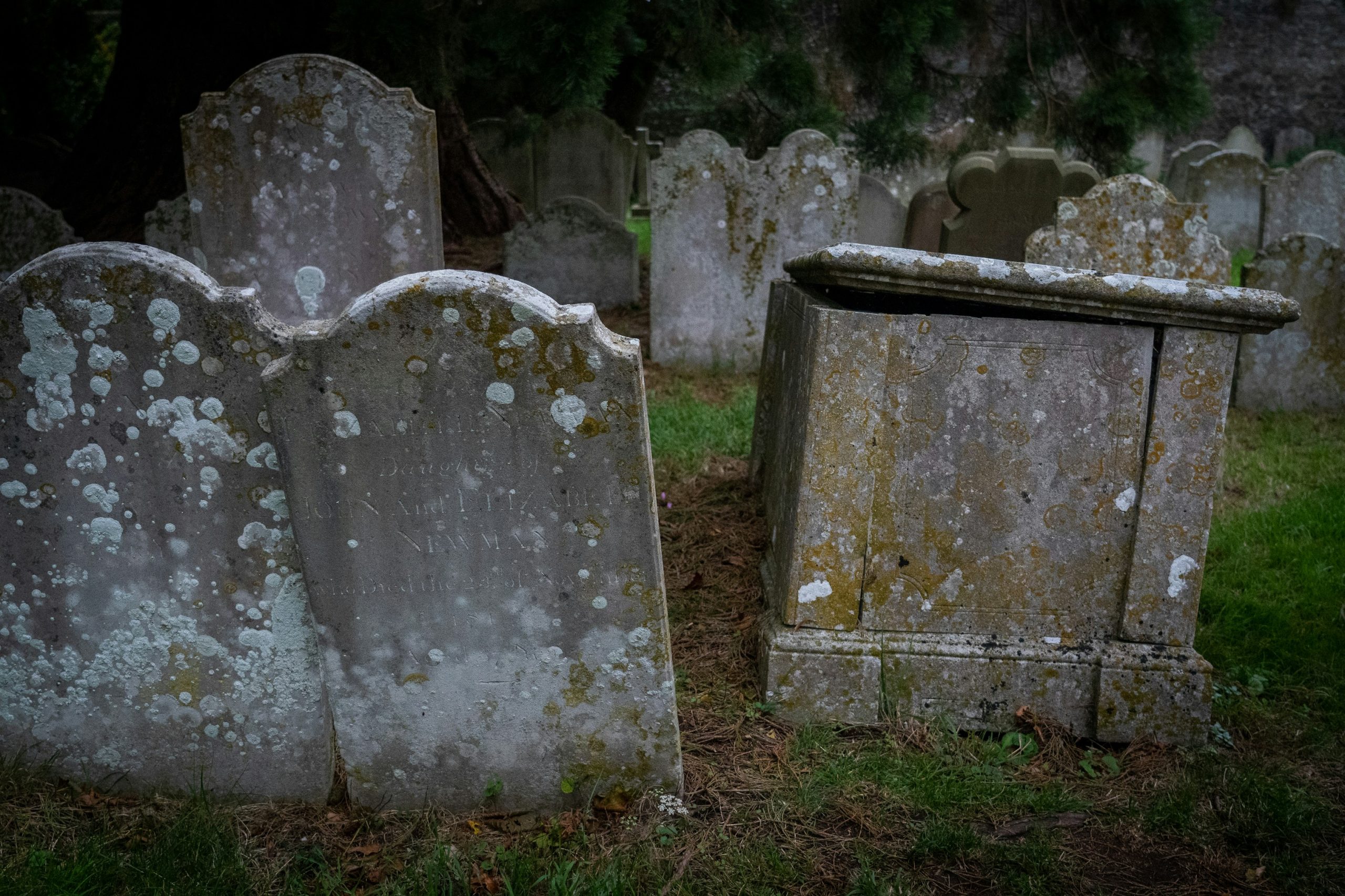
Technological Advancements Influencing Grave Practices
In 2026, technology continues to revolutionize grave practices, creating more personalized and meaningful ways to honor loved ones. Here are some notable advancements:
- Digital Memorials: Many families now opt for online memorial platforms, allowing friends and relatives to share memories, photos, and messages. This creates a virtual community around the grave, enhancing connections even from afar.
- Smart Headstones: Innovative grave markers equipped with QR codes or NFC technology enable visitors to access a wealth of information about the deceased. This can include life stories, memories, or even video tributes, making the grave 2026 experience richer.
- 3D Printing: Customizable grave markers and urns can now be produced using 3D printing technology. This allows families to express their unique stories and aesthetics, moving away from generic headstones.
- Augmented Reality (AR): AR applications provide interactive experiences at grave sites. Visitors can use their smartphones to view holographic images or videos of the deceased, further personalizing their memorial visits.
By integrating these technological advancements into grave practices, the industry not only preserves traditions but also adapts to contemporary needs. As we move forward, it will be fascinating to see how these innovations will shape the future of commemoration beyond grave 2026.
Cultural Shifts in Commemoration
In 2026, cultural shifts are profoundly influencing how we commemorate loved ones. People increasingly embrace more personalized and meaningful ways of remembering, moving away from traditional practices. Here are some noteworthy trends:
- Ritual Redefinition: Families are creating unique commemorative rituals that reflect personal values and beliefs, often blending various cultural practices. This shift emphasizes individual expression over conformity.
- Digital Memorialization: The rise of technology leads to the creation of online memorials, where families can share memories, photos, and stories. These digital platforms serve to honor loved ones while fostering community support.
- Experiential Commemorations: Modern commemorations often include experiences, such as memory walks or celebrations of life events. These occasions focus on celebrating the individual’s life rather than mourning their death.
- Environmental Awareness: As sustainability becomes a priority, people are turning to eco-friendly memorial practices. This includes biodegradable urns or natural burial sites, reflecting a cultural shift towards honoring nature alongside loved ones.
By understanding these cultural shifts, we can gain insight into the evolving landscape of grave practices in 2026. As societal values continue to change, so will the ways we commemorate our departed, forging a personal connection that transcends traditional boundaries.
Environmental Considerations in Burial Methods
As we approach grave 2026, environmental consciousness increasingly shapes burial practices. More families seek eco-friendly alternatives that minimize their environmental impact. Here are some notable trends:
- Natural Burials: Traditional burial methods often lead to chemical use and land disruption. In contrast, natural burials aim for sustainability, utilizing biodegradable caskets and shrouds. This method promotes decomposition, allowing bodies to return to the earth naturally.
- Green Cemeteries: These cemeteries prioritize environmental stewardship, often located in preserved landscapes. They feature native plantings and avoid harmful practices, allowing nature to reclaim the land.
- Cremation Innovations: While cremation is less land-intensive, it can still produce emissions. In response, the popularity of water cremation (alkaline hydrolysis) is rising as an eco-friendly alternative that uses significantly less energy and produces no harmful gases.
- Resomation: This emerging technology involves using water and potassium hydroxide to break down remains efficiently. Eco-conscious individuals appreciate resomation as a potential solution for grave 2026.
These evolving practices reflect a broader cultural shift towards sustainability. As society grows more aware of environmental impacts, innovative burial methods will continue to shape how we commemorate loved ones in the years leading up to grave 2026 and beyond.
Future Predictions for Grave Trends Beyond 2026
As we venture beyond 2026, the landscape of grave trends continues to evolve. Several factors will shape the future of how we commemorate our loved ones. Here are some key predictions:
- Sustainable Practices:
- The environmental impact of traditional burials will push for more green options. Expect to see an increase in biodegradable caskets and tree planting memorials.
- Digital Legacies:
- Digital memorials will become more popular. Families might opt for virtual graves where loved ones can leave messages or flowers online, creating a lasting presence.
- Personalization:
- Customization will take center stage. Gravestones may reflect personal stories, featuring QR codes that link to multimedia memorials, creating a richer narrative around the deceased.
- Community Spaces:
- Future grave sites may transition into communal spaces. Parks designed for reflection and remembrance might become common, fostering connections among visitors.
Below is a comparison of the predicted grave trends:
| Trend | Description | Impact |
|---|---|---|
| Sustainable Practices | Focus on eco-friendly burial methods | Reduced carbon footprint |
| Digital Legacies | Virtual memorials and online tributes | Enhanced connection with the deceased |
| Personalization | Tailored gravestones and multimedia stories | Unique tributes that resonate personally |
| Community Spaces | Memorial parks fostering community engagement | Strengthened social connections |
In summary, as we look forward to life beyond the grave 2026, these trends signify a deeper relationship with how we remember and celebrate lives, shaping a more meaningful approach to commemoration.
Frequently Asked Questions
What are the emerging grave trends in 2026?
In 2026, we are witnessing a significant shift in grave trends that reflect cultural and technological advancements. Notably, eco-friendly burial practices such as natural burials and biodegradable caskets are becoming increasingly popular. Additionally, the integration of technology, including digital memorials and online tribute pages, is transforming how we commemorate loved ones. Furthermore, personalized grave markers and unique memorialization methods are on the rise, catering to individual preferences and lifestyles.
How are technology and the internet influencing grave trends?
Technology and the internet have profoundly affected grave trends, particularly through the rise of digital memorials and virtual tributes. Families can create online memorial sites where friends and relatives can share memories, photos, and messages, allowing for a more communal grieving process, regardless of geographic location. Moreover, innovations such as QR codes on gravestones enable visitors to access a deceased person’s biography or multimedia tribute via their smartphones, creating a more interactive and contemporary memorial experience.
What materials are being used for gravestones and memorials in 2026?
In recent years, there has been a notable shift toward sustainable materials for gravestones and memorials in 2026. Traditional stone and marble are still in use, but environmentally friendly options like reclaimed wood and even living memorials—such as trees planted in memory of the deceased—are gaining traction. Additionally, materials like glass and resin are being utilized to create modern, artistic memorials that reflect the individuality of the deceased, showcasing a blend of tradition and contemporary aesthetics.
Are there any new regulations regarding burial practices in 2026?
As we move into 2026, various regions are implementing new regulations to address public health and environmental concerns related to burial practices. Many areas are now encouraging eco-friendly burial methods, which often involve fewer chemicals and less land usage. Regulations may also include guidelines on memorial sites, ensuring they are maintained and respectful. Additionally, some localities are examining land use for cemeteries to promote sustainability, aiming to integrate them into public green spaces rather than traditional plots.
What trends can we expect to see in personalization of graves and memorials?
Personalization in graves and memorials is rapidly evolving in 2026, with a growing emphasis on celebrating individual lives. Families are opting for customized gravestones that highlight personal stories, hobbies, or familial legacies. One trend includes using photos, artwork, or engravings that reflect the personality and passions of the deceased. Even interactive features, such as digital screens displaying life stories or video tributes, are becoming popular as families seek to create meaningful, lasting memorials that honor their loved ones.