Cemetery Costs in 2026: Are You Prepared?


As we look toward 2026, understanding cemetery costs becomes increasingly vital for families planning for end-of-life arrangements. Various factors influence these prices, from location and services offered to trends in burial vs. cremation options. With rising costs and potential hidden fees, being informed and prepared can significantly impact your budgeting. This article will explore the intricacies of cemetery cost, providing insights on managing expenses and choosing the right resting place for your loved ones.
Understanding Cemetery Costs: A Comprehensive Overview
When planning for final arrangements, understanding cemetery costs is crucial. Cemetery expenses can vary significantly based on location, type of burial, and available services. Here’s an overview of key factors affecting these costs:
- Type of Cemetery: Public cemeteries generally offer lower costs compared to private ones.
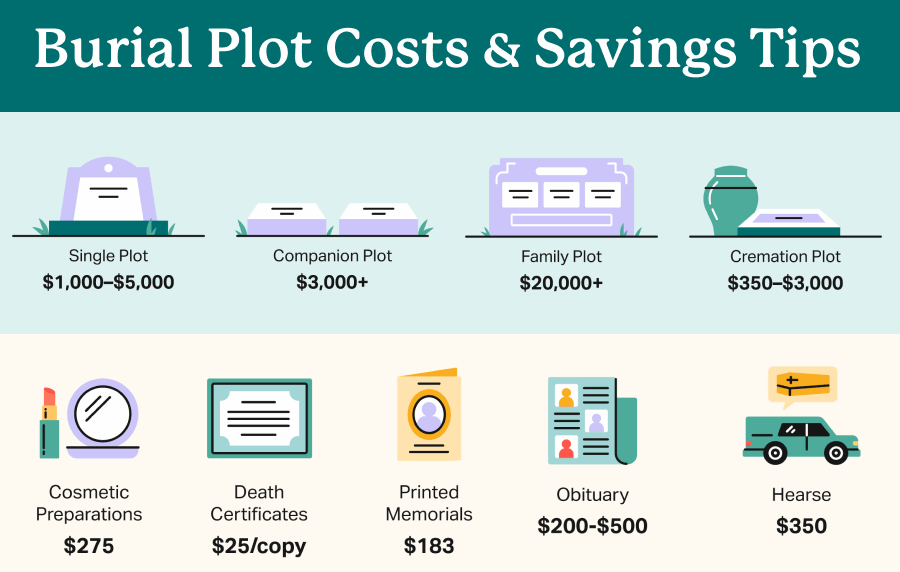
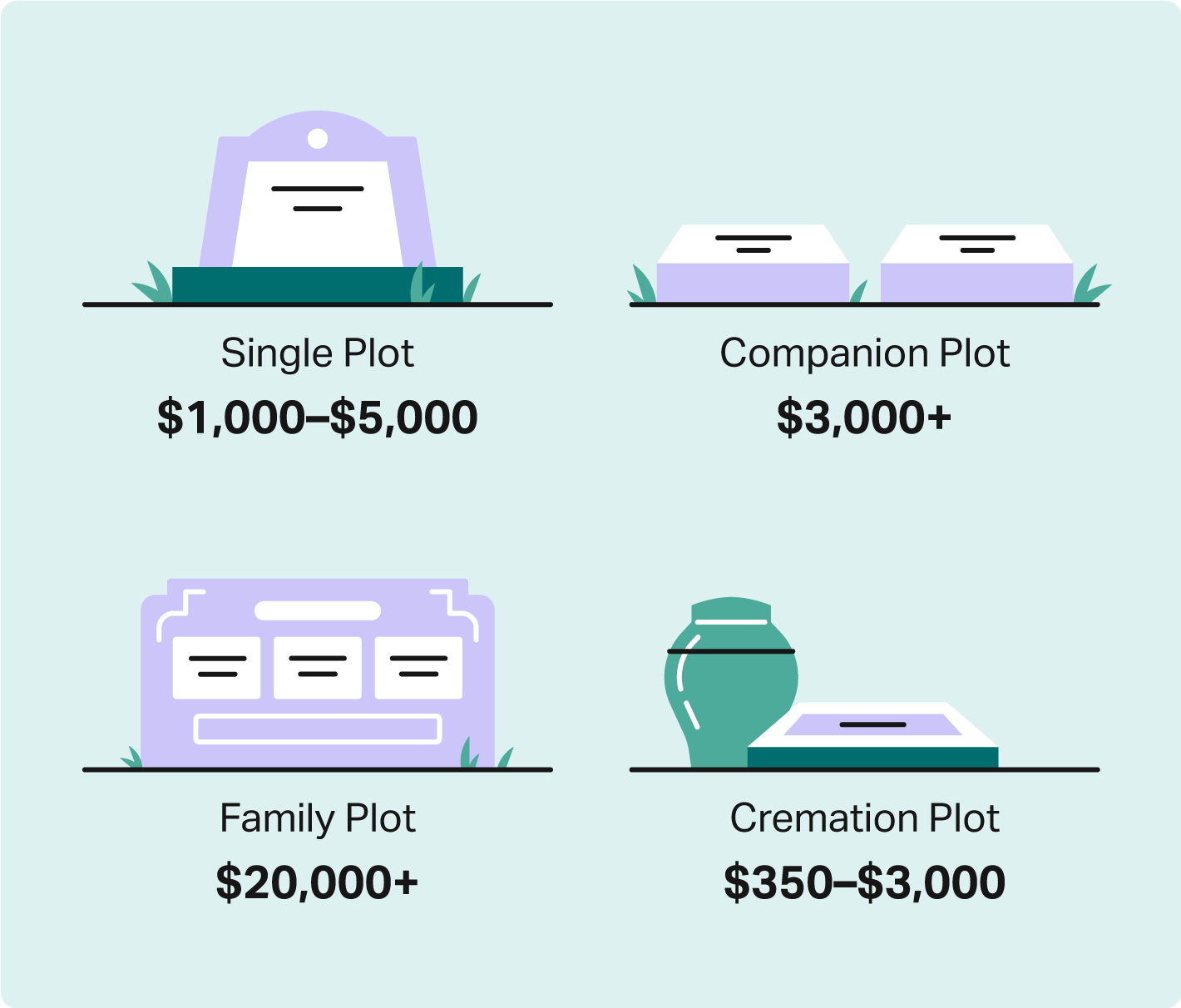
- Plot Prices: The price of a burial plot can range from $300 to over $5,000, depending on the cemetery’s demand and reputation.
- Burial Services: Costs for traditional burials typically exceed those for cremation. Burial services often include:
- Casket purchases
- Opening and closing of the grave
- Maintenance fees
- Additional Services: Many cemeteries offer auxiliary services such as headstone installation, flower placement, and perpetual care. These services can substantially increase overall cemetery costs.
- Location: Urban cemeteries usually charge more than rural ones due to land scarcity.
To prepare adequately, potential expenses require careful consideration. Understanding the comprehensive scope of cemetery costs enables families to make informed decisions and plan effectively for their needs.
Factors Influencing Cemetery Prices in 2026
As you prepare for the future, it’s essential to understand the various factors influencing cemetery costs in 2026. These factors can fluctuate, impacting your overall planning and budgeting. Here are the key influences to consider:
- Location: Urban areas typically have higher cemetery costs due to limited space. In contrast, rural areas may offer more affordable options.
- Type of Burial: Traditional burials often incur higher cemetery costs than cremation, which can include plot fees, embalming, and other services. Compare the costs to see what suits your needs best.
- Regulations and Fees: Changes in local regulations, maintenance fees, and additional services will affect overall cemetery costs. Always inquire about potential hidden fees.
- Market Demand: A surge in population or an increase in interest in specific burial traditions can drive cemetery prices up.
- Inflation: Economic factors such as inflation tend to increase service fees over time.
Understanding these factors will empower you to make informed decisions as you plan for cemetery expenses in 2026. Stay ahead by budgeting accordingly for cemetery costs and securing the best options available.
Comparison of Traditional Burial vs. Cremation Costs
When planning for end-of-life expenses, understanding the cemetery cost associated with both traditional burials and cremations is crucial. Each option presents unique financial implications. Here’s a concise comparison:
| Cost Factor | Traditional Burial | Cremation |
|---|---|---|
| Cemetery Plot | $1,000 – $4,000 | Not required (or less costly) |
| Casket | $2,000 – $10,000 | Minimal (if using an urn) |
| Maintenance Fee (perpetual) | $500 – $2,000 (ongoing) | N/A |
| Funeral Services | $3,000 – $5,000 | Often lower by 20-50% |
| Total Estimated Costs | $6,500 – $21,000 | $1,000 – $5,000 |
Highlights:
- Traditional Burial: Generally incurs higher initial costs due to plot purchase, casket selection, and ongoing maintenance fees.
- Cremation: Offers a more budget-friendly option with lower upfront expenses, especially since cemetery cost is often minimized or eliminated.
Understanding these key differences can aid in making an informed decision while preparing for cemetery costs in 2026.
Hidden Fees: What You Need to Know
When planning for a loved one’s final resting place, understanding the cemetery cost landscape goes beyond just the purchase price of a plot. Hidden fees can significantly increase overall expenses, making it essential to be aware of all potential charges.
Here are common hidden fees to consider:
- Opening and Closing Fees: Many cemeteries charge for the actual interment services, which can range from $500 to over $1,500.
- Grave Marker Installation: The cost for setting up headstones or markers may not be included in the plot purchase and can add $300 to $1,000 extra.
- Maintenance Fees: Some cemeteries impose annual maintenance fees for upkeep, which can vary widely.
- Transportation Costs: Fees for transporting the deceased to the cemetery location can be overlooked, impacting the total cemetery cost.
In conclusion, when budgeting for cemetery expenses, always request a complete list of potential fees. This scrutiny helps you avoid surprises that can inflate the final cemetery cost.

Planning Ahead: How to Budget for Cemetery Expenses
When it comes to planning for cemetery costs, preparation is key. Many families face unexpected expenses during a difficult time, making budgeting essential. Here are some steps to help you plan effectively:
- Research Cemetery Costs: Start by gathering information on average cemetery costs in your area. This includes graves, niche spaces for cremated remains, and ongoing maintenance fees.
- Consider Personal Preferences: Think about what type of memorial you desire. Traditional burials typically incur higher costs than cremations. Compare these options carefully, as they can significantly affect your budget.
- Account for Hidden Fees: Don’t overlook additional charges like plots, permits, and grave markers. Many families find that these hidden fees can inflate overall cemetery costs.
- Create a Budget: Develop a realistic budget that accommodates all potential expenses. Set aside funds or consider pre-arranging services to alleviate financial strain later.
- Consult with a Funeral Planner: A knowledgeable planner can provide guidance on cemetery costs and help you navigate the various options available, ensuring you stay within your budget.
By planning ahead, you can manage cemetery expenses better, allowing distractions to fade when it’s time to say goodbye.
Tips for Choosing the Right Cemetery for Your Needs
Selecting the right cemetery is crucial for ensuring a respectful final resting place. Keep the following tips in mind when considering cemetery costs and services:
- Location: Choose a cemetery that is convenient for family visits. Accessibility plays a significant role in ongoing family connections.
- Cemetery Cost: Compare the prices of different cemeteries. Some may charge additional fees for maintenance or upkeep that can impact your budget.
- Type of Burial: Decide between traditional burial and alternative options like cremation. Generally, cremation tends to have lower cemetery costs and fewer long-term maintenance fees.
- Amenities: Look for cemeteries that offer desired features, such as landscaping, chapels, or memorial services. These can add value to the experience but may also increase overall costs.
- Rules and Regulations: Be aware of the cemetery’s policies on grave markers, decorations, and maintenance. These regulations can affect the ongoing expenses associated with your choice.
Choosing the right cemetery involves balancing emotional needs with financial considerations to find the most suitable option.
Frequently Asked Questions
What are the expected costs of burial plots in 2026?
Burial plot costs in 2026 are projected to rise significantly, influenced by factors such as land availability, local demand, and inflation rates. On average, burial plots may range from $1,000 to $4,000, depending on geographic location and cemetery prestige. Urban areas are typically more expensive due to higher land values, while rural settings might offer more affordable options. It’s crucial to research and budget accordingly, considering that prices can vary widely among different cemeteries.
How do cremation costs compare to burial costs in 2026?
In 2026, the costs of cremation are expected to remain significantly lower than traditional burial expenses. On average, cremation services can range from $500 to $3,500, which often includes the cost of the service, the cremation itself, and sometimes a basic container. Compared to burial costs, which can average around $7,000 to $10,000 when including the plot, headstone, and additional services, cremation presents a more economical option for many families looking to minimize expenses associated with end-of-life arrangements.
Are there any financial assistance options for cemetery costs available in 2026?
Yes, as of 2026, various financial assistance options are available to help families manage cemetery costs. Government programs, including veterans’ benefits and social security death benefits, may offer financial relief. Additionally, many cemeteries and funeral homes provide flexible payment plans or discounts for pre-planned services. Non-profit organizations may also assist in covering certain burial-related expenses. It is advisable to inquire about these options during planning and to explore community resources that aid families in need.
What trends are influencing cemetery costs in 2026?
Cemetery costs in 2026 are influenced by several emerging trends such as eco-friendly burial options, the rise of options like natural burial grounds, and changing consumer preferences towards cremation. Additionally, demographic shifts, including an aging population and an increasing awareness of sustainable practices, are shaping how individuals choose to commemorate their loved ones. Technology also plays a role, with many cemeteries adopting innovative methods for memorialization and management, which can influence overall pricing dynamics.