The Advantages of Cemetery Urn Burials: Costs and Practices

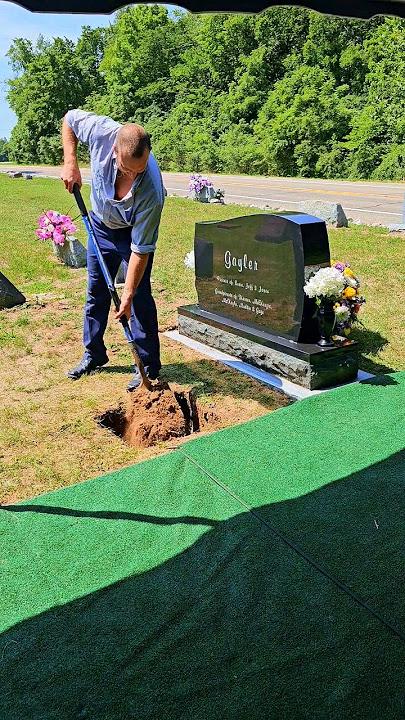

Cemetery urn burial has become a compassionate and environmentally conscious choice for many families seeking to honor their loved ones. With lower costs compared to traditional burials, these practices not only offer significant financial benefits but also align with growing ecological concerns. Understanding the cultural and spiritual significance, as well as common practices associated with urn burials, can help families make informed decisions. This article explores the various advantages of cemetery urn burials, shedding light on their affordability, sustainability, and the thoughtful options available for those choosing this path.
Overview of Cemetery urn Burials
Cemetery urn burial offers a dignified and respectful way to memorialize loved ones. In this practice, cremated remains are placed in an urn and interred in a cemetery plot, providing a permanent resting place. Here are some key aspects to consider:
- Definition: A cemetery urn burial involves burying an urn containing the ashes of the deceased within a designated burial site.
- Popular Choice: Many families opt for this method due to its flexibility and growing acceptance in various cultures.
Benefits of Cemetery urn Burials
- Space Efficiency: Unlike traditional burials, cemetery urn burials require less space, allowing families to purchase smaller plots.
- Memorial Options: Families can choose from a variety of urn designs, materials, and personalization options that reflect the personality of the deceased.
- Simplicity: The process can be simpler and often quicker than traditional burials, involving fewer logistical arrangements.
In summary, cemetery urn burial presents a heartfelt and practical option for families. With its increasing popularity, many are finding comfort in the flexible choices it offers.

Cost Benefits of urn Burials
When considering final arrangements, cemetery urn burials present several cost advantages that make them an appealing option. Below are the key financial benefits:
- Lower Overall Costs: Compared to traditional casket burials, cemetery urn burials typically cost less. ✔️ Caskets can be significantly more expensive, often requiring additional expenses for burial plots and vaults.
- Reduced Plot Requirements: Urns take up less space than full caskets. As a result, families may opt for smaller or less expensive plots, leading to savings.
- Minimal Services Needed: Many urn burials do not require elaborate funeral services. Families can choose more straightforward options, which further reduces costs.
- Flexible Payment Options: Funeral homes often offer various payment plans for urn burials, making it easier for families to manage expenses.
Price Comparison Table
| Item | Traditional Burial Cost | Cemetery urn Burial Cost |
|---|---|---|
| Casket | $2,000 – $10,000 | Inexpensive urn options |
| Burial Plot | $1,000 – $4,000 | Smaller plot costs |
| Service Fees | $500 – $3,000 | Minimal fees |
| Total Estimated Cost | $3,500 – $17,000 | $500 – $5,000 |
In summary, choosing a cemetery urn burial not only respects your loved one’s memory but also provides a cost-effective solution for the family.
Environmental Considerations
Cemetery urn burial offers several environmental benefits that make it an appealing choice for many individuals. Here are key aspects to consider:
- Reduced Land Use: Traditional burial can occupy significant land space, while a cemetery urn burial requires much less area. This efficiency helps preserve green spaces for future generations.
- Lower Carbon Footprint: The cremation process typically emits fewer greenhouse gases compared to traditional burial methods that involve embalming, caskets, and gravesites maintenance.
- Biodegradable Options: Many urns are now available in biodegradable materials, which allow for more sustainable burial practices. These urns can break down naturally over time, enriching the soil.
- Promotes Natural Growth: When placed in designated areas, an urn can contribute to the growth of plants or trees, helping to restore and enhance the environment.
In summary, opting for a cemetery urn burial not only caters to personal or cultural needs but also reflects a conscientious choice for the planet. By considering these factors, families can honor their loved ones while benefiting the environment.
Cultural and Spiritual Significance
Cemetery urn burials carry profound cultural and spiritual weight across various traditions. These solemn practices often reflect the beliefs and values of a community regarding death and remembrance. Here are some noteworthy aspects:
- Honoring Tradition: Many cultures have long embraced cremation. As a result, cemetery urn burial provides a cohesive way to integrate ashes into established burial customs.
- Symbolism: An urn represents the eternal nature of the soul. In various faiths, it serves as a conduit, linking the physical remains to spiritual ancestors.
- Personalization: Families can choose urn designs that reflect the deceased’s personality, values, or favorite themes, creating a tangible connection during the grieving process.
- Memorialization Options: Cemetery urn burials allow for personalized plaques or headstones that can commemorate life stories and achievements, adding layers of meaning to their final resting place.
In conclusion, the cemetery urn burial serves not only as a practical solution but also honors the deceased’s legacy and nurtures the emotional bonds between families and their departed loved ones.

Common Practices for urn Burials
Cemetery urn burial practices vary significantly, reflecting cultural traditions and personal preferences. Understanding these common practices can help guide families in creating meaningful memorials. Here are some typical approaches:
- Interment in Cemetery Plots: Many families choose to place the urn in a designated cemetery plot, sometimes accompanied by a headstone or plaque to commemorate the individual. This practice ensures a permanent resting place.
- Scattering Ashes: Some opt for scattering ashes in a meaningful location, aligning with the deceased’s wishes. This method allows for a more personalized connection to nature or significant locations.
- Columbarium Niches: A columbarium is a structure specifically designed for urn storage. Placing an urn in a niche offers a decorative and protected area for remembrance.
- Family Heirloom Urns: Some families preserve the urn as an heirloom, passing it down through generations. This can strengthen familial ties and perpetuate memories.
In summary, the cemetery urn burial process enables families to honor their loved ones in diverse and meaningful ways, ensuring they remain a cherished part of their legacy.
Choosing the Right urn and Location
Selecting the appropriate urn and burial location is crucial for a meaningful cemetery urn burial. Here are some factors to consider:
Types of Urns
- Material: Choose from options like wood, metal, ceramic, or biodegradable materials.
- Size: Ensure the urn can accommodate the ashes. Standard urns hold about 200 cubic inches.
- Personalization: Consider customizing the urn with engravings or designs that reflect the deceased’s personality.
Burial Location
- Cemetery Regulations: Check specific guidelines regarding urn burials in your chosen cemetery. Some may have designated sections for urns.
- Plot Size: Different cemeteries offer varying sizes of plots. Choose one that fits your needs.
- Environment: Consider the surroundings and ambiance of the cemetery. Is it serene? Does it allow for future visits?
Comparison Table
| Feature | Traditional Burial | Cemetery urn Burial |
|---|---|---|
| Space Required | Larger plots | Smaller plots |
| Cost | Higher | Generally lower |
| Flexibility | More rigid | More options |
By carefully considering both the urn and location, you can ensure that the cemetery urn burial becomes a respectful and enduring tribute to your loved one.
Frequently Asked Questions
What are the main benefits of choosing an urn burial in a cemetery?
Cemetery urn burials offer several significant benefits, including a more environmentally friendly option compared to traditional burials, as they often require less land and resources. They also allow for personalization, as families can opt for different styles and materials for the urn, reflecting the deceased’s personality and preferences. Furthermore, urn burials can be more cost-effective, as they generally involve lower fees for cemetery plots and associated services.
How much does a cemetery urn burial typically cost?
The cost of a cemetery urn burial can vary widely depending on several factors, including the cemetery location, type of urn selected, and any additional services chosen, such as a memorial service or stone engraving. On average, families can expect to pay anywhere from $500 to $3,000 for a complete urn burial, which may include the cost of the urn, interment fees, and any additional services related to the burial process.
What practices are commonly associated with cemetery urn burials?
Cemetery urn burials typically involve several common practices, such as selecting a burial plot specifically designed for urns. Families may also choose to hold a memorial service before the burial, allowing loved ones to pay their respects and celebrate the life of the deceased. Additionally, many cemeteries permit the placement of personal mementos or flowers at the burial site, enhancing the personalization of the experience and providing a space for ongoing remembrance.
Are there any regulations or restrictions for placing urns in cemeteries?
Yes, there are often regulations and restrictions regarding the placement of urns in cemeteries, which vary by location and individual cemetery policies. Some cemeteries may designate specific sections for urn burial, while others might have limitations on the size or type of urn used. It is essential for families to consult with the cemetery management to understand the specific rules, as well as any necessary permits or paperwork needed for the burial process.