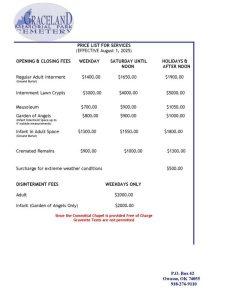
Cemetery Prices: Understanding What You Are Paying For



Navigating cemetery prices can be challenging, as various factors influence the overall costs associated with burial services. Understanding the types of cemetery services and products, such as plots, vaults, and headstones, is essential for making informed decisions. Additionally, considerations like location, service offerings, and whether you opt for traditional or green burial options can significantly affect your spending. By breaking down these elements, you can better prepare for budgeting and ensure that you receive the services that best honor your loved one’s memory without overspending.
Types of Cemetery Services and Products
When considering cemetery prices, it’s essential to understand the various services and products that influence the overall cost. Here’s a breakdown of the most common options:
- Grave Lots: The price for the plot itself can vary significantly based on location and type (traditional vs. green burial).
- Interment Services: This includes the cost of opening and closing the grave. Typically, this fee ranges from $500 to $2,500.
- Headstones and Markers: Prices for headstones can range widely based on materials and design, often from $1,000 to $5,000.
- Maintenance and Perpetual Care: Many cemeteries charge ongoing fees for upkeep, which can be billed annually or as a one-time payment.
- Additional Services: Options like memorial services, flowers, or transportation can also add to the final cemetery prices.
Comparison of Common Cemetery Products
| Product/Service | Typical Price Range |
|---|---|
| Grave Lot | $1,000 – $5,000 |
| Interment Services | $500 – $2,500 |
| Headstones | $1,000 – $5,000 |
| Maintenance Fees | $200 – $500 annually |
By understanding these services, you can better navigate cemetery prices and budget for what you truly need.

Factors Affecting Cemetery Pricing
When looking into cemetery prices, several key factors come into play. Understanding these elements can help you navigate costs and make informed decisions. Here are the main factors to consider:
- Location: Prices can vary significantly based on geographic location. Urban cemeteries typically charge higher fees than rural ones due to land scarcity.
- Type of Burial: Traditional burials usually incur higher costs due to the need for a casket, burial vault, and maintenance. Conversely, green burials may have lower cemetery prices since they often involve less elaborate arrangements.
- Services Included: Different cemeteries offer varying packages. Be sure to check what is included, such as:
- Grave plot
- Opening and closing of the grave
- Maintenance services
- Memorial options
- Additional Fees: Remember to account for extra costs, such as perpetual care fees, which ensure the maintenance of the burial site over time.
By considering these factors, you can compare expenditures and find options that fit your budget when planning for cemetery services.
Comparing Costs: Traditional vs. Green Burial Options
When considering cemetery prices, it’s essential to understand the differences between traditional and green burial options. Each type comes with its own set of costs and often reflects personal values and preferences.
Traditional Burial Expenses
- Casket: Prices can range from $1,000 to $10,000.
- Grave Plot: Costs typically range from $1,000 to $4,000.
- Burial Vault: Average prices range from $800 to $4,000.
- Service Fees: Funeral home fees often between $2,000 and $5,000.
Green Burial Costs
- Biodegradable Casket: This costs anywhere from $300 to $1,500.
- Natural Burial Plot: Usually priced between $700 and $2,500.
- Minimal Service Fees: Can be as low as $500 to $1,500.
Cost Comparison Overview
| Cost Element | Traditional Burial | Green Burial |
|---|---|---|
| Casket | $1,000 – $10,000 | $300 – $1,500 |
| Grave Plot | $1,000 – $4,000 | $700 – $2,500 |
| Burial Vault | $800 – $4,000 | N/A |
| Service Fees | $2,000 – $5,000 | $500 – $1,500 |
In conclusion, understanding cemetery prices for both traditional and green burials can help families make informed decisions. While traditional options tend to be more expensive due to additional services and materials, green burials provide a more cost-effective and environmentally conscious alternative.
Tips for Budgeting for Cemetery Expenses
Planning for cemetery expenses can be daunting, but with a solid budget, you can alleviate financial stress during a difficult time. Here are some valuable tips to help you budget for cemetery prices effectively:
- Research First: Begin by gathering information on different cemetery prices. Understanding the basic costs associated with burial plots, embalming, and memorial services helps you anticipate expenses.
- Set a Budget: Determine your overall budget for cemetery services. Include potential costs such as:
- Purchase of burial plot
- Casket or urn selection
- Grave marker or headstone
- Consider Alternatives: Explore cheaper options like green burials or cremation, which often incur lower cemetery prices. Compare these alternatives to traditional burial expenses.
- Prioritize Needs: List essential services and products versus optional features. For instance, while a lavish casket may be appealing, it is often possible to find a satisfactory option within a lower price range.
- Seek Assistance: Don’t hesitate to discuss financial concerns with family members or friends. They can offer support or suggestions that might save money.
By following these tips, budgeting for cemetery expenses becomes more manageable, ensuring you can honor your loved ones without overspending.

Frequently Asked Questions
What factors affect cemetery prices?
Cemetery prices can vary significantly based on several factors including location, the type of burial plot or niche selected, and additional services. Urban areas tend to impose higher prices due to limited land availability, while rural areas generally have lower costs. Additionally, the choice between a traditional ground burial, mausoleum, or cremation niche also influences pricing. Other elements that can affect costs include the level of maintenance and amenities provided by the cemetery, and any applicable government regulations.
Are there hidden fees associated with cemetery purchases?
Yes, many cemeteries may have additional fees that are not immediately apparent at the time of purchase. These hidden costs might include maintenance fees for the ongoing upkeep of the plot, charges for opening and closing the grave, and fees for services such as headstone installation or floral arrangements. It’s essential to request a detailed breakdown of all associated costs from the cemetery to ensure you understand the full financial commitment involved.
Can cemetery prices change after purchase?
Yes, cemetery prices may change after the purchase due to factors such as inflation or changes in maintenance costs. However, many cemeteries offer pre-need contracts that lock in prices at the time of purchase, protecting buyers from future price increases. It is crucial to read the terms of any contract carefully to understand if you are shielded from potential price hikes and what happens to your investment if the cemetery changes ownership.
What are the payment options available for cemetery services?
Most cemeteries offer a range of payment options to accommodate different financial situations. These can include one-time payments, installment plans, or financing options. Some cemeteries may also allow trust funding for pre-need arrangements to ensure that your burial expenses are covered. It’s advisable to discuss the available payment methods with the cemetery staff to choose one that aligns with your budget and financial planning.