Top Grave Designs to Look for in 2026

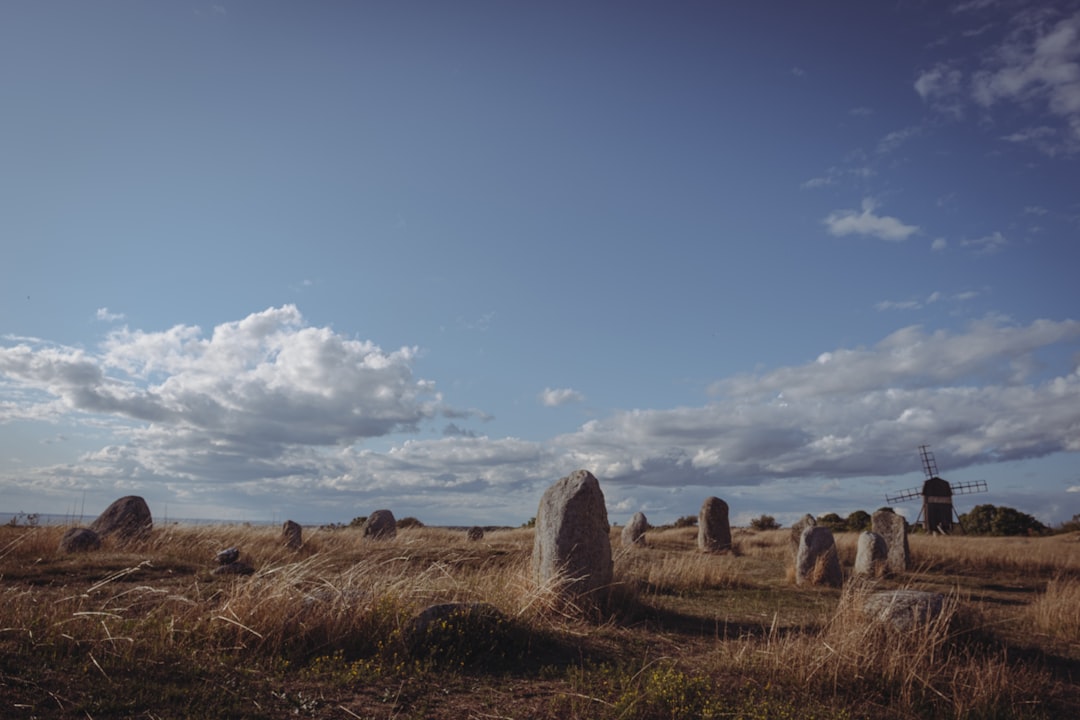

As we approach the year 2026, the world of grave design is evolving, embracing modern features and innovative materials that reflect personal and cultural narratives. From eco-friendly grave options to striking personalization trends in memorial architecture, the landscape of grave 2026 promises to showcase diverse influences. This shift not only honors the deceased but also resonates with the living, allowing families to create meaningful tributes that stand the test of time. Join us as we explore the top grave designs to seek in the near future.
Modern Features in Grave Design
As we approach grave 2026, the designs of memorials are evolving to reflect contemporary aesthetics and values. Here are some notable modern features in grave design:
- Sleek Lines and Minimalism: Modern graves often prioritize clean lines and simplistic forms, creating a serene and tranquil appearance.
- Integrated Technology: Technology plays a crucial role in contemporary grave designs. Innovations include:
- QR Codes: These allow visitors to scan and access digital tributes or memorial websites, offering a richer narrative of the deceased’s life.
- Light Installations: LED lighting enhances visibility and adds an ethereal quality to graves, especially during nighttime visits.
- Natural Elements: Many modern designs incorporate natural materials, such as stone and wood, to harmonize with the surrounding environment, emphasizing sustainability.
- Flexible Space: More graves now include areas for personalized items, like benches or small gardens, allowing friends and family to gather and reflect comfortably.
- Unique Shapes: Moving away from traditional rectangular slabs, modern graves adopt innovative shapes that symbolize life and eternity, such as circles or organic forms.
With these features emerging, grave 2026 is set to become a year of transformation in how we honor our loved ones, ensuring that memorials resonate deeply with the values and aesthetics of the time.
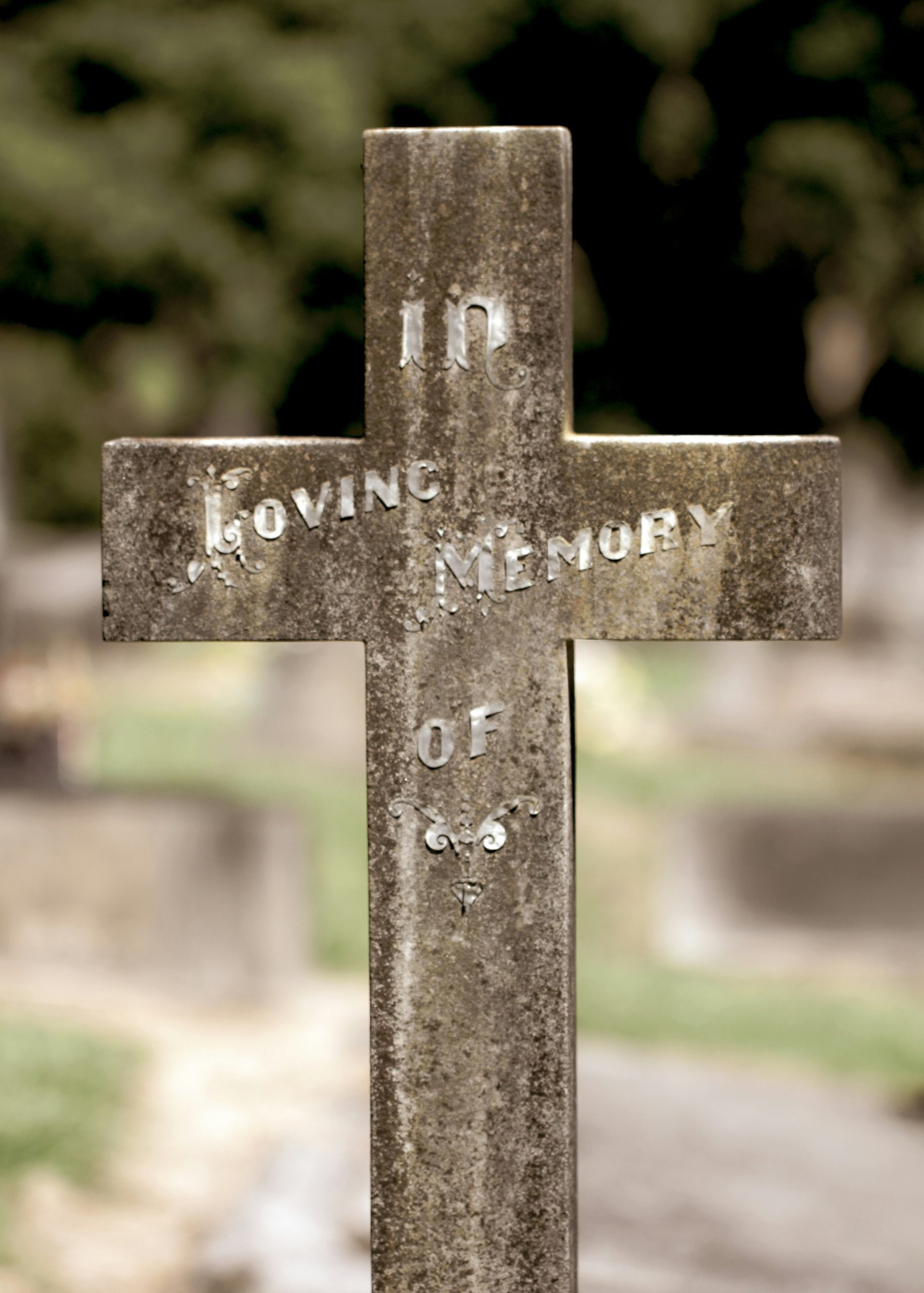
Eco-Friendly Grave Options
As we approach the year grave 2026, eco-conscious individuals are increasingly seeking sustainable burial options. The traditional burial methods often have significant environmental impacts, but innovative alternatives are now gaining popularity. Here are some compelling eco-friendly grave options:
- Biodegradable Caskets: These caskets break down naturally over time, returning to the earth instead of contributing to landfill waste. Materials such as bamboo, wicker, or recycled paper are common choices.
- Green Burials: This option involves simple gravesites in natural settings. Green burials use minimal resources and avoid harmful chemicals, allowing the body to decompose naturally.
- Tree Pod Burials: A unique concept where the deceased is buried in a pod that nurtures a tree. As the body decomposes, it provides nutrients to the growing tree, creating a living memorial.
- Natural Grave Markers: Instead of traditional headstones, consider using native stones or plants that blend harmoniously with the environment.
- Aquatic Memorials: Engaging in water burials or creating reef memorials allows for the eternal resting place to support marine life, demonstrating respect for nature.
With these eco-friendly grave options, we can honor loved ones while caring for the planet, making grave 2026 a year of meaningful change in memorial practices. By choosing sustainability, families can create lasting tributes that align with their values and beliefs.
Cultural Influences on Grave Designs
As we approach grave 2026, cultural influences significantly shape the trends in grave designs around the world. Different cultures express their beliefs, values, and customs through unique memorial styles. Here are some notable cultural influences to consider:
- Celtic Designs: Characterized by intricate knotwork and symbols, Celtic grave markers often reflect a deep connection to nature and heritage. In grave 2026, you may find an increase in handcrafted stones featuring traditional designs.
- Asian Influences: In many Asian cultures, graves often include elements like Feng Shui to ensure peace and harmony. This philosophy emphasizes the landscape layout, which we might see more prominently in newly designed graves.
- Indigenous Traditions: Many Indigenous communities honor ancestors with earth-based memorials. Expect a rise in natural materials and minimalist designs in grave 2026, focusing on sustainability and respect for the land.
- Modern Western Trends: Western societies are gradually moving towards more personalized and diverse grave designs, incorporating elements such as images, quotes, and even digital displays to celebrate individual life stories.
| Culture | Key Features | Expected Trends in Grave 2026 |
|---|---|---|
| Celtic | Intricate knotwork, nature motifs | Handcrafted stones, detailed carvings |
| Asian | Feng Shui elements, harmonious layouts | Eco-friendly materials, tranquil designs |
| Indigenous | Earth-based memorials, natural materials | Minimalist designs, sustainability focus |
| Modern Western | Personalized designs, digital displays | Creative expressions, diverse representations |
As we look towards grave 2026, blending these cultural influences will enhance the emotional resonance and aesthetic appeal of grave designs.
Personalization Trends in Memorial Architecture
As we approach grave 2026, the trend towards personalization in memorial architecture continues to flourish. People increasingly seek to create unique tributes that reflect the individuality of their loved ones. Here are some key trends in personalization:
- Custom Engravings: Families now opt for bespoke engravings on tombstones. This can include favorite quotes, symbols, or significant dates that capture the essence of the departed.
- Themed Memorials: Many are choosing designs that represent the passions or hobbies of their loved ones—like artistic sculptures for artists, or nature-inspired designs for outdoor enthusiasts.
- Interactive Elements: Some memorials incorporate QR codes linked to digital memories, such as photo albums or video tributes. This connection allows visitors to engage with the memory on a deeper level.
- Unique Materials: Personalization also extends to the choice of materials. From recycled stone to sustainable wood, families are choosing what resonates with their values and the memory they wish to preserve.
- Landscaping: Custom landscapes around gravesites, including plants that were significant to the deceased, are becoming popular, offering a serene environment that complements the memorial.
In conclusion, grave 2026 is not just about honoring the deceased; it’s about celebrating their lives with individual creativity, transforming the act of remembrance into a deeply personal experience.
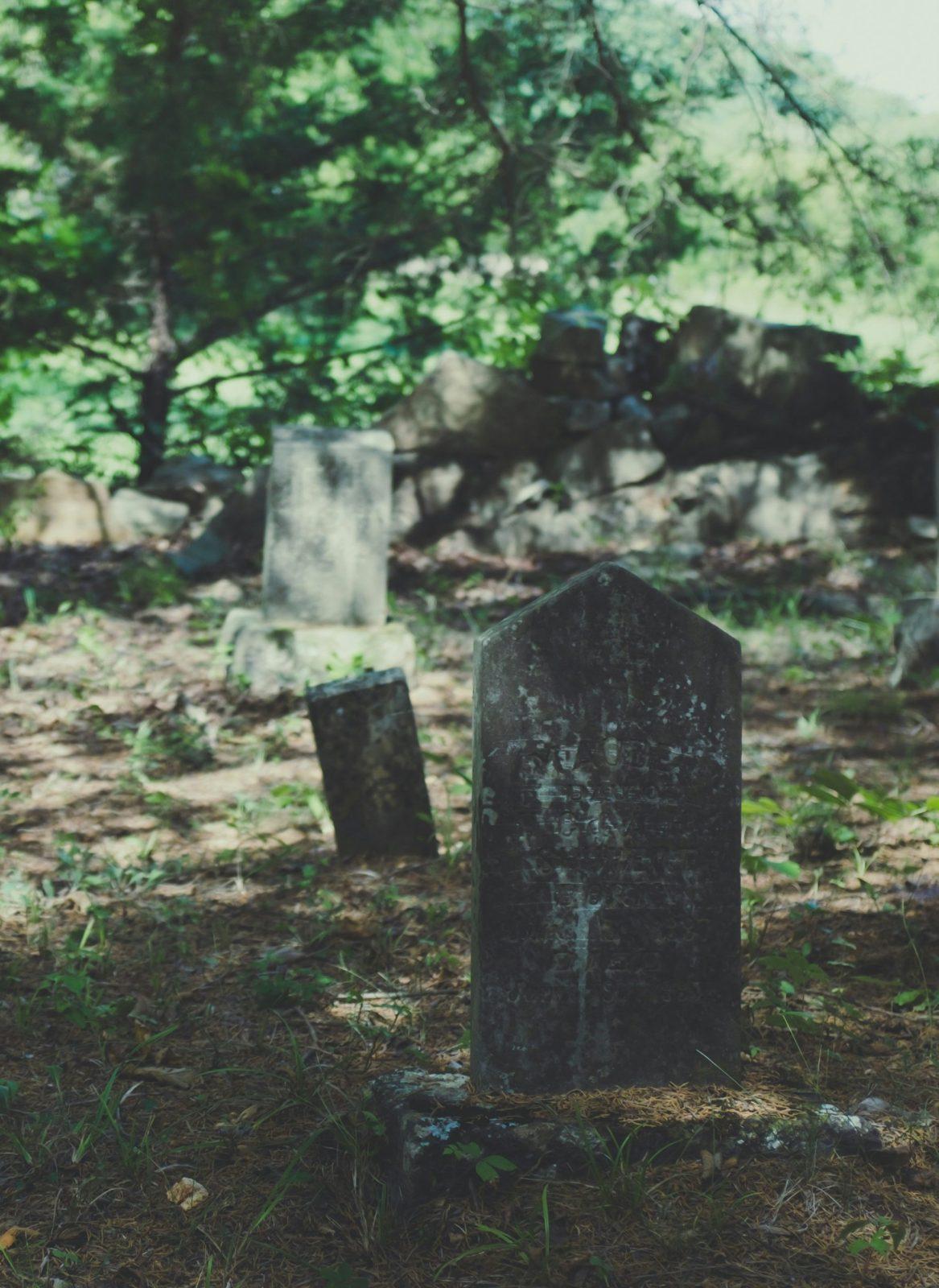
Innovative Materials and Techniques in Grave Making
As we move towards grave 2026, the quest for innovation in grave making continues to evolve. Modern technology and eco-conscious practices have revolutionized the materials and techniques used in the crafting of memorials. Here are some key trends:
- Recycled Materials: Many designers now utilize recycled stone, metals, and even glass in their grave constructions. This not only minimizes environmental impact but also allows for unique textures and colors.
- Biodegradable Options: Increasing awareness of environmental issues has led to the use of biodegradable caskets and urns made from natural materials such as bamboo or cardboard. These options decompose naturally, integrating back into the earth.
- 3D Printing: The rise of 3D printing technology enables intricate and customized designs that were previously unattainable. Artists can create detailed sculptures or unique shapes, ensuring that each memorial reflects the individual’s personality.
- Smart Technology: Integrating technology into grave design offers functionality. Features like QR codes or GPS coordinates allow visitors to access information about the deceased, creating an interactive memorial experience.
| Material/Technique | Benefits | Considerations |
|---|---|---|
| Recycled Materials | Eco-friendly, unique aesthetics | Availability may vary |
| Biodegradable Options | Environmental impact, natural | Limited durability |
| 3D Printing | Customization, intricate designs | Initial costs can be higher |
| Smart Technology | Interaction, information access | May require maintenance |
In grave 2026, expect these innovative approaches to redefine how we honor and remember our loved ones, making memorials more personal and sustainable.
Frequently Asked Questions
What are some popular trends in grave designs for 2026?
In 2026, popular trends in grave designs include eco-friendly options such as biodegradable grave markers and natural stone materials that blend harmoniously with the surrounding landscape. There is also a growing preference for personalized engravings and unique shapes that reflect the deceased’s personality, such as artistic carvings or custom illustrations. Additionally, modern technology, like QR codes linked to memorial websites, is being integrated into grave designs to offer interactive experiences for visitors.
How can I choose the right grave design for my loved one?
Choosing the right grave design for a loved one involves considering their personality, preferences, and life story. Begin by reflecting on what made them unique, including their hobbies, interests, or cherished memories. Consult with family members to gather input, ensuring the chosen design resonates with everyone involved. It’s also essential to consider the location of the grave, local regulations regarding grave markers, and any budget constraints. Ultimately, the goal is to create a lasting tribute that honors their memory.
What materials are commonly used in grave designs?
Common materials used in grave designs include granite, marble, bronze, and natural stones like limestone. Granite is favored for its durability and variety of colors, while marble offers a timeless elegance. Bronze is often used for plaques and ornamental designs due to its weather-resistant properties. Additionally, wood is becoming a popular choice for eco-conscious designs, especially in memorials that aim to blend seamlessly with nature. Each material has its pros and cons, so it’s crucial to consider longevity and maintenance.
Are there any cultural considerations when designing a grave?
Yes, cultural considerations play a significant role in grave design. Different cultures have unique traditions and beliefs regarding death and memorialization. For instance, in some cultures, it’s customary to include specific symbols or motifs that represent the deceased’s beliefs or heritage. Additionally, the placement and arrangement of grave markers can vary based on cultural practices. It’s important to respect these traditions and, if applicable, consult with family members or community leaders to ensure that the grave design honors the individual’s cultural background.
How much should I expect to spend on a grave design in 2026?
The cost of a grave design can vary widely depending on several factors, such as the materials used, the complexity of the design, and the location of the cemetery. In 2026, basic grave markers may start at a few hundred dollars, while more elaborate designs—particularly those with custom artwork or high-quality materials—can range into the thousands. Budgeting for additional features, such as landscaping or maintenance, is also important. It’s advisable to consult local providers for detailed quotes and to consider the available options within your budget.

