How to Select the Right Burial Plot for Your Family

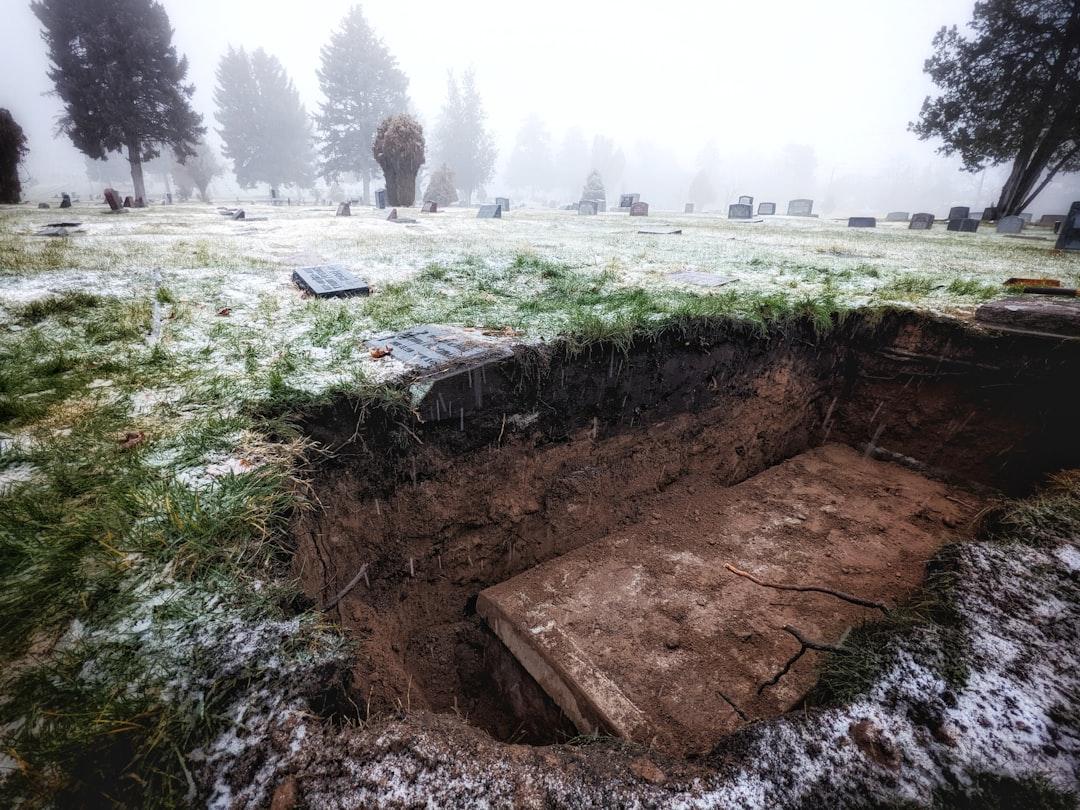

Choosing the right burial plot is a significant decision that requires careful thought and consideration for your family’s unique needs. Each family’s circumstances, preferences, and budget will influence the process of selecting a burial plot. Understanding the various factors involved—including location, type, legal matters, and financial implications—can greatly aid in making an informed choice. Whether you are seeking traditional grave sites or alternative options, being well-equipped with the right information is essential for ensuring peace of mind for you and your loved ones.
Understanding Your Family’s Needs
Selecting a burial plot is a deeply personal decision that requires careful consideration of your family’s unique needs. Understanding these needs can help you make an informed choice. Here are some essential factors to assess:
- Family Traditions: Consider your family’s cultural and religious practices. Some families have specific burial customs that influence plot selection.
- Proximity: Evaluate the location of the burial plot. Is it important for family members to visit regularly? Selecting a burial plot close to home may be preferable.
- Family Size: Think about the size of your family and any potential future needs. Would you need multiple plots for extended family members?
- Personal Preferences: Discuss preferences with your family. Some might favor a serene natural setting, while others may prefer a historic cemetery with rich heritage.
Gathering this information facilitates a smoother process when selecting a burial plot, fostering comfort and emotional support during what can be a challenging time. Prioritizing your family’s needs ensures that your choice honors their values and traditions.

Factors to Consider When Choosing a Burial Plot
Selecting a burial plot is a significant decision that requires careful thought. Here are key factors to consider:
- Location: Proximity to family and friends is vital. Choosing a cemetery that is accessible can make visiting easier for loved ones.
- Type of Burial Plot: There are several types to choose from:
- Cemetery Plot: Traditional ground burial.
- Mausoleum: Above-ground structure for entombment.
- Green Burial: Environmentally-friendly options minimize ecological impact.
- Cost: Evaluate your budget. Prices vary widely based on location and plot type. Consider ongoing maintenance fees.
- Burial Rights: Understand the rights that come with the plot. Research if you can transfer ownership or if any restrictions apply.
- Future Expansion: If planning for multiple family members, consider adjacent plots to ensure you can keep family members together.
Taking these factors into account will lead you to make an informed choice when selecting a burial plot that honors your family’s legacy.
Types of Burial Plots Available
When selecting a burial plot, it’s crucial to understand the different options available to you. Each type of burial plot serves various needs and preferences. Here are the primary types:
- Traditional Burial Plots:
- Standard gravesites for traditional casket burials.
- Often located in designated sections of cemeteries.
- Cremation Plots:
- Smaller spaces specifically for cremated remains.
- Can accommodate urns or be part of a columbarium.
- Natural Burial Plots:
- Eco-friendly areas designed for biodegradable caskets and shrouds.
- Encourage a return to nature, often in serene, woodland settings.
- Mausoleums:
- Above-ground structures housing caskets.
- Offer an alternative to traditional burials in a private setting.
- Family Plots:
- Larger spaces designated for multiple family members.
- Promote a sense of unity and bonding through shared memorial placement.
In conclusion, understanding the types of burial plots available is vital in the process of selecting a burial plot that meets your family’s needs and values. Assess each option to ensure that it aligns with your family’s preferences and beliefs.
Legal and Financial Aspects of Burial Plot Selection
When selecting a burial plot, it is crucial to understand both the legal and financial implications involved. Here are some key points to consider:
- Legal Regulations: Each state has specific laws regarding burial plots. Familiarize yourself with local zoning laws, as some areas may have restrictions on where you can bury. Check if the cemetery you choose holds the necessary licenses and permits.
- Payment Options: Investigate the payment plans available. Many cemeteries offer various financing options, allowing families to pay over time rather than in a lump sum.
- Cost Breakdown: Understand the costs associated with selecting a burial plot. Costs may include:
- Purchase price of the plot
- Opening and closing fees
- Maintenance or perpetual care fees
- Ownership Rights: Ensure that you understand the ownership rights associated with the burial plot. Some plots are designated for a single burial, while others may allow multiple interments.
By considering these legal and financial factors while selecting a burial plot, you can make a well-informed decision that suits your family’s needs and budget.

Frequently Asked Questions
What factors should I consider when selecting a burial plot?
Selecting a burial plot involves several important factors. Firstly, consider the location of the cemetery, as it should be accessible to family and friends. Secondly, reflect on the type of burial plot you want, whether it’s a single plot, family plot, or cremation plot. Additionally, you should check the cemetery’s regulations and policies regarding the maintenance of graves and any restrictions on headstones or markers. Finally, evaluate the overall cost, including any ongoing fees for maintenance or future services.
How do I know if a burial plot is available for purchase?
To determine if a burial plot is available, you should contact the cemetery directly. Most cemeteries have designated representatives who can provide information on available plots. They will outline options and associated costs. Additionally, you can often find this information on the cemetery’s website, which may list available sections and the types of plots for sale. It is important to confirm availability before making any decisions or payments.
What are the legal requirements for purchasing a burial plot?
The legal requirements for purchasing a burial plot can vary by location, but typically, there are a few key steps to follow. Buyers will need to enter into a contract with the cemetery to secure the plot, which includes details about the rights of use and any associated costs. It’s important to review any state or local laws that may apply, as some areas may have specific regulations regarding the resale of plots or requirements for perpetual care funds. Always request a copy of the cemetery’s rules and regulations before finalizing the purchase.
Can I transfer ownership of a burial plot if I no longer need it?
Yes, in most cases, you can transfer ownership of a burial plot if you no longer need it. However, the process will depend on the cemetery’s policies and state laws. Typically, this involves contacting the cemetery management to express your intent to transfer the plot. They will provide the necessary forms and information about potential fees or steps for the transfer. Some cemeteries may have restrictions on transfers, so it’s advisable to check their guidelines beforehand.


