Understanding Burial Costs Without a Funeral in 2026

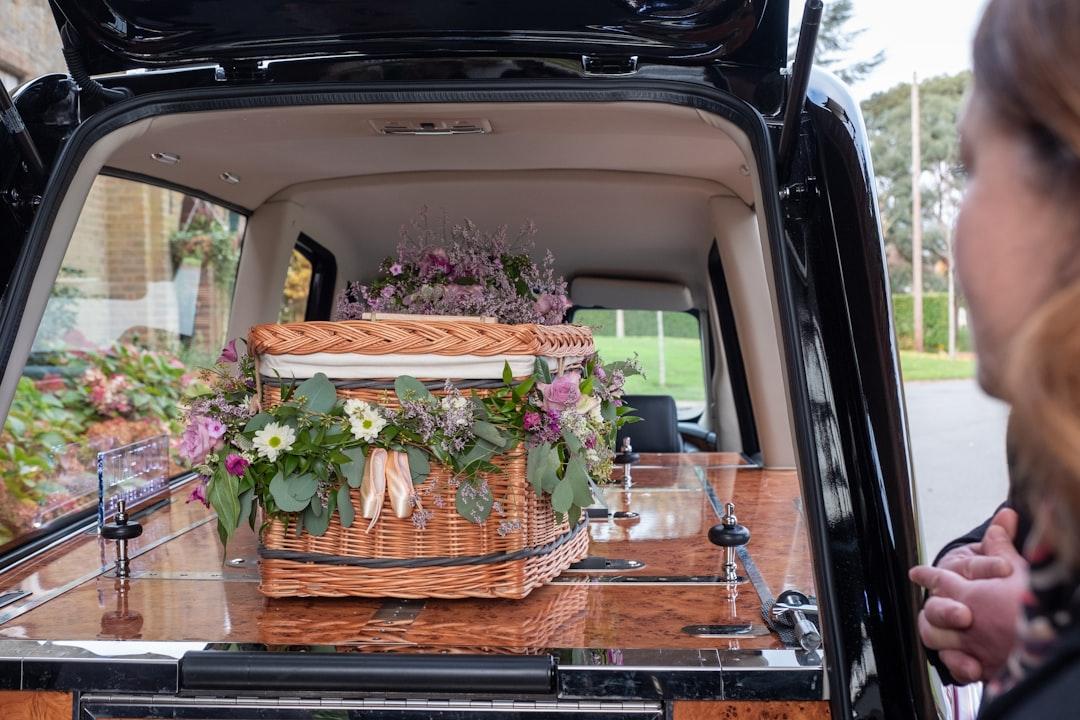

As we navigate the complexities of end-of-life decisions, understanding the burial cost without funeral in 2026 becomes increasingly important. Many families are seeking affordable alternatives that allow for personalized memorials while remaining budget-conscious. In this post, we will explore the various factors influencing burial costs, the types of burial options available, and essential legal requirements. Moreover, we’ll highlight additional fees to keep in mind and provide guidance on planning a cost-effective burial to ensure that your loved ones are honored appropriately without breaking the bank.
Factors Influencing Burial Costs in 2026
Understanding the burial cost without funeral in 2026 requires a look into several key factors that can significantly impact expenses. Here are the main influencers:
- Location: Burial costs vary greatly by region. Urban areas often have higher prices compared to rural locations. For instance, the average burial cost in a city like New York can be significantly higher than in a smaller town.
- Type of Burial: Different burial options come with varying price tags:
- Traditional burial: Generally the most expensive option.
- Green burial: Often more affordable due to minimal environmental impact.
- Direct burial: Typically incurs the lowest costs as it skips many funeral service fees.
- Plot Costs: The price of a burial plot can fluctuate based on its size and location within a cemetery. Unique plots or those in developed burial sites usually demand higher costs.
- Additional Services: While you’re looking into the burial cost without funeral, don’t forget that services such as grave markers, opening and closing fees, and transportation can add up.
- Regulatory Fees: Local or state regulations might impose certain fees that affect overall costs.
| Factor | Impact on Costs |
|---|---|
| Location | High variance |
| Type of Burial | $1,000 – $10,000+ |
| Plot Costs | $500 – $5,000+ |
| Additional Services | Can vary significantly |
| Regulatory Fees | $50 – $500+ |
By considering these factors, you can better estimate the burial cost without funeral and make informed decisions for yourself or your loved ones.

Types of Burial Options Available
When considering burial cost without funeral services, you have several options to choose from. Each type comes with different price points and arrangements, giving you the flexibility to select what suits your needs best. Here are some popular burial options:
- Traditional Burial
- Involves a casket, a burial plot, and a headstone.
- Estimated Cost: $8,000 – $12,000
- Green Burial
- Eco-friendly option using biodegradable materials.
- No embalming or regular caskets, reducing environmental impact.
- Estimated Cost: $1,000 – $5,000
- Direct Burial
- The body is buried shortly after death, without a service.
- Minimizes costs related to preparation and documentation.
- Estimated Cost: $2,000 – $4,000
- Cremation with Burial
- Combining cremation and burial can also save costs.
- This option allows for a memorial service without extravagant expenses.
- Estimated Cost: $3,000 – $7,000
By understanding these options, you can effectively compare the burial cost without funeral services. Creating a clear plan helps manage expenses and find a suitable option that respects your needs. Always remember to inquire about additional fees that may come with specific burials, as prices can widely vary based on location and services included.
Understanding the Legal Requirements
When considering burial cost without funeral in 2026, it’s crucial to understand the legal requirements governing burials. Regulations can vary from state to state, but here are key points to consider:
- Permits and Documentation: Most local jurisdictions require a burial permit before interment. This permit verifies that the deceased has been properly identified and that the burial complies with local laws. Always check with your local health department for specific requirements.
- Death Certificate: You will need to obtain an official death certificate, which serves as legal proof of death. Each state has its own process for issuing this, and you may need multiple copies for various purposes.
- Cemetery Regulations: If you choose a specific cemetery, familiarize yourself with their policies. Some might require specific types of caskets or may have design regulations for grave markers. This can influence your overall burial cost without funeral plans.
- Grave Preparation and Site Restrictions: Some cemeteries might impose fees for grave digging and preparation, which adds to your funeral costs. Ensure you clarify these details with the cemetery management.
By understanding these legal requirements, you can better manage your burial cost without funeral and ensure a smoother process during a challenging time. Always stay informed and prepared, and consult with professionals if needed.
Additional Fees to Consider
When planning a burial, especially when considering the burial cost without a funeral, it’s essential to be aware of various additional fees that may arise. These extra expenses can significantly impact your overall budget. Here’s what to keep in mind:
Potential Additional Fees
- Grave Plot Purchase: Prices can vary widely based on location and cemetery type.
- Opening and Closing Fees: Cemeteries typically charge for digging and refilling the grave.
- Headstone or Marker Costs: These can range from simple designs to elaborate inscriptions.
- Transportation Fees: If you require transport for the deceased to the burial site, costs can accumulate.
- Maintenance Fees: Some cemeteries charge ongoing maintenance fees for the upkeep of the gravesite.
- Administrative Fees: Paperwork and permits can incur administrative charges.
Comparison of Average Costs
| Expense Type | Average Cost (2026) |
|---|---|
| Grave Plot | $800 – $2,500 |
| Opening/Closing Fee | $300 – $1,000 |
| Headstone | $1,000 – $3,500 |
| Transportation | $250 – $1,200 |
| Maintenance Fee (annual) | $150 – $600 |
Understanding these additional fees is vital for effectively managing the burial cost without a funeral. By preparing for extra expenses, you can plan accordingly and avoid unexpected financial strain during what can already be a challenging time.
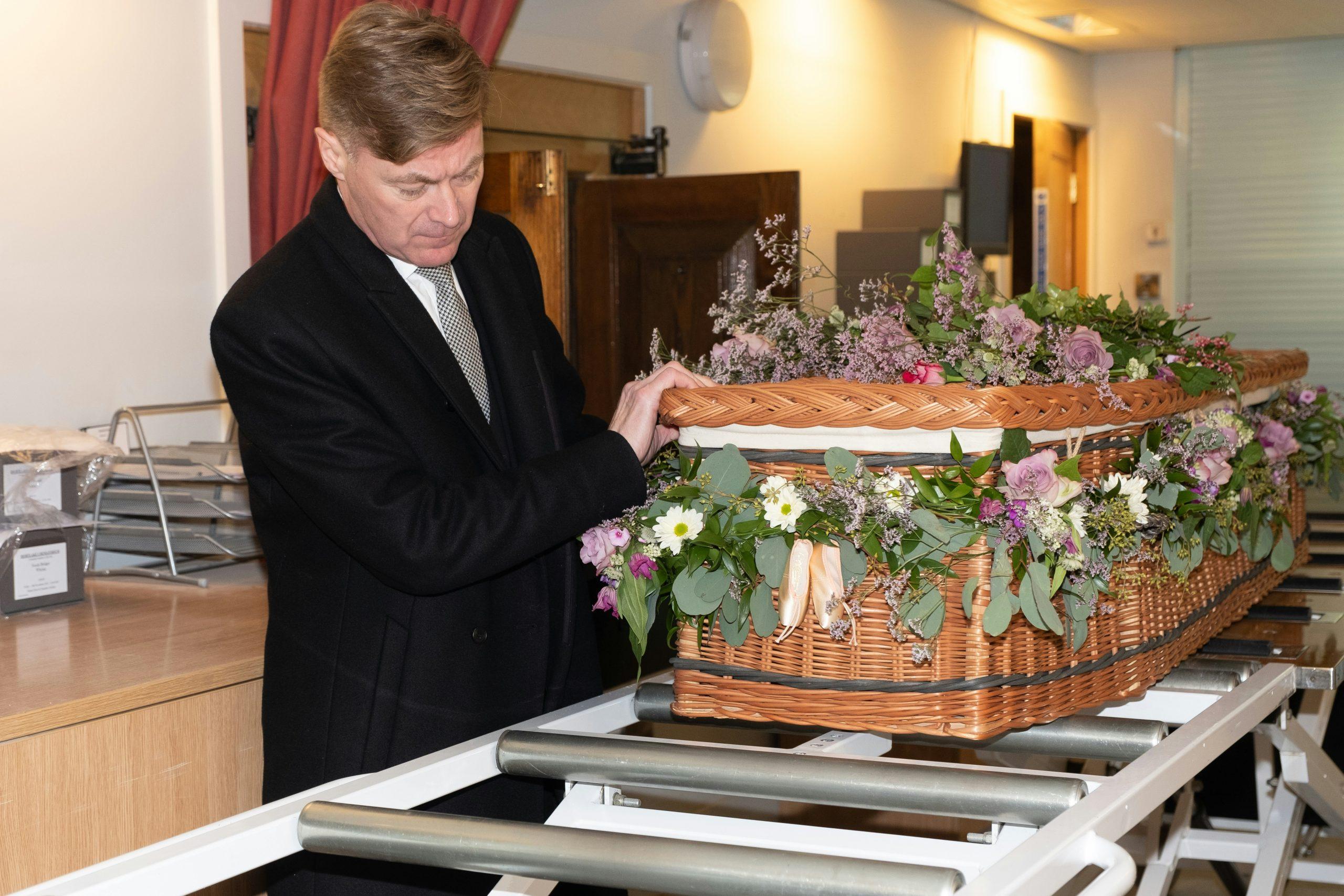
How to Plan a Cost-Effective Burial
Planning a cost-effective burial requires thoughtful consideration of various factors that influence expenses. By being proactive, you can significantly reduce the burial cost without funeral services. Here are some practical tips to help you create a budget-friendly plan.
- Choose Direct Burial: Opting for a direct burial eliminates the need for viewing or memorial services, thus saving on numerous associated costs.
- Compare Prices: Contact multiple cemeteries to compare prices. Many may offer different packages and services, helping you find the most economical option.
- Consider Alternative Disposition: Burial at sea or natural burials often cost less than traditional cemetery plots. These options can reduce both burial costs and environmental impact.
- Avoid Unnecessary Add-Ons: Decline extras such as extravagant caskets or elaborate grave markers if they’re not essential to your plan.
- DIY Options: If feasible, consider making your own grave marker or organizing a small gathering at home instead of a formal service.
Cost Comparison Table
| Option | Average Cost | Burial Cost without Funeral |
|---|---|---|
| Direct Burial | $1,200 – $3,000 | Yes |
| Traditional Burial | $7,000 – $10,000 | No |
| Natural Burial | $800 – $2,500 | Yes |
| Burial at Sea | $1,500 – $5,000 | Yes |
| Simple Grave Marker | $100 – $300 | Yes |
By following these guidelines, you can effectively manage your burial cost without funeral services, ensuring you honor your loved one without breaking the bank.
Resources for Further Information
When planning for a burial cost without a funeral, it’s vital to equip yourself with accurate and up-to-date information. Several resources can guide you through this process, ensuring you make informed decisions.
Here are some recommended resources:
- Local Funeral Homes: Even though you’re considering a burial without a funeral, local funeral homes can provide valuable insights about burial costs, services, and regulations in your area.
- State Health Departments: Many states have resources regarding legal compliance, including information on burial permits and necessary documentation for deceased individuals.
- Online Cost Calculators: Websites tailored to burial planning often have calculators to help estimate funeral and burial cost without funeral expenses. Use these tools to get a clearer picture.
- Community Organizations: Non-profit organizations or societies focused on end-of-life planning can provide guidance, especially for families on a budget. Reach out for local chapters to help navigate burial arrangements.
- Grief Support Groups: While primarily focused on emotional support, these groups can also offer practical tips from members who have experienced the same planning challenges.
Using these resources can help you manage the burial cost without a funeral efficiently and effectively, ensuring that you honor your loved one while staying mindful of your budget.
Frequently Asked Questions
What are the typical burial costs in 2026 without a funeral?
In 2026, burial costs without a funeral can vary significantly depending on factors such as location and the type of burial service chosen. On average, families can expect to pay anywhere from $2,000 to $10,000. This includes expenses for the burial plot, casket or urn, cemetery fees, and possibly additional costs for grave markers. It’s essential to research local prices and explore various options to make informed choices that fit your budget.
Are there any hidden fees associated with burial without a funeral?
Yes, several hidden fees can arise when arranging a burial without a funeral. Examples include grave opening and closing fees, maintenance costs for the cemetery plot, and fees for obtaining necessary permits. Additionally, if you choose a specific type of casket or urn, there might be extra charges for delivery or assembly. To avoid surprises, it’s advisable to inquire about all potential fees upfront and get everything in writing.
Can I choose a natural burial option, and what does it entail?
Absolutely! Natural burials have gained popularity as an eco-friendly alternative. This type of burial typically involves using biodegradable materials for the casket or shroud and opting for a designated natural burial ground. You can expect lower costs since there are no elaborate vaults or artificial markers. Natural burials focus on returning the body to the earth, promoting conservation and sustainability, making the choice meaningful for many families.
What legal requirements should I be aware of for burial without a funeral?
When opting for burial without a funeral, it’s crucial to understand the legal requirements in your area. Typically, you need to obtain a burial permit, which usually involves submitting a death certificate signed by a medical professional. Some regions may have specific regulations regarding the location of burial sites, so it’s important to consult local laws to ensure compliance and avoid legal complications.
Is it possible to plan a burial in advance, and how does it work?
Yes, pre-planning a burial is an excellent idea for easing the burden on loved ones. You can arrange for the purchase of a burial plot and make decisions about caskets or urns while discussing preferences with family members. Many cemeteries and funeral homes offer pre-arrangement plans, allowing you to pay in advance, ensuring your wishes are honored. Be sure to keep all documentation accessible and inform family about your plans to facilitate smooth execution later.