Crafting Lasting Memories: Designing Your Own Tombstone

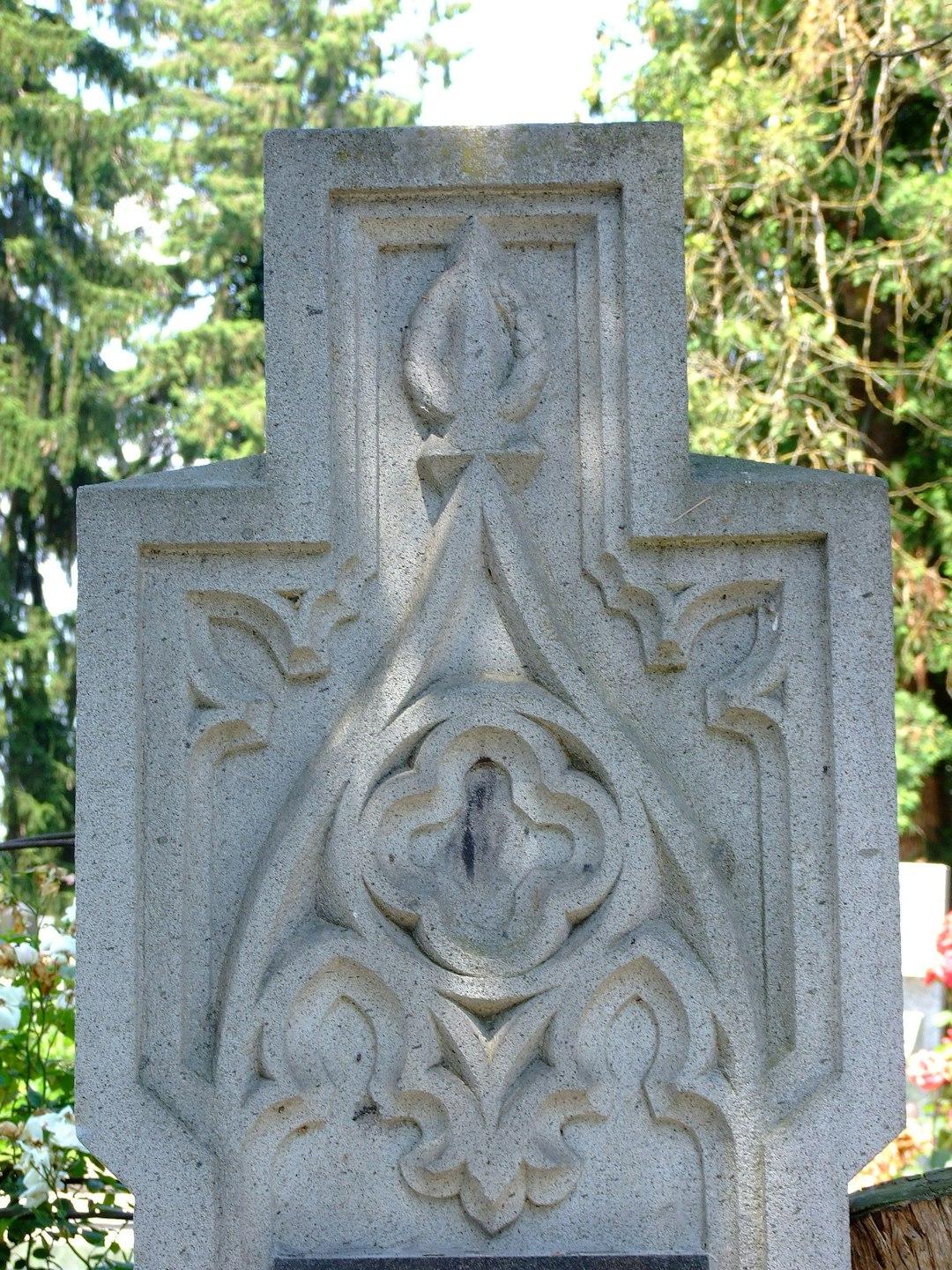

Designing tombstone is a profound way to honor the memory of a loved one. It serves not only as a marker of their resting place but also as a canvas for personal expression and remembrance. By carefully considering the significance of tombstone design, material choices, and personalized elements, you can create a tribute that resonates through generations. This guide will explore the essential aspects of crafting a meaningful tombstone that beautifully reflects the individual’s life and legacy.
Understanding the Significance of Tombstone Design
Designing a tombstone is more than just a memorial; it serves as a powerful symbol of remembrance. The design captures the essence of a person’s life, personality, and legacy. Here are some key points to consider:
- Emotional Connection: A well-designed tombstone evokes feelings of love and loss, allowing family and friends to connect with their memories.
- Cultural Significance: Different cultures have unique traditions surrounding burial practices and memorial designs. Understanding these can influence the design choices you make.
- Historical Reflection: Tombstone design can reflect the era in which the individual lived, providing insights into societal values and artistic trends.
- Lasting Tribute: A thoughtfully designed tombstone endures as a tribute, ensuring that future generations remember and honor the individual’s contributions to their community.
When considering designing a tombstone, think carefully about what elements will best represent the life and legacy of your loved one. With every detail, you create a meaningful narrative that will endure through time.
Choosing the Right Materials and Styles
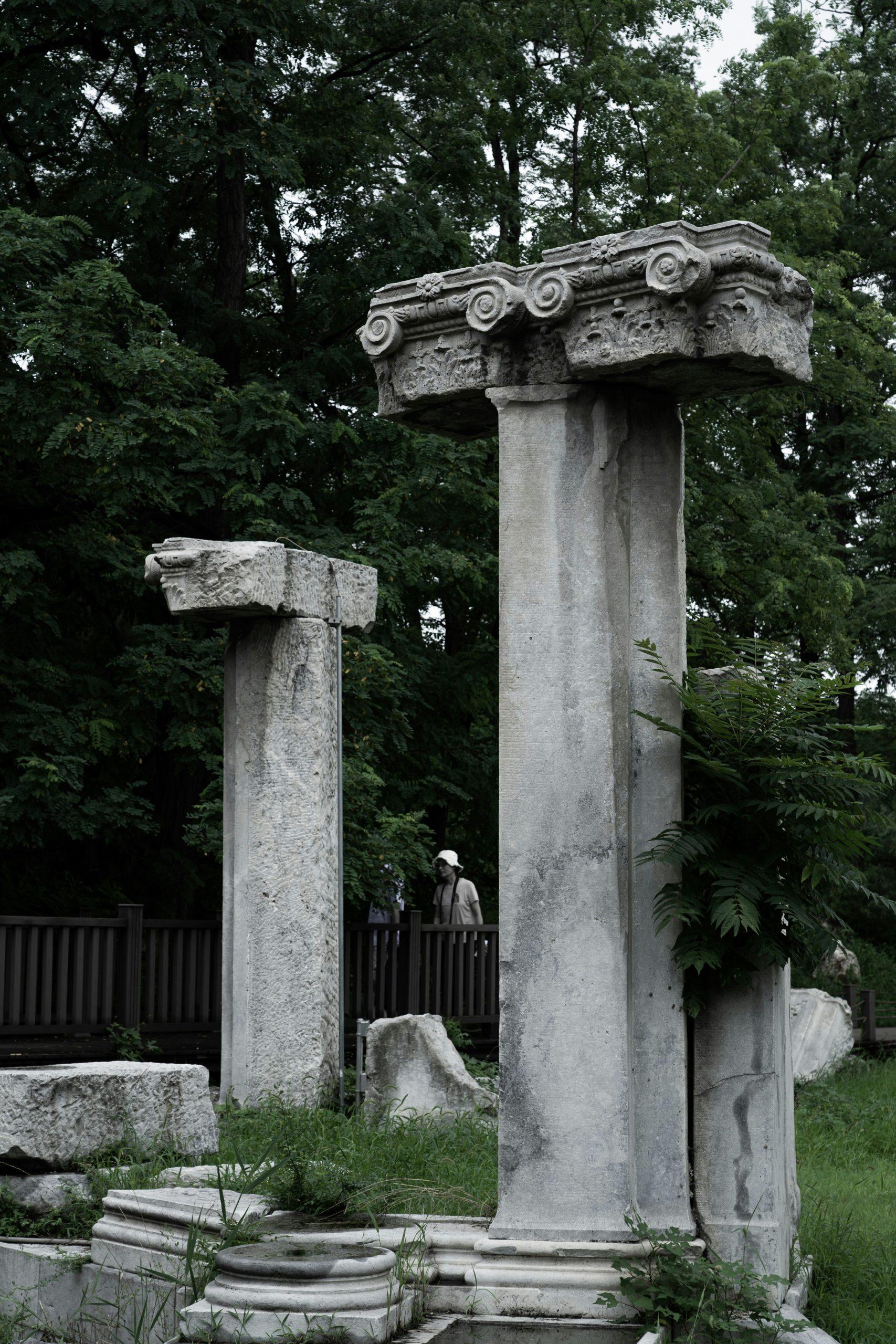
When designing a tombstone, the choice of materials and styles plays a crucial role in creating a lasting tribute. Consider the following options:
Materials
- Granite: Highly durable and resistant to weathering; available in various colors.
- Marble: Offers elegance and beauty but can be more susceptible to cracking.
- Bronze: Often used for plaques, adds a classic touch, and requires less maintenance.
Styles
- Upright tombstones: Traditional, allowing for elaborate designs and engravings.
- Flat Grave Markers: Subtle and sleek, perfect for minimalist aesthetics.
- Corner Markers: Ideal for commemorating multiple individuals in one plot.
Factors to Consider
- Longevity: Choose materials known for their durability to withstand environmental elements.
- Aesthetic Appeal: Select a style that reflects the personality and values of the individual being commemorated.
- Budget: Analyze the costs of different materials and styles to find an optimal balance.
Ultimately, designing a tombstone with the right materials and styles ensures that it honors the memory effectively while standing the test of time.
Incorporating Personal Touches and Symbols
When designing a tombstone, adding personal touches and symbols helps capture the essence of the individual’s life and values. Here are some ways to incorporate these meaningful elements:
- Symbols that Reflect Interests: Use symbols that represent hobbies or passions, such as musical notes for a music lover or a book for an avid reader.
- Personal Quotes or Sayings: Select a cherished quote or a meaningful saying that encapsulates the individual’s philosophy or spirit. This adds depth to the tombstone’s message.
- Family Emblems: Including family crests or emblems can signify proud heritage. It connects the tombstone to the family’s legacy.
- Nature Elements: Consider symbols from nature, like flowers or trees, which can represent growth, beauty, and continuity.
- Religious or Spiritual Symbols: Integrating these symbols can reflect the person’s faith and beliefs, providing comfort to mourners.
By thoughtfully incorporating these expressions while designing a tombstone, you create a lasting tribute that resonates with visitors and preserves cherished memories for generations to come.
Maintaining Your Tombstone for Future Generations
Designing tombstone also entails considering its longevity and upkeep. Proper maintenance ensures that the tombstone remains a poignant memorial for years to come. Here are key steps to help preserve this lasting tribute:
- Regular Cleaning: Clean the stone periodically using mild soap and water. Avoid harsh chemicals, as they can damage the material.
- Inspect Frequently: Check for cracks or any structural damage. Early detection allows for timely repairs, preventing further deterioration.
- Sealants: Applying a sealant can protect against weathering and staining, particularly for porous materials.
- Weather Protection: Consider the effects of local weather conditions. For instance, in areas with freezing temperatures, frost-proof materials may be essential.
- Plant Maintenance: If you incorporate landscaping around the tombstone, ensure that any plants do not obstruct or damage the monument over time.
By actively maintaining your designed tombstone, you create a reverent space that honors your loved one while also providing a meaningful legacy for future generations to cherish.
Frequently Asked Questions
What materials are commonly used for crafting tombstones?
tombstones can be crafted from a variety of materials, each with its unique characteristics and aesthetic appeal. The most common materials include granite, which is durable and available in various colors; marble, known for its elegance and smooth finish but less durable than granite; and bronze, often used for plaques due to its resistance to weather elements. Additionally, some manufacturers may use stone composites or even wood for less traditional designs. Choosing the right material depends on factors such as longevity, personal preference, and budget.
How do I design a tombstone that reflects the personality of my loved one?
Designing a tombstone that truly reflects the personality of your loved one requires thoughtful consideration of their life, interests, and values. Begin by brainstorming elements that represent who they were, such as hobbies, favorite quotes, or symbols that signify their beliefs or passions. You might consider incorporating unique shapes, colors, or images that resonate with their personality. Collaborating with a skilled designer or artist can also help in translating these ideas into a tangible design that honors their memory effectively.
What is the typical cost range for creating a custom tombstone?
The cost for creating a custom tombstone can vary significantly based on several factors, including the choice of material, design complexity, and size of the gravestone. On average, families may expect to pay anywhere from $1,000 to $3,000 for a basic granite tombstone, while more intricate designs or rare materials can escalate the price to between $5,000 and $10,000 or more. It is essential to discuss specific needs with local cemeteries or stone masons to receive accurate estimates and available options.
Are there any regulations I need to consider when designing a tombstone?
Yes, there are typically regulations and guidelines set by cemeteries regarding the design and installation of tombstones. These rules may cover aspects such as size limitations, material restrictions, and placement within the cemetery grounds. It is crucial to consult with the cemetery authority to ensure compliance with their specific regulations before finalizing your design. Additionally, some local laws may govern the inscription on tombstones, so it’s advisable to confirm these requirements to avoid any potential issues.