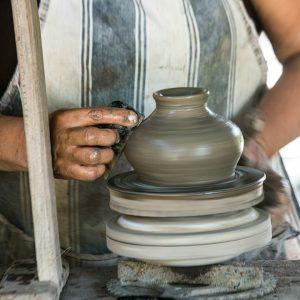
Unique Salt Urns: A Blend of Nature and Remembrance



In recent years, the emergence of unique salt urns has captivated those seeking meaningful ways to honor loved ones. These urns blend natural materials with personal significance, offering a striking alternative to traditional memorial practices. Crafted from sustainable elements, unique salt urns serve not only as a vessel for remembrance but also as a statement of environmental consciousness. As we explore the history, materials, and customization options available, it becomes evident that these urns beautifully encapsulate the essence of life and nature, allowing us to celebrate memories in a harmonious way.
The history and significance of salt urns
Unique salt urns have a rich and fascinating history that connects humanity with nature. Traditionally, people used salt urns to store ashes, reflecting a profound understanding of life and death. Here are some key points highlighting their significance:
- Cultural Roots: Many ancient civilizations, such as the Egyptians and Greeks, utilized urns for storing remains as a way of preserving memory and honoring loved ones. The unique salt urn symbolizes the natural cycle of life, acting as a vessel for both remembrance and continuity.
- Symbolism of Salt: Salt represents purification and preservation. In many cultures, it signifies the essence of life and regeneration, making the unique salt urn not just a storage space, but a meaningful tribute.
- Modern Relevance: Today, individuals often seek unique salt urns as eco-friendly alternatives to traditional burial methods. They serve as personal monuments commemorating lives while respecting the environment.
In summary, the unique salt urn bridges ancient traditions with contemporary practices, embodying a respect for both memory and nature.

Materials used in crafting unique salt urns
Creating a unique salt urn involves thoughtful selection of materials that not only enhance its aesthetic appeal but also honor the eco-friendly principles behind its use. Here are the most commonly used materials:
- Natural Salt: The primary ingredient, sourced from sea or rock formations, symbolizes purity and remembrance.
- Ceramics: Often used for added durability, ceramic materials allow for intricate designs and personal touches.
- Glass: Offers transparency that beautifully showcases the salt and any decorative elements within the urn.
- Wood: Sustainably sourced, wood can add warmth and a personal connection, especially when engraved or stained.
- Biodegradable Materials: Innovations include compostable options like bamboo and recycled paper, supporting the natural cycle of life.
Comparison of Materials
| Material | Durability | Eco-Friendliness | Customization Options |
|---|---|---|---|
| Natural Salt | Moderate | High | Limited |
| Ceramics | High | Moderate | High |
| Glass | Moderate | Moderate | Moderate |
| Wood | High | High | High |
| Biodegradable | Low | Very High | Limited |
Choosing the right material for your unique salt urn enhances both its significance and your memorial practices.
Designs and Customization Options for Salt Urns
When it comes to celebrating a loved one’s memory, unique salt urns offer a delightful blend of artistry and personalization. The design of these urns reflects both their natural origin and the individuality of the person they commemorate. Here are some notable features and customization options to consider:
- Natural Textures: Crafted from salt crystals, each urn showcases unique patterns and colors. This means no two unique salt urns look alike, allowing for a truly one-of-a-kind tribute.
- Shapes and Sizes: Common shapes include traditional urn forms, sculptural designs, or even natural forms like rocks or organic shapes. Sizes can vary from small keepsakes to larger display urns.
- Engravings: Many companies offer engraving services, enabling you to add names, dates, or meaningful quotes directly onto the urn’s surface, enhancing its personal connection.
- Interior Options: Some salt urns include compartments for additional mementos, such as photographs or letters, giving families a chance to include more cherished memories.
In conclusion, customizing a unique salt urn not only enhances its aesthetic appeal but also strengthens the personal bond it represents.
The role of salt urns in eco-friendly memorial practices
Unique salt urns represent a harmonious blend of nature and remembrance, making them an ideal choice for eco-friendly memorial practices. Here’s how they contribute to sustainable memorialization:
- Biodegradable Materials: Many unique salt urns consist of natural materials, such as salt and clay, which break down over time. Unlike traditional urns made from non-biodegradable substances, these options minimize environmental impact.
- Natural Dispersal: When scattered across natural landscapes, the ashes within unique salt urns blend seamlessly with the environment, nourishing the earth and contributing to new life rather than polluting it.
- Artistic Expression: Many designs offer customization, allowing families to create a unique salt urn that reflects the individuality of their loved ones while supporting sustainable practices.
- Symbolic Connection: Salt has deep historical significance as a symbol of preservation and purity. Using a unique salt urn emphasizes the interconnectedness of life, death, and the cycles of nature.
By choosing unique salt urns, families not only honor their loved ones but also advocate for a greener planet in their memorial practices.

Frequently Asked Questions
What are unique salt urns and how are they used for remembrance?
Unique salt urns are specially designed containers that serve as a final resting place for cremated remains, often made from natural salt materials. Their distinctive feature is that they not only accommodate ashes but also dissolve gently in water, allowing for a meaningful and eco-friendly memorial. Many families choose salt urns to honor their loved ones in a way that reflects a connection to nature, offering a beautiful and serene option for scattering ashes during ceremonial rituals at sea or in natural settings.
Why choose a salt urn over traditional urns?
Choosing a salt urn over traditional urns can provide several benefits, especially for those who value environmental sustainability and nature integration. Salt urns are biodegradable and will dissolve in water over time, contributing to natural ecosystems rather than sitting in a cemetery indefinitely. They also often have a unique and aesthetically pleasing design, mirroring the beauty of the landscape, making them a beautiful tribute to the deceased. This choice can resonate greatly with individuals who want their memorial to leave a gentle mark on the earth.
Are there any specific guidelines for using a salt urn?
When using a salt urn, it is important to consider the methods of memorialization that align with its design. Most salt urns are suited for water burials due to their dissolvable nature, so family members should check local regulations concerning water scattering practices. Additionally, if the urn is intended for a land burial, it is essential to ensure it is placed in an area that permits biodegradable urns and is free from obstructions. As with any memorial, personalizing the service to reflect the deceased’s identity and wishes is essential.
How do I ensure the quality and authenticity of a salt urn?
To ensure the quality and authenticity of a salt urn, purchase from reputable suppliers who specialize in eco-friendly memorial products. These suppliers often provide information about the materials and production methods used, confirming that the urn is genuinely made from natural salt. Checking customer reviews and testimonials can also provide insights into the product’s reliability. Lastly, it is beneficial to verify certifications or guarantees regarding the urn’s biodegradable properties and overall craftsmanship.