Craftsmanship in Spirit Pieces Urns: An Art Form

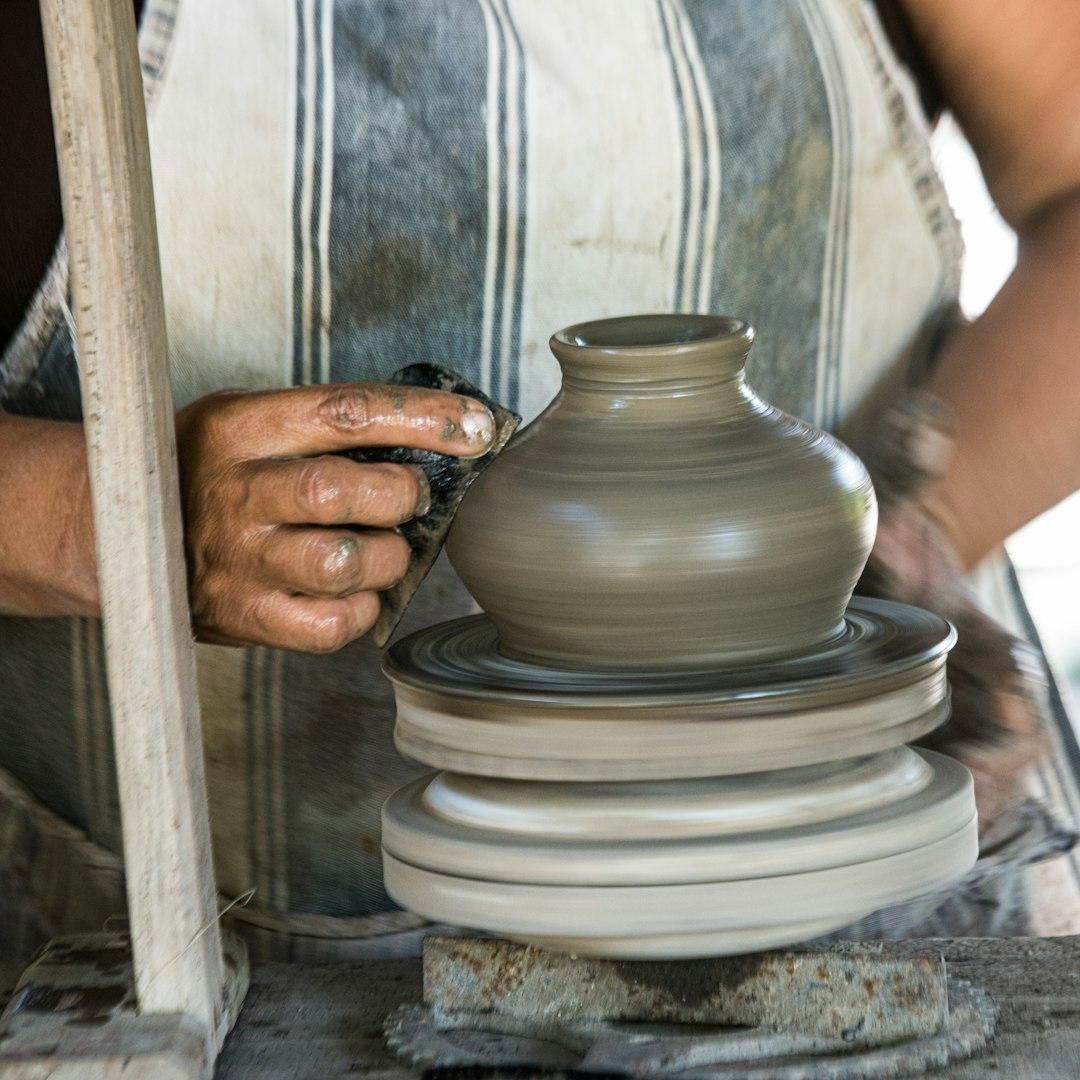

Craftsmanship in spirit pieces urns embodies a rich tradition that marries artistry with purpose. These unique memorials are crafted from a variety of materials, showcasing techniques passed down through generations. Each urn not only serves as a final resting place but also reflects the personal story of the departed, making the significance of personalization paramount. As we explore the history and artistry behind spirit pieces urns, we uncover how this craftsmanship has evolved, capturing the essence of individual lives through thoughtful design and skilled workmanship.
The History of Spirit Pieces Urns Craftsmanship
The craftsmanship in spirit pieces urns has evolved dramatically over the centuries. Initially, ancient cultures used simple vessels made from natural materials like clay and wood to honor their deceased. As time progressed, artisans began to explore more intricate designs and materials, enhancing the cultural significance of these urns.
Key milestones in the history of craftsmanship in spirit pieces urns include:
- Ancient Egypt: The famed canopic jars demonstrated early artistry, using intricate carvings and inlay work to protect the deceased’s organs.
- Chinese Dynasties: Ash urns from this period featured elaborate motifs, often symbolizing harmony and balance.
- Modern Era: Today, artisans blend traditional techniques with contemporary styles, using locally sourced materials and sustainable practices.
This ongoing journey showcases how craftsmanship in spirit pieces urns not only reflects cultural identity but also serves as a profound testament to the artistry and emotional connection involved in commemorating life. By appreciating this rich history, we honor the legacy of those who come before us.
The materials used in creating spirit pieces urns
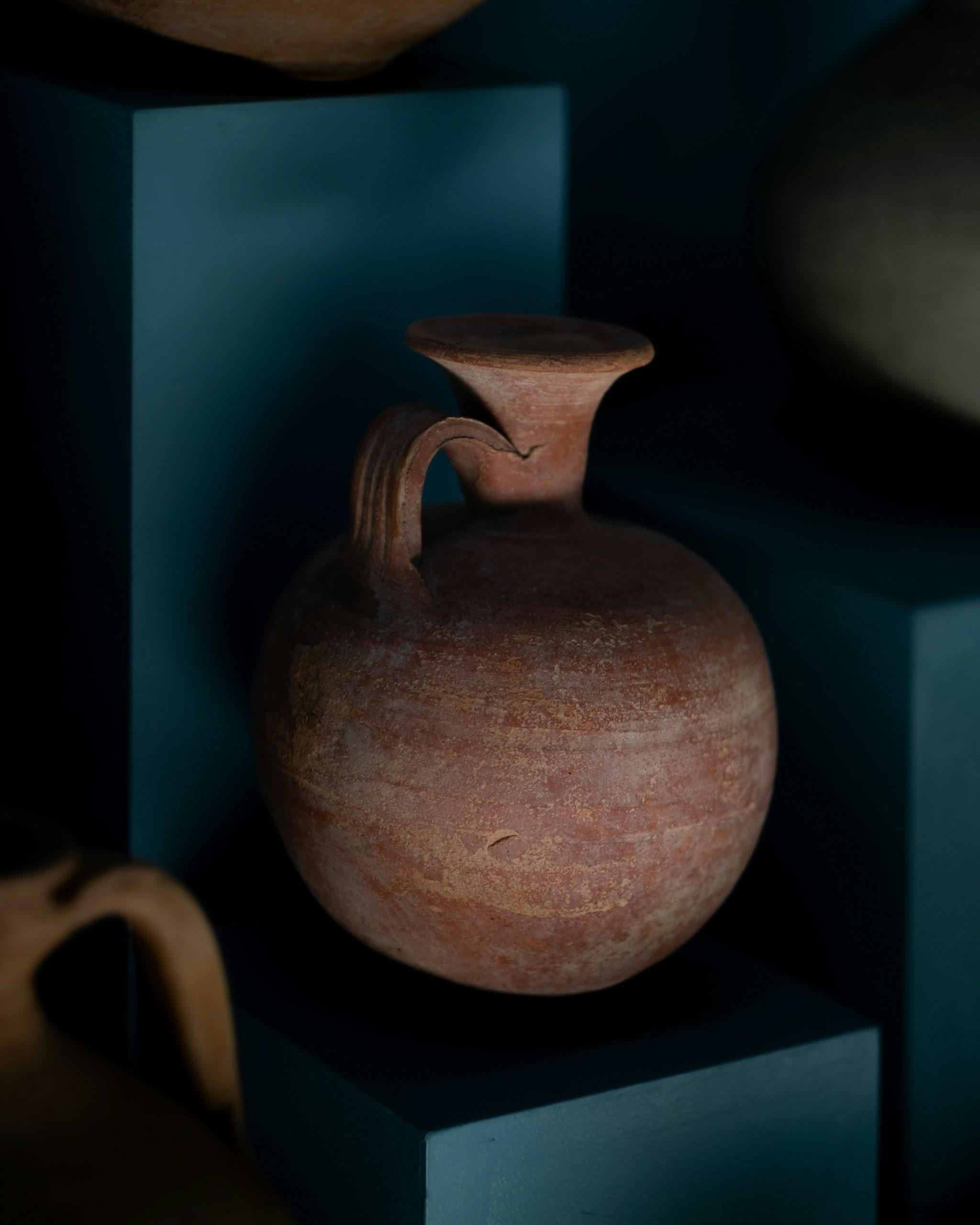
Craftsmanship in spirit pieces urns involves a variety of high-quality materials that enhance both the aesthetic and functional aspects of the urns. Here are some commonly used materials:
- Ceramic: Offers versatility in design, allowing for intricate details and customization.
- Wood: Provides a natural and warm appearance, often used for creating a timeless and classic look.
- Metal: Stainless steel and bronze add an elegant touch, ensuring durability and longevity.
- Glass: Ideal for creating visually stunning designs, glass allows for personalization, such as etched names or images.
Material Comparison Table
| Material | Durability | Customization | Aesthetic Appeal |
|---|---|---|---|
| Ceramic | Moderate | High | Elegant and Classic |
| Wood | High | Moderate | Natural and Rustic |
| Metal | Very High | Low | Modern and Sleek |
| Glass | Low | High | Beautiful and Unique |
Ultimately, the craftsmanship in spirit pieces urns reflects the choice of materials. Selecting the right material enhances the urn’s emotional connection, ensuring it resonates with the spirit it commemorates. These quality materials also allow artisans to showcase their artistic skill, blending functionality with heartfelt remembrance.
Techniques that Define the Art of Spirit Pieces Urns
The craftsmanship in spirit pieces urns is elevated by several techniques that artisans use to transform raw materials into beautiful memorials. Each technique contributes to the overall aesthetics and symbolism of the urn.
- Hand-Carving:
- Artisans meticulously hand-carve designs that reflect personal stories or cultural symbols.
- This technique allows for intricate detailing, adding character and depth.
- Casting:
- Using molds, artisans can create urns with complex shapes and patterns.
- This method is efficient and ensures uniformity while still allowing for unique finishes.
- Engraving:
- Engraved inscriptions personalize each piece, making it unique.
- Techniques vary from simple text to elaborate scenes depicting memories.
- Glazing:
- Ceramics and certain metals can be finished with glazes to enhance color and texture.
- The right glaze can provide a lustrous appearance, showcasing the craftsmanship in spirit pieces urns.
- Mixed Media:
- Incorporating different materials, such as wood, metal, or glass, creates visually striking urns.
- This technique highlights the versatility and creativity of the artist.
In summary, the diverse techniques in creating spirit pieces urns not only demonstrate exceptional craftsmanship but also ensure that each urn is a lasting tribute to cherished memories.
The significance of personalization in spirit pieces urns
Personalization adds profound meaning to craftsmanship in spirit pieces urns, creating a lasting tribute to a loved one. When urns are tailored to reflect the unique qualities of the deceased, they become more than mere vessels; they embody memories and emotions.
Key aspects of personalization include:
- Custom Designs: From engraved names to intricate motifs, personalized elements make an urn distinctive.
- Choice of Materials: Families can select from various materials like wood, metal, or ceramic, each offering different aesthetics and significance.
- Incorporation of Symbols: Adding symbols such as hearts, crosses, or nature elements reflects personal beliefs and passions.
By transcending conventional designs, the craftsmanship in spirit pieces urns captures the essence of the individual. This custom approach fosters connection and remembrance, allowing families to celebrate their loved ones meaningfully. Ultimately, the significance of personalization transforms urns into cherished heirlooms, signifying love, honor, and legacy.
Frequently Asked Questions
What are spirit piece urns and how are they different from traditional urns?
Spirit piece urns are unique memorial containers designed to hold the ashes of loved ones while embodying artistic craftsmanship. Unlike traditional urns, which often prioritize functionality over aesthetics, spirit piece urns are created as works of art that reflect the personality and essence of the individual they commemorate. They are typically made from various materials such as glass, wood, or metal, and feature intricate designs that often represent the deceased’s life, passions, or heritage.
What materials are commonly used in crafting spirit piece urns?
Craftsmanship in spirit piece urns involves a variety of materials that can enhance their aesthetic appeal. Common materials include glass, which allows for vibrant colors and intricate designs, as well as wood for a more classic and organic feel. Metal, such as brass or stainless steel, is also used for a sleek, modern look. Each material brings its own character and can be shaped through skilled techniques to create a meaningful tribute.
Why should someone choose a spirit piece urn rather than a traditional urn?
Choosing a spirit piece urn over a traditional urn can offer a more personalized and artistic way to honor a loved one’s memory. Spirit piece urns not only serve as containers for ashes but also as decorative art pieces that can be displayed in the home. This approach allows families to celebrate the unique qualities of the deceased, making the memorialization process more meaningful and tailored to individual tastes, thus facilitating emotional healing.
How is the craftsmanship of spirit piece urns typically achieved?
The craftsmanship of spirit piece urns is achieved through a combination of traditional artisan techniques and modern methods. Skilled artisans may utilize hand-blowing for glass urns, woodworking for bespoke designs, or metalworking to shape and engrave intricate details. Each piece often undergoes a meticulous process of design, selection of materials, and finishing touches, ensuring that the final product not only serves its purpose but also embodies a significant artistic expression.