The History of Grave Headstones: From Ancient Times to Modern Designs



In the stillness of forgotten cemeteries, the whispers of the past beckon to us through stone and etchings. As we embark on a journey through the history of grave headstones, we uncover tales that date back to ancient civilizations, where the designs reflected not only the beliefs of the time but also the artistry of their creators. From simple markers to intricate sculptures, each headstone serves as a silent storyteller, bridging the gap between generations and revealing the rich tapestry of human experience woven through the ages.
The Ancient Beginnings of Grave Markers
In the dim light of ancient civilizations, a simple yet profound gesture emerged—the use of grave markers. The history of grave headstones predates written records, tracing back to the beginnings of human culture when communities began to honor their departed.
In early societies, graves often featured markings that ranged from natural stones to elaborate structures. For example:
- Prehistoric Cultures: Evidence suggests early humans used large stones or mounds (tumuli) to mark burial sites, signaling respect and remembrance.
- Egyptian Civilization: The Egyptians took it a step further, crafting intricate tombs adorned with elaborate hieroglyphs. These symbols were not merely decorative—they served to honor the deceased and guide their spirits in the afterlife.
- Mesopotamia: Similarly, the Sumerians utilized clay tablets, inscribing the names of the dead, acting as an eternal record to acknowledge their existence.
As these practices evolved, so did the materials used. From wood to marble, the shift in gravestone composition reflected the growing complexity of societies and their beliefs.
The history of grave headstones reveals more than just memorial functions; they depict societal values, cultural practices, and spiritual beliefs of the time, telling stories that resonate through the ages. These ancient markers paved the way for the sophisticated designs we see today, bridging the gap between past and present in our collective memory.

Evolving Styles Through the Ages
As we traverse the History of Grave Headstones, it becomes evident that the styles and materials used in these memorials have transformed dramatically over the centuries. Each era brought its unique artistic touch, reflecting the cultural values and technological advancements of its time.
- Ancient Civilizations: Early grave markers often took the form of simple stones, displaying minimalistic carvings. For instance, the Egyptians favored elaborate sarcophagi adorned with hieroglyphics and depictions of the deceased’s life.
- Medieval Era: As we moved into the Middle Ages, headstones became more ornate. The introduction of effigies and intricate carvings represented the social status of the buried. These gravestones often featured religious motifs, emphasizing the importance of faith in this period.
- Renaissance Revival: The Renaissance saw a shift towards classical styles. Stoneworker artisans embraced Greek and Roman influences, producing headstones adorned with columns and delicate sculptures. The History of Grave Headstones during this time was marked by an emphasis on beauty and symmetry.
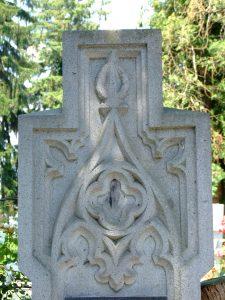
- Victorian Era: The Victorian age brought about a surge of personal expression. Gothic designs flourished, with elaborate inscriptions and symbols like angels, urns, and willow trees that conveyed deep sentiment and mourning.
- Modern Designs: Today, the trend is towards minimalism and personalization. Families increasingly opt for unique materials such as glass or stainless steel, and many headstones now incorporate photographs and QR codes, merging traditional and contemporary methods in honoring loved ones.
This evolving narrative in the History of Grave Headstones reflects not only artistic growth but also the deepening connections between cultures and their memorial practices.
The Cultural Significance of Headstone Designs
The History of Grave Headstones is not merely a timeline of stone and inscription; it is a tapestry woven with the threads of culture and belief. Across epochs and civilizations, grave markers served not only to memorialize the departed but to reflect the values, beliefs, and artistic expressions of society.
Cultural Reflections in Headstone Designs:
- Religious Symbolism: In many cultures, headstones prominently feature religious motifs. The cross in Christian contexts, for instance, indicates faith and resurrection. Similarly, Islamic tombstones often display intricate calligraphy, emphasizing reverence for the divine.
- Artistic Expressions: From the elaborate carvings of ancient Egypt to the minimalist approaches of contemporary designs, artists let their creativity flow into grave markers. Each design captures the essence of the era, showcasing trends in artistry and craftsmanship.
- Cultural Identity: Specific symbols associated with cultures, like Celtic knots in Irish gravestones or the lotus flower in Eastern traditions, not only mark the grave but tell a story of ancestry and identity.
- Emotional Connection: Grave stones whisper stories of love, loss, and remembrance. They serve as touchstones for the bereaved, offering solace and a place for reflection.
Thus, through the History of Grave Headstones, we see how these designs transcend stone—they resonate deeply, representing a culture’s heart and soul.
Modern Innovations and Trends in Memorialization
As we delve into the History of Grave Headstones, we can’t ignore the exciting transformations that have taken place in recent times. In the face of modernization, memorialization has become an art that embraces both tradition and innovation.
Here are some key trends redefining memorialization today:
- Personalized Designs: Gone are the days of generic headstones. Families now seek unique designs that tell the story of the individual. From custom engravings to 3D images, the ability to personalize headstones allows loved ones to celebrate a person’s life more vividly.
- Eco-Friendly Options: Many are turning towards sustainable materials like biodegradable caskets and plantable urns. These choices serve not only as a tribute but contribute to environmental conservation, marking a significant style shift in the History of Grave Headstones.
- Digital Monuments: With technology taking leaps, digital platforms now allow virtual memorials where families can share photos, videos, and memories. This trend melds the physical and digital worlds, providing a space for ongoing remembrance.
- Augmented Reality (AR): Imagine pointing your phone at a headstone and seeing the individual’s story unfold before your eyes! AR integrates information, allowing visitors to learn more about the deceased in a captivating manner.
Modern innovations in memorialization reflect our deepening understanding of connections and heritage, ensuring the History of Grave Headstones continues to evolve in meaningful ways.

Frequently Asked Questions
What are the earliest known grave headstones, and what materials were used to create them?
In the ancient world, grave markers were often simple and unadorned, made from natural materials like stone and wood. Some of the earliest headstones found, dating back thousands of years, were carved from limestone or granite, providing a durable yet humble tribute to the departed. These markers sometimes featured inscriptions or symbols that signified a person’s life or status in society, drawing from the available resources in their environment and reflecting the culture at the time.
How have grave headstone designs evolved over the centuries?
The evolution of grave headstone designs parallels the changes in art, culture, and technology through history. In the Middle Ages, for instance, Europeans began to engrave more elaborate designs, often incorporating religious symbols, intricate carvings, and the deceased’s name in ornate script. By the Victorian era, headstones became even more personalized, with elaborate motifs symbolizing aspects of the deceased’s life, such as flowers or angels, marking a shift from utilitarian to sentimental representation in grave markers.
What symbolism can be found in modern grave headstone designs?
Modern grave headstone designs often embody a rich tapestry of symbolism that reflects the individual’s personality, beliefs, and legacy. Contemporary headstones may include elements such as artistic sculptures, photographs of the deceased, or etched passages reflecting their values and life philosophy. Nature-themed motifs such as trees, birds, or flowers symbolize life’s continuity and can evoke a sense of comfort for visitors. Each design tells a story, creating a unique narrative that pays tribute to life in a deeply personal way.
How does the cost of creating a grave headstone vary with design choices?
The cost of creating a grave headstone can fluctuate significantly based on various factors including materials, design complexity, and customization options. A simple flat marker can be relatively inexpensive, while a grand monument crafted from high-quality stone, featuring bespoke engravings and intricate designs, can reach high price points. Additional features like bronze plaques, base enhancements, or unique artistic representations further add to expenses. Families should consider their budget and desired personal expression when selecting a headstone.
Are there different cultural practices surrounding grave headstones around the world?
Indeed, cultural practices regarding grave headstones vary widely across the globe, influenced by religious beliefs, historical traditions, and local customs. For example, in Japan, traditional grave markers may include stone lanterns and uniquely shaped tombstones signifying a connection to nature and spirituality. In contrast, some African cultures employ colorful fabrics and floral adornments on graves, celebrating life rather than mourning death. Understanding these cultural nuances enriches our appreciation for the diverse ways societies honor their loved ones.