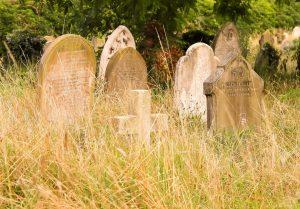
Private Cemetery vs. Public: Which is Better?



Choosing between a private cemetery and a public one can be a significant decision, influenced by personal preferences, family traditions, and budget considerations. Private cemeteries often provide a more serene and customizable environment, while public cemeteries may offer cost-effective options for families. As you navigate this emotional journey, understanding the distinctions and benefits of each will be crucial in making the right choice for your needs. In this post, we will explore the essential features of private and public cemeteries to help guide you in selecting the most suitable resting place for your loved ones.
Understanding Private Cemeteries
A private cemetery offers a distinct alternative to public burial grounds. These establishments are typically owned and operated by organizations or individuals, allowing for a more personalized approach to memorialization. Here are some key features of a private cemetery:
- Exclusivity: Access to a private cemetery is often restricted to a specific group of people. This may include family members, friends, or members of a particular community, enhancing the sense of closeness and shared grief among those interred there.
- Customization: Many private cemeteries allow families to choose from a range of burial options, including different types of plots, mausoleums, and memorial designs. This level of customization caters to individual preferences and cultural practices.
- Enhanced Maintenance: Private cemeteries often provide superior upkeep, ensuring that the grounds are well-maintained, clean, and inviting for visitors. Regular care can create a peaceful and serene environment for remembrance.
- Potential Costs: Fees for private cemeteries can vary widely. While some may charge higher rates, this often includes additional services, such as personalized memorial options or enhanced security.
In summary, a private cemetery may provide families with greater options and a more intimate setting for honoring their loved ones, making it an appealing choice for those seeking a more tailored memorial experience.
Exploring Public Cemeteries
Public cemeteries offer a valuable and accessible option for burial and memorialization. Typically owned and maintained by municipalities, they serve the community by providing a final resting place for individuals of all backgrounds. Here are some key features and benefits of public cemeteries:
- Affordability: Public cemeteries often have lower burial costs compared to private options. This affordability can make them more accessible for families on a budget.
- Diverse Options: Public cemeteries may offer a range of burial options, including traditional graves and cremation gardens. This variety allows families to choose based on personal preferences.
- Community Connection: These cemeteries serve as historical landmarks, often reflecting local culture and heritage. Families may find comfort knowing their loved ones rest in a place that represents the community.
- Regulated Maintenance: Public cemeteries are usually required to adhere to strict maintenance standards, ensuring well-kept grounds and facilities for visitors.
- Limited Customization: Unlike private cemeteries, public cemeteries might have restrictions on the types of markers and adornments. This ensures uniformity but may limit personal expression.
When considering burial options, it’s essential to weigh the benefits of public cemeteries against those of a Private Cemetery. Each has its unique advantages that cater to different needs and preferences.
Comparative Benefits of Private Cemeteries
Choosing a Private Cemetery can offer numerous advantages over public counterparts. Here are some key benefits to consider:
- Customization: A Private Cemetery typically allows for personalized burial options. Families can choose plots, headstones, and memorial designs that reflect individual preferences and honor their loved ones in a unique manner.
- Maintenance and Care: Private cemeteries often maintain higher standards of care. Regular landscaping, clean facilities, and organized grounds ensure a serene environment for families visiting their loved ones.
- Exclusivity and Privacy: As the name suggests, Private Cemeteries provide a more exclusive atmosphere. This sense of privacy can be comforting, allowing families to grieve without the interruptions commonly found in public spaces.
- Additional Services: Many Private Cemeteries offer a range of supplementary services, such as grief counseling, memorial events, and even family plots for generations. These services help families feel supported during difficult times.
- Security: Enhanced security measures are often in place at private sites. Surveillance systems and restricted access help ensure the safety of the premises, providing peace of mind for families.
Ultimately, the choice among private and public options depends on your specific needs, but a Private Cemetery can deliver a comforting and tailored experience during a challenging time.
Comparative Benefits of Public Cemeteries
Public cemeteries often serve as essential components of community life, offering several benefits when compared to private cemeteries. Here are some advantages to consider:
- Affordability: Public cemeteries typically charge lower fees than private cemeteries. This makes them an appealing option for families on a budget.
- Accessibility: Located throughout urban and rural settings, public cemeteries are more easily accessible to the general population. Their well-maintained paths and open spaces make visits convenient.
- Diverse Options: Many public cemeteries provide a range of burial options, including traditional plots, cremation niches, and green burial areas, catering to various preferences and beliefs.
- Community Involvement: Public cemeteries often host community events, services, and commemorations, fostering a sense of belonging and allowing families to connect with others who share similar experiences.
- Historical Significance: Some public cemeteries showcase rich histories and notable interments. They not only serve as places of remembrance but also as sites for local history and heritage.
| Feature | Public Cemetery | Private Cemetery |
|---|---|---|
| Cost | Generally lower | Typically higher |
| Accessibility | Widely accessible | May be more remote |
| Burial Options | Diverse and varied | Limited sets of choices |
| Community Engagement | Active community involvement | Less community integration |
| Historical Value | Often rich in local history | Variable historical significance |
In conclusion, while private cemeteries offer their own unique benefits, public cemeteries present a cost-effective and community-oriented choice for many families.
Making the Right Choice for Your Needs
Choosing between a private cemetery and a public cemetery can be a deeply personal decision. Each option has its unique advantages and considerations. To help you determine which might be the right fit for you and your family, consider the following factors:
- Cost:
- Private Cemetery: Typically more expensive due to exclusive services and amenities.
- Public Cemetery: Often more budget-friendly, providing basic interment services.
- Location:
- Private Cemetery: Often located in serene environments with controlled access.
- Public Cemetery: May be more centrally located, providing easier access for visitations.
- Availability of Services:
- Private Cemetery: Offers extensive options for memorial services, custom headstones, and perpetual care.
- Public Cemetery: Limited services compared to private cemeteries, which might focus on basic interment options.
- Community Engagement:
- Private Cemetery: May offer a more intimate atmosphere and community support.
- Public Cemetery: Generally serves a broader demographic, often hosting community events.
- Personal Preferences: Reflect on what values are most important to you. For instance, if privacy and personalization are essential, a private cemetery might resonate more. However, if accessibility and affordability are priority concerns, a public cemetery could be the better solution.
Ultimately, weigh these aspects against your family’s needs and values to make an informed choice that honors the memory of your loved ones.
Frequently Asked Questions
What are the main differences between private and public cemeteries?
The primary difference between private and public cemeteries lies in ownership and management. Private cemeteries are typically owned by individuals or organizations and are operated for profit, often providing more personalized services and exclusive burial options. In contrast, public cemeteries are government-managed and prioritize affordability and accessibility, offering standard burial services to the community. Additionally, the atmosphere and maintenance services may differ, with private cemeteries often showcasing well-manicured landscapes.
Are private cemeteries more expensive than public ones?
Generally, private cemeteries tend to be more expensive than public ones due to their enhanced services, amenities, and exclusive burial sites. The costs associated with private cemeteries often include not only the burial plot but also additional fees for maintenance, perpetual care, and personalized memorial services. Conversely, public cemeteries usually offer more affordable options, making them a favorable choice for individuals or families on a tighter budget.
Can I personalize a burial plot in a public cemetery?
Yes, many public cemeteries do allow for a level of personalization within the burial plots, although the extent can vary significantly by location and specific regulations. While you may be limited to certain types of markers or decorations, most public cemeteries strive to accommodate personal requests and memorialize loved ones respectfully. It’s advisable to check with the specific cemetery to understand their rules regarding personalization and what options are available.
Are there any legal requirements for choosing between a private or public cemetery?
The legal requirements for selecting a burial site in either a private or public cemetery are typically regulated at the local or state level, and often involve considerations such as zoning laws, cemetery licenses, and land use regulations. While individuals have the right to choose where to be buried, it’s important to be aware of any specific laws that may affect the transfer of rights or the use of plot space. Consulting with local authorities or cemetery representatives can provide clarity on legal obligations.
What factors should I consider when choosing between a private and public cemetery?
When deciding between a private and public cemetery, several factors should be considered. These include budget constraints, desired services and amenities, the location’s accessibility for family and friends, rules regarding personalization of burial sites, and overall atmosphere. It’s also beneficial to visit both types of cemeteries, assess their maintenance standards, and research reviews from others who have used them. These insights will help ensure that the final resting place aligns with your wishes and values.