How to Choose the Perfect Grave Urn in 2026

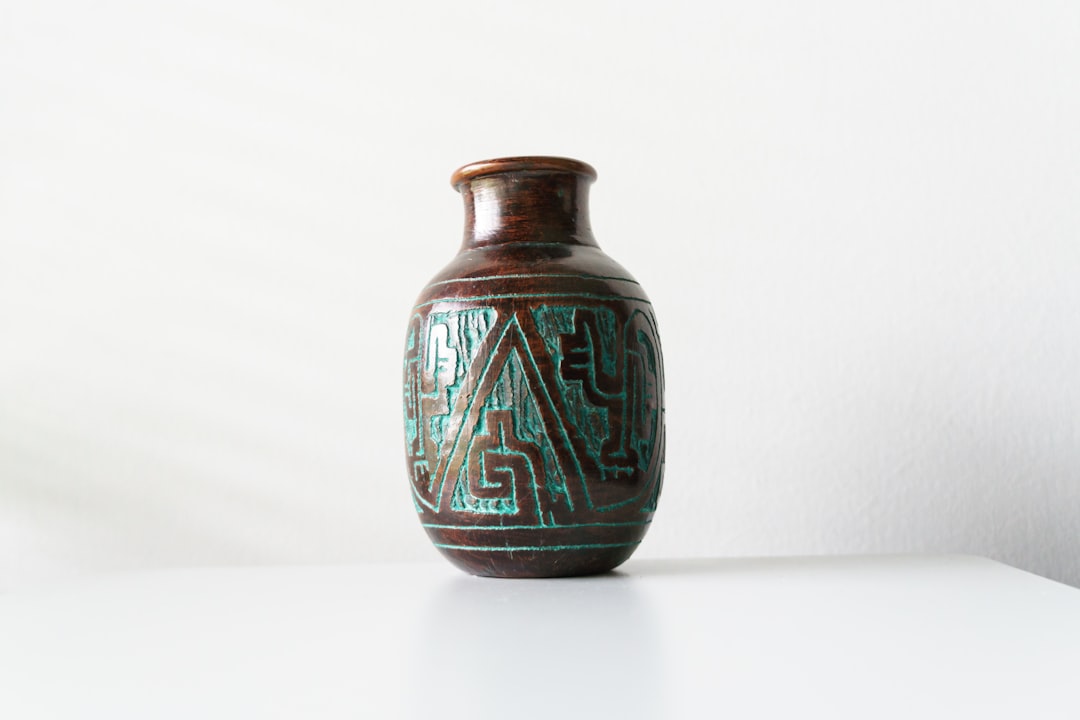

Choosing a grave urn in 2026 requires careful consideration of various factors to ensure it honors your loved one’s memory. With an array of materials, styles, and personalization options available, understanding the different types of grave urns is crucial. This guide will help navigate the complexities involved in selecting the right grave urn 2026, providing insights on construction materials, pricing guidelines, and essential factors to consider. Making an informed choice can bring peace and comfort during a challenging time, allowing you to cherish the legacy of those you hold dear.
Understanding the Different Types of Grave Urns
Choosing a grave urn 2026 involves understanding the various types available, each designed to meet different preferences and needs. Here’s an overview of the primary types of grave urns to help you make an informed decision:
- Traditional Urns: These classic designs represent elegance and stature. They often feature intricate carvings or engravings that reflect the deceased’s personality.
- Biodegradable Urns: Ideal for those wishing to return to nature, biodegradable urns decompose over time, often containing seeds to grow a tree or plant.
- Keepsake Urns: Smaller in size, keepsake urns allow family members to share a portion of the ashes. They often serve as beautiful reminders of a loved one.
- Cremation Jewelry: A unique option, cremation jewelry incorporates a small amount of ashes within a pendant or ring, allowing loved ones to carry a piece of the deceased with them.
- Columbarium Niches: For those considering placement in a columbarium, specialized urns fit within dedicated niches, combining beauty and practicality.
When selecting a grave urn 2026, consider factors such as the deceased’s personality, the burial site, and how you wish to honor their memory. Understanding these types provides a solid foundation for making a meaningful choice.
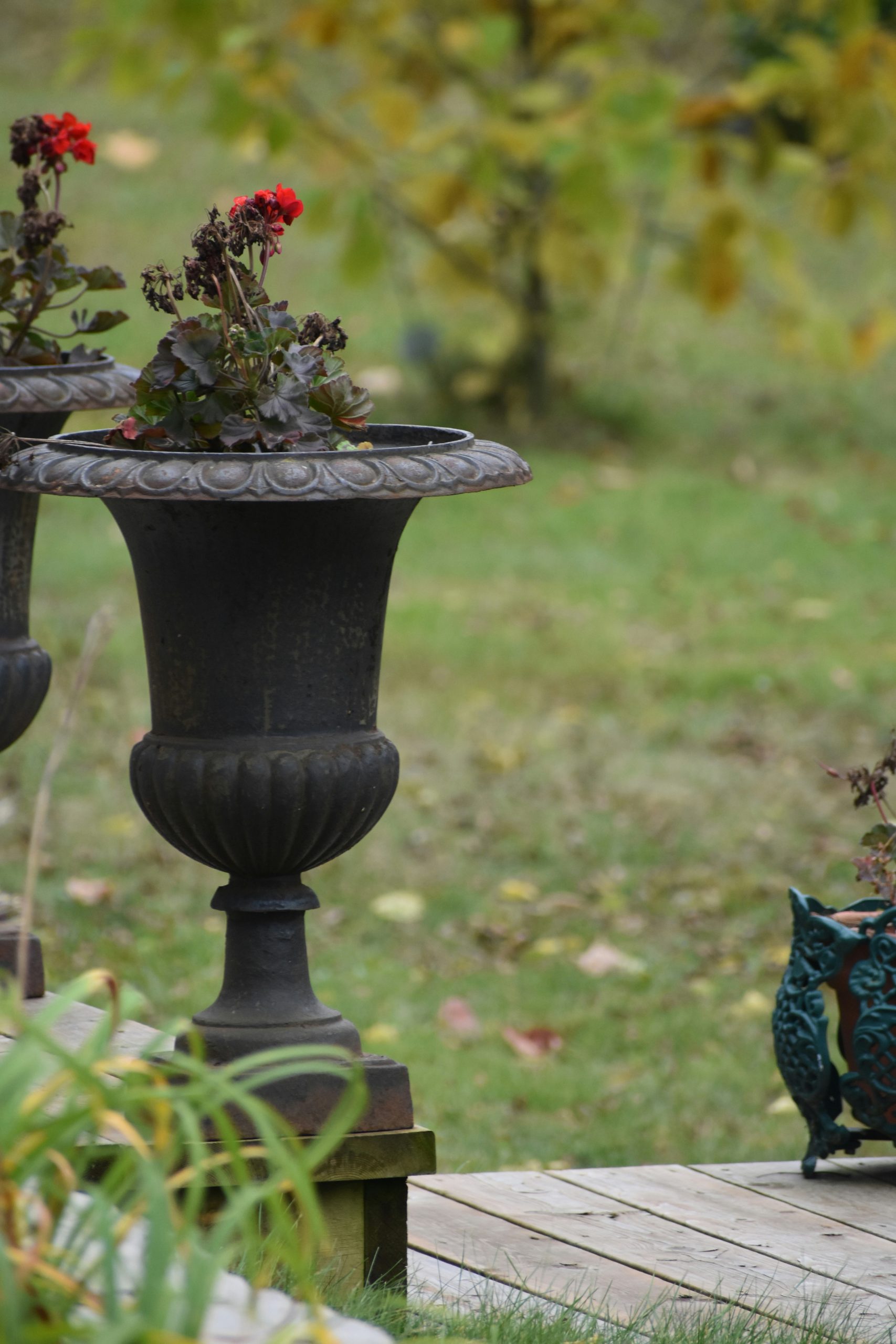
Factors to Consider When Selecting a Grave urn
Choosing the right grave urn in 2026 involves careful consideration of various factors to ensure it meets both aesthetic and functional needs. Here are the key aspects to keep in mind:
- Size: Determine the appropriate size based on the deceased’s weight. Standard urns typically accommodate ashes from a person weighing up to 200 pounds. If you require multiple urns or remain unsure about capacity, consult with a professional.
- Material: The material of a grave urn affects its durability and appearance. Options include:
- Metal: Durable and sophisticated, often suitable for outdoor placement.
- Ceramic: Offers a classic look but may be less durable.
- Wood: Provides a warm, natural feel but requires proper care to avoid damage.
- Style: Urns come in various designs, from traditional to modern. Consider the deceased’s personality or the family’s preferences. A grave urn 2026 should resonate with the memory of the individual.
- Functionality: Evaluate whether you need a permanent or temporary urn. Some families opt for temporary options during memorial services, transitioning to a more permanent grave urn 2026 later.
- Budget: Prices can range significantly, so set a budget beforehand. Compare different urns, ensuring you balance cost with quality and aesthetics.
By considering these factors, you can choose a grave urn that honors your loved one beautifully and respectfully.
Materials Used in Grave urn Construction
When selecting a grave urn in 2026, understanding the materials used in its construction is crucial. Various options cater to different preferences and needs, each offering unique features. Here are the most popular materials:
- Ceramic:
- Durability: Resistant to weather elements.
- Design: Available in various colors and intricate designs.
- Metal:
- Types: Options include brass, bronze, and stainless steel.
- Longevity: Highly durable, often resistant to corrosion and tarnishing.
- Wood:
- Aesthetics: Provides a natural, warm look.
- Customization: Can be carved or engraved for personalization.
- Biodegradable Materials:
- Environmentally Friendly: Made from natural substances, allowing for decomposition over time.
- Choices: Includes bamboo, paper, and other eco-friendly composites.
- Glass:
- Visual Appeal: Offers a unique, artistic design.
- Fragility: Less durable than other materials; better suited for indoor displays.
Comparison Table of Materials
| Material | Durability | Customization | Environmental Impact |
|---|---|---|---|
| Ceramic | High | Moderate | Low |
| Metal | Very High | Low | Low |
| Wood | Moderate to High | High | Moderate |
| Biodegradable | Low to Moderate | High | High |
| Glass | Low | Moderate | Moderate |
When choosing a grave urn in 2026, consider these materials alongside your personal preferences and the environment in which the urn will be placed. Each material offers its own set of benefits, allowing you to select the perfect grave urn that honors your loved one’s memory.
Personalization Options for Grave Urns
When selecting a grave urn 2026, personalization options allow you to honor your loved one in a meaningful way. Customized elements reflect the individual’s personality, beliefs, or memories. Here are some popular choices:
- Engraving: Many urns can be engraved with names, dates, or special messages. This provides a personal touch and helps to memorialize your loved one.
- Artwork and Imagery: Consider selecting urns that feature personalized artwork or imagery. This might include favorite colors, symbols, or designs that resonate with the deceased’s life.
- Photo Frames: Some grave urns come with built-in photo frames, allowing you to display a cherished picture. This feature adds a personal connection for family and friends who visit.
- Unique Shapes and Styles: Look for urns in various shapes that reflect the deceased’s interests—such as hearts for romantic souls, or seashells for beach lovers.
- Cultural Features: If your loved one followed a specific faith or cultural tradition, consider urns that honor these practices, reflecting respect for their heritage.
Choosing a personalized grave urn 2026 ensures a tribute that goes beyond traditional designs, making the memorial truly unique and memorable. Think about what would have mattered to your loved one and select an option that resonates with their life story.

Guidelines for Purchasing and Pricing of Grave Urns
When selecting a grave urn 2026, it’s essential to understand both the purchasing process and pricing factors. Here are some key guidelines to consider:
Research and Budget
- Determine Your Budget: Establish a budget before exploring options. Grave urn prices can range significantly, typically from $50 to over $2,000, depending on various factors like material and design.
- Visit Reputable Suppliers: Compare prices from different suppliers, including funeral homes, cemeteries, and online retailers. Each may offer unique pricing and selection.
Pricing Factors
Several factors influence the pricing of a grave urn:
| Factor | Description |
|---|---|
| Material | Brass, ceramic, wood, or biodegradable options vary in cost. |
| Design Complexity | Simple vs. elaborate designs can affect the price. |
| Personalization | Customized engravings or unique features may increase costs. |
Consider Additional Costs
- Shipping Fees: If purchasing online, check for potential shipping and handling fees, especially for larger urns.
- Maintenance and Care: Some materials require more upkeep, adding to long-term costs.
Final Tips
- Ask Questions: Don’t hesitate to ask suppliers about warranties, return policies, and the urn’s longevity.
- Shop Around: Take your time. Finding the right grave urn 2026 is important for honoring your loved one appropriately.
Frequently Asked Questions
What materials are commonly used for grave urns, and how do they affect the urn’s durability?
Grave urns are typically made from a variety of materials including metal, wood, ceramic, and biodegradable options. Metal urns, such as those made from stainless steel or brass, offer excellent durability and resistance to the elements, making them ideal for outdoor settings. Wooden urns provide a natural aesthetic but may require more care to prevent weather damage. Ceramic urns are often more decorative but can be fragile. Biodegradable urns, such as those made from paper or cornstarch, are eco-friendly choices that decompose over time, making them suitable for natural burials.
What is the significance of personalization in choosing a grave urn?
Personalization plays a crucial role in reflecting the individuality of the deceased and providing a sense of closure for the family. Personalized grave urns can include engravings, photographs, or unique designs that symbolize the person’s life, interests, or beliefs. This customization not only enhances the aesthetic appeal of the urn but also serves as a meaningful tribute, allowing family and friends to remember and celebrate the life of their loved one in a more personal way.
What factors should be considered when selecting the size of a grave urn?
The size of a grave urn is vital and should be determined based on the weight of the deceased’s ashes—generally, one cubic inch of urn space is needed for each pound of body weight prior to cremation. Additionally, consider how the urn will be displayed, whether in a columbarium, grave plot, or at home. If the family intends to share the ashes among multiple family members, smaller urns may also be an option. Ensuring the right size can help prevent the emotional issue of needing to transfer ashes to a larger container later.
Are there specific regulations for placing grave urns in cemeteries?
Yes, many cemeteries have specific regulations regarding grave urn placement, which can vary greatly depending on local laws and the cemetery’s policies. It is important to consult the cemetery management regarding restrictions on materials, sizes, and the type of grave markers. Some cemeteries may require urns to be placed in designated niches or columbarium walls, while others may allow for more freedom in placement. Understanding these guidelines can help avoid any complications during the burial or memorial service.
How do I care for a grave urn to ensure its longevity?
Caring for a grave urn is essential to maintaining its condition over time, especially if it is placed outdoors. For urns made of metal, regular cleaning with a gentle, non-abrasive cloth is recommended to prevent corrosion. Wooden urns may require occasional oiling to maintain their appearance and protect against moisture. Ceramic urns should be handled carefully to avoid chipping. If the urn is biodegradable, it’s essential to follow specific care instructions, as these are designed to decompose naturally. Regular checks and maintenance will help preserve the urn as a respectful memorial.


