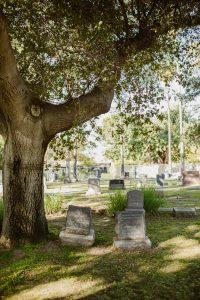
The Rising Trend of Cemetery Urn Burial in 2026

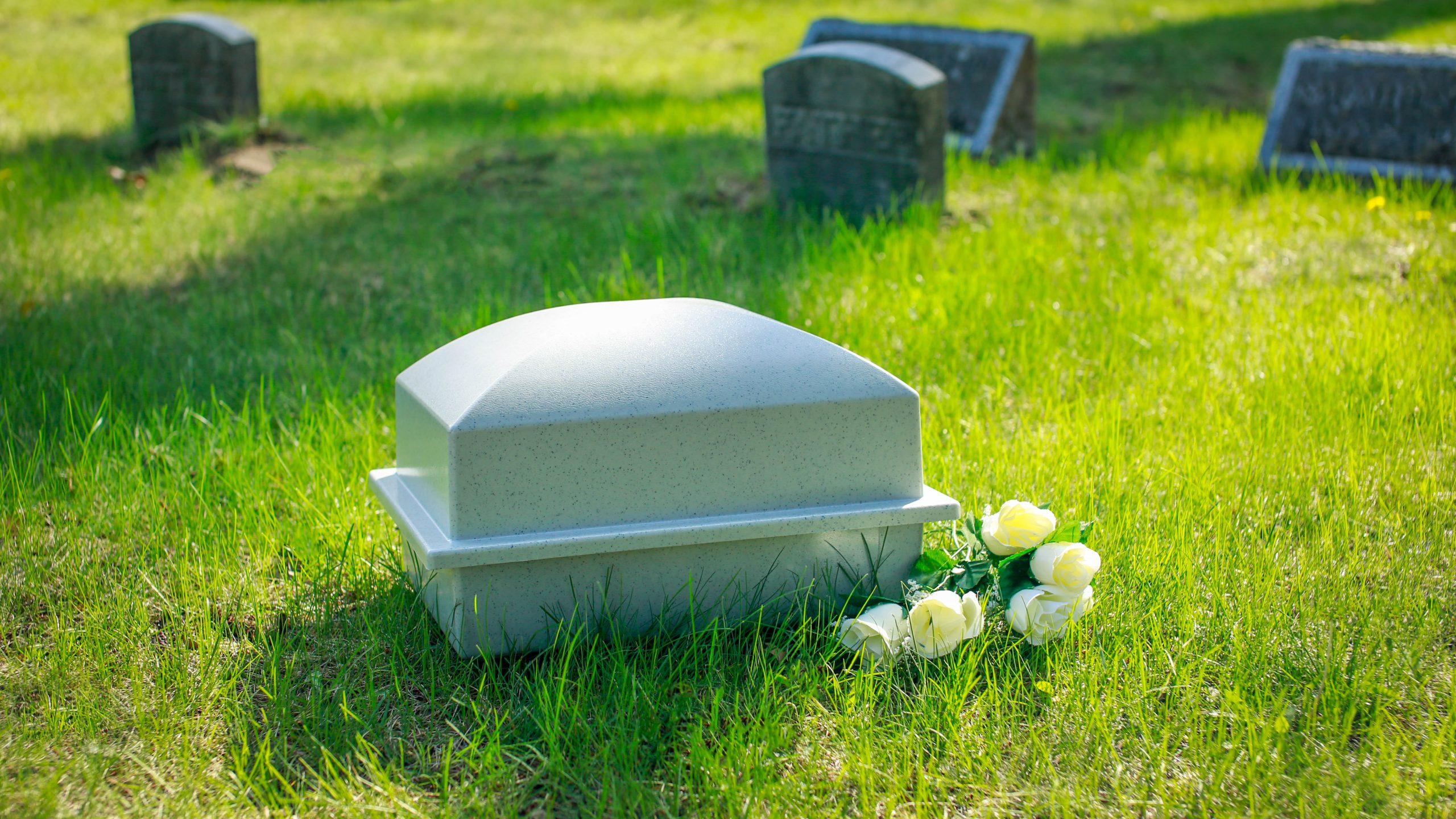

As we move into 2026, the trend of cemetery urn burial continues to gain momentum, reflecting a shift in how we honor and remember our loved ones. This practice not only carries historical significance but also resonates with modern values, such as environmental sustainability and cultural diversity. By choosing cemetery urn burial, families are embracing a meaningful alternative to traditional interment, allowing for personal expression and connection to the earth. Understanding the growing preference for urn burials can provide insight into the evolving perspectives on honoring life and legacy in our society.
Understanding Cemetery urn Burial
Cemetery urn burial refers to the practice of placing cremated remains in an urn and interring it in a cemetery. This method provides families with a tangible, respectful way to memorialize their loved ones. Here are some key aspects of cemetery urn burial:
- urn Selection: Families can choose from a variety of materials and styles, such as wood, metal, or biodegradable options. Each type serves different aesthetic and environmental preferences.
- Interment Process: The burial typically involves a ceremony in which the urn is placed in a designated plot or columbarium niche. Families can personalize the event to honor the deceased.
- Legal Considerations: Before opting for cemetery urn burial, it’s essential to check cemetery regulations regarding urn sizes, materials, and burial methods to ensure compliance.
- Memorialization Options: Many cemeteries offer additional memorialization options, such as engraved plaques or planting memorial trees, which can enhance the burial site.
In summary, cemetery urn burial is a thoughtful way to create a lasting tribute while accommodating individual preferences and environmental considerations.
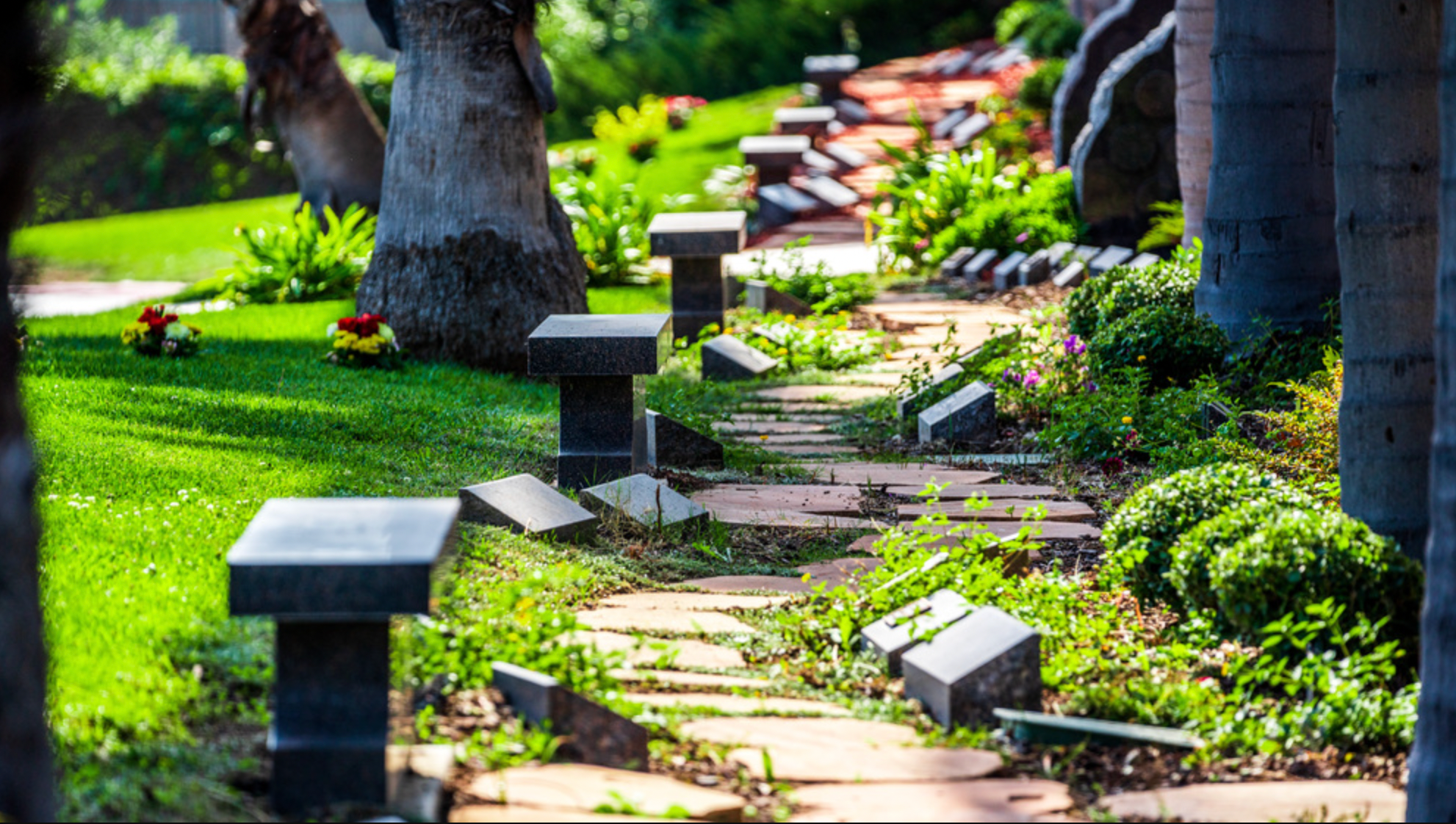
The Historical Significance of urn Burials
Cemetery urn burial carries a rich historical legacy that dates back thousands of years. Various cultures have embraced the practice, recognizing its significance in honoring loved ones.
- Ancient Traditions: In ancient civilizations such as the Greeks and Romans, cremation was a common practice. Families often chose urns as receptacles for ashes, symbolizing a transition into the afterlife.
- Cultural Practices: Different societies developed unique urn designs, often reflecting their beliefs and artistry. For instance:
- Etruscan Urns: Known for their elaborate decorations and inscriptions.
- Asian Influences: Many Asian cultures have integrated urn burial into their spiritual practices, highlighting respect for ancestors.
- Religious Connotations: Various religions interpret urn burials differently. For example, in Hinduism, cremation and subsequent urn burial are seen as a crucial step in the cycle of rebirth.
Understanding the historical significance of cemetery urn burial not only provides insight into past customs but also helps individuals make informed decisions about their end-of-life choices today. The continuity of this practice is a testament to its enduring importance across cultures and ages.
Benefits of Choosing urn Burial
Cemetery urn burial introduces several advantages that make it an appealing choice for many families. Here are some key benefits to consider:
- Cost-Effectiveness: urn burials typically involve lower expenses compared to traditional casket burials. Families can save on cemetery plots and maintenance fees.
- Space Efficiency: Cemetery urn burial allows for more effective use of limited burial grounds. Urns require less space than traditional caskets, making them suitable for densely populated areas.
- Flexibility in Memorialization: Urns come in various styles and materials, allowing families to personalize their loved one’s memorial. This can enhance the emotional connection between the deceased and surviving relatives.
- Environmental Impact: Opting for urn burial often reduces the environmental footprint. Many urns are biodegradable, allowing for a more sustainable final resting place.
- Ease of Transportation: Urns are easier to transport than caskets, which can facilitate travel for memorial services or ceremonies.
Choosing cemetery urn burial can reflect a family’s values and preferences, creating a meaningful tribute to their loved one while considering practical and environmental factors.
Environmental Considerations
Cemetery urn burial represents a more eco-friendly approach to honoring loved ones compared to traditional burial methods. This rising trend not only conserves land but also minimizes environmental impact in several ways:
- Reduced Land Use: urn burials occupy significantly less space than conventional graves, making them ideal for urban areas where land is precious.
- Less Resource Intensive: Traditional burials often require substantial resources, including materials for caskets and concrete vaults. In contrast, cemetery urn burial typically involves biodegradable urns, which can decompose naturally.
- Lower Carbon Footprint: The cremation process, often associated with urn burials, has a smaller carbon footprint than traditional burials. This is due to the elimination of elaborate casket production and extensive land maintenance.
- Sustainable Options: Many urn products are made from sustainable materials such as bamboo or recycled paper. This aligns with increasing eco-conscious values, allowing families to choose options that reflect their environmental commitment.
Ultimately, choosing cemetery urn burial not only honors the deceased but also aligns with a growing desire to protect the planet for future generations.
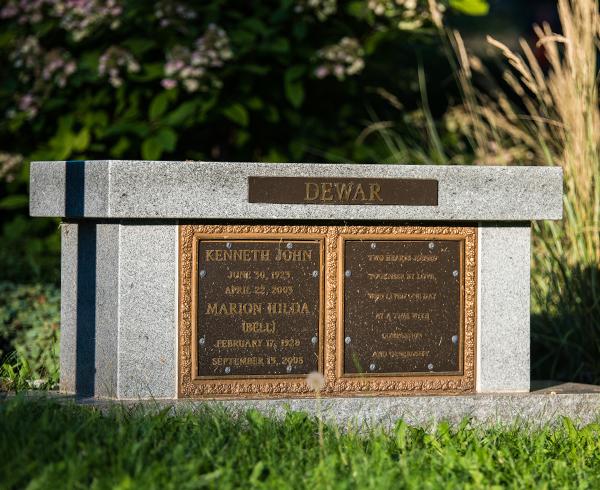
Cultural Perspectives on urn Burials
Cemetery urn burial transcends cultural boundaries, reflecting diverse beliefs and customs surrounding death and remembrance. Across the globe, various cultures embrace urn burial for its significant spiritual and emotional symbolism. Here are some notable examples:
- Asian Traditions: In many Asian cultures, such as Chinese and Japanese, cremation followed by urn burial is common. Families often keep the urn at home, symbolizing the continued presence of the deceased.
- Indian Practices: In India, cremation is the prevalent form of end-of-life ritual. The ashes are typically collected in an urn and immersed in sacred rivers, signifying a return to nature.
- Western Trends: In the West, cemetery urn burial is gaining popularity as families seek more personalized memorial options. Customized urns reflect the deceased’s identity and passions, making the burial a meaningful tribute.
Ultimately, cemetery urn burial practices highlight the common thread of honoring loved ones while embracing individual beliefs. This trend suggests a shift towards more inclusive and diverse mourning practices, allowing families to find comfort in their unique cultural heritage.
Looking Ahead: The Future of Cemetery urn Burial
As we move further into 2026, the cemetery urn burial trend continues to gain momentum, driven by various factors shaping contemporary funeral practices. Here are some insights into what the future holds for cemetery urn burial:
- Innovations in urn Design: Expect to see a rise in customizable urns, allowing families to create unique memorials that reflect the personality of their loved ones. Eco-friendly materials are likely to become even more popular.
- Technology Integration: Digital tributes may become commonplace, where QR codes on urns link to online memorial pages, creating lasting legacies.
- Increased Awareness of Environmental Impact: As more people prioritize sustainability, the choice of cemetery urn burial will increasingly focus on biodegradable options, reducing ecological footprints.
- Cultural Shifts: Attitudes toward death and memorialization are evolving. As traditional practices blend with modern values, expect a shift towards more inclusive and diverse approaches to cemetery urn burial.
In conclusion, the future of cemetery urn burial looks promising, aligning with societal changes that promote personalization, sustainability, and technological innovation.
Frequently Asked Questions
What is cemetery urn burial and why is it gaining popularity in 2026?
Cemetery urn burial involves placing cremated remains in an urn buried in a designated cemetery plot. This practice is growing in popularity in 2026 due to several factors, including a cultural shift toward eco-consciousness and personalization in memorialization. Families now tend to prefer options that reflect the individuality and life of their loved ones, and urn burial provides a meaningful way to honor their memory in a serene environment.
Are there different types of urns suitable for burial?
Yes, there are various types of urns suitable for burial. Options range from biodegradable urns, designed to decompose over time and promote the growth of trees or plants, to traditional metal or ceramic urns that offer durability and aesthetic appeal. It’s important for families to consider their loved one’s personality, the environmental impact, and aesthetic preferences when choosing an urn for burial.
What are the legal requirements for cemetery urn burial?
Legal requirements for cemetery urn burial vary by location, but they often include obtaining a burial permit and selecting a cemetery that allows urn burials. Families should consult with their chosen cemetery to ensure compliance with local regulations. Additionally, some cemeteries may have specific requirements for urn materials or size, which should be discussed ahead of time to avoid any issues during the burial process.
Can families personalize urn burial sites?
Absolutely, personalization of urn burial sites is becoming increasingly popular. Families can customize the burial site with engraved memorial stones, floral arrangements, or even decorative plaques that highlight the personality and life of the deceased. Many cemeteries are flexible in how families choose to remember their loved ones, allowing for a unique and reflective memorial experience.