An In-Depth Look at Cemetery Prices for 2026



In 2026, understanding cemetery prices is crucial for making informed decisions during a challenging time. As we delve into the various factors influencing these costs, it’s essential to grasp the pricing structures and how differences in cemetery types can impact your selection. Moreover, additional expenses often accompany grave purchases, requiring careful planning and budgeting. This comprehensive analysis aims to shed light on the complexities of cemetery pricing, guiding you through considerations that will affect both your emotional and financial well-being.
Understanding Cemetery Pricing Structures
Cemetery prices can vary significantly based on several key factors. Understanding these structures helps families make informed decisions during a difficult time. Here are the primary elements that affect cemetery costs:
- Type of Property:
- Burial plots: Generally, the most common choice, typically ranging from $1,000 to $3,000.
- Mausoleums: Prices can escalate to $10,000 or more for above-ground entombment.
- Columbariums: For cremation remains, costs typically range from $500 to $2,500.
- Additional Features:
- Gravestones or markers: Depending on material and design, expect to spend between $500 and $5,000.
- Maintenance fees: Some cemeteries charge an annual fee for landscape upkeep.
- Service Packages: Many cemeteries offer packages that combine burial, maintenance, and other services, often providing savings. Comparing these can reveal substantial differences in overall cemetery prices.
By reviewing these factors, families can better comprehend what to expect when budgeting for cemetery expenses in 2026.
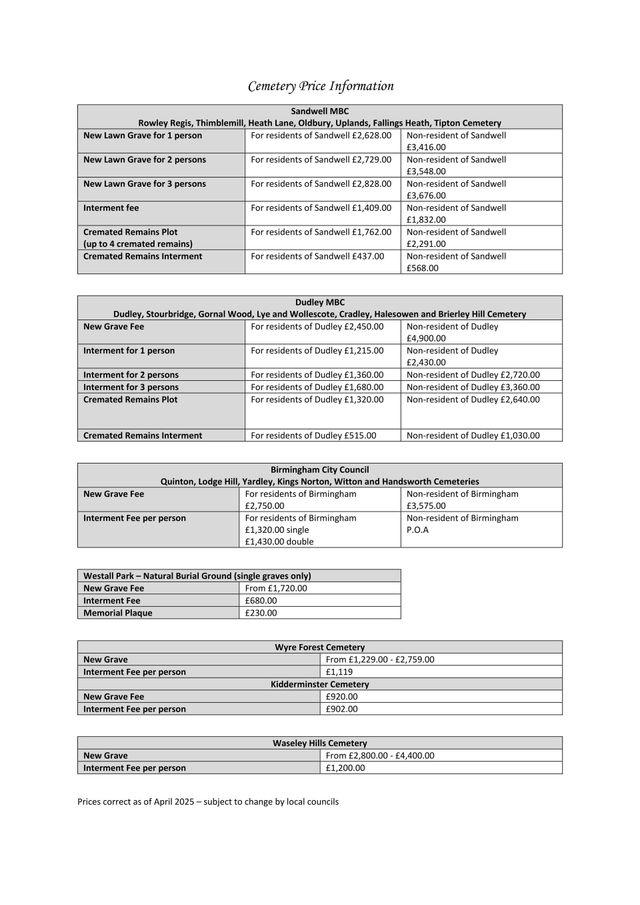
Factors Influencing Costs in 2026
Cemetery prices in 2026 will be affected by several key factors, shaping the overall cost of burial and memorial services. Understanding these influences can help you better plan your budget. Here are the primary factors to consider:
- Location: Cemeteries in urban areas often have higher prices due to land scarcity and demand. Conversely, rural cemeteries typically offer more affordable options.
- Type of Cemetery: Traditional cemeteries, memorial parks, and green burial sites can have varying prices. For example, green burials tend to be less expensive as they require fewer materials.
- Type of Grave: Standard plots generally cost less than premium locations, such as family plots or spaces near a memorial or garden.
- Service Charges: Costs for burial services, opening and closing fees, and memorial services contribute significantly to overall cemetery prices.
- Regulatory Changes: Local laws or regulations may alter the cost of cemetery services, impacting pricing.
By keeping these factors in mind, you can effectively navigate and plan for anticipated cemetery prices in 2026.
Comparative Analysis of Cemetery Types
When evaluating cemetery prices, it’s vital to understand how different types of cemeteries can influence your overall expenses. Here’s a concise breakdown:
Types of Cemeteries and Their Prices
- Traditional Cemeteries
- Typically have higher cemetery prices due to maintenance fees and land costs.
- Average Price Range: $1,000 – $3,500 for a burial plot.
- Green Cemeteries
- Environmental-friendly options with lower maintenance costs lead to reduced cemetery prices.
- Average Price Range: $500 – $1,500 for a burial plot.
- Mausoleum Cemeteries
- Indoor interment options usually come with a premium due to construction and upkeep.
- Average Price Range: $5,000 – $15,000 for a space.
- Religious Cemeteries
- Specific religious affiliations may offer lower cemetery prices for members.
- Average Price Range: $700 – $2,500 for a plot.
Summary
In summary, cemetery prices vary significantly depending on the type of cemetery chosen. Traditional and mausoleum options often demand more investment, while green and religious cemeteries may provide economically viable alternatives. Understanding these distinctions allows for better financial planning when considering end-of-life arrangements.
Additional Expenses Beyond Grave Purchases
When planning for end-of-life arrangements, it’s crucial to consider additional expenses beyond basic grave purchases. Understanding these costs can significantly impact your budgeting strategy. Here are key additional expenses to keep in mind:
- Burial Fees: Many cemeteries charge fees for the opening and closing of the grave, which can range from $300 to $1,000, depending on the location and cemetery type.
- Maintenance Costs: Some cemeteries require ongoing maintenance fees for grave upkeep, which can vary but often hover around $100 annually.
- Marker and Headstone Costs: Engraving a headstone or placing a marker can cost between $1,000 and $3,000, depending on material and design.
- Funeral Costs: Expenses for services, transportation, and preparation can add thousands more to your total, often ranging from $7,000 to $12,000.
Planning for these factors alongside the initial cemetery prices ensures no financial surprises arise during a challenging time. Always compare costs across different cemeteries to find a suitable balance between personal preferences and budget constraints.

Impact of Location on Cemetery Prices
Location significantly affects cemetery prices. Different regions exhibit a vast range of costs based on several factors, including demand, land availability, and local regulations. Here’s how location influences these prices:
- Urban vs. Rural:
- Urban cemeteries typically charge higher fees due to limited space and greater demand.
- Rural cemeteries often present more affordable options and available land.
- State and Regional Variations:
- Prices can vary widely from one state to another. For example:
- In New York, average cemetery prices can reach $10,000 or higher.
- In Texas, average prices may be around $6,000.
- Prices can vary widely from one state to another. For example:
- Proximity to Funeral Homes:
- Closely located cemeteries may have collaborative pricing with local funeral homes, affecting overall costs.
| Location Type | Average Price Range (USD) |
|---|---|
| Urban | $8,000 – $15,000 |
| Suburban | $5,000 – $10,000 |
| Rural | $2,500 – $5,000 |
Ultimately, understanding how location affects cemetery prices helps families make informed decisions while planning for end-of-life expenses.
Tips for Planning and Budgeting for Cemetery Expenses
Planning for cemetery expenses can feel overwhelming, but with the right approach, you can manage costs effectively. Here are some essential tips to help you budget for cemetery prices in 2026:
- Research Ahead: Investigate different cemeteries in your area. Create a comparison chart to understand varying cemetery prices based on location and type.
- Prioritize Needs: Make a list of must-have features, such as plot location and maintenance services. This helps narrow down choices amidst fluctuating cemetery prices.
- Consider Package Deals: Many cemeteries offer packages that include burial plots, vaults, and memorial services at a discounted rate. Take advantage of these to save on total costs.
- Plan for Additional Fees: Remember to account for burial permits, maintenance fees, and headstone costs. Creating a comprehensive budget can prevent surprises down the line.
- Consult with Family: Discuss financial options and preferences with family members, ensuring everyone is on the same page about spending and expectations.
By following these tips, you can confidently navigate cemetery prices and ensure you make informed, financially-savvy decisions.
Frequently Asked Questions
What factors influence cemetery prices in 2026?
Cemetery prices in 2026 can be influenced by a variety of factors including location, demand for burial plots, type of burial (traditional vs. cremation), and surrounding property values. Urban areas often see higher costs due to limited space and higher demand, while rural cemeteries may offer more competitive pricing. Additionally, the level of services provided, such as maintenance and memorial options, can also affect overall pricing.
How has the cost of burial plots changed over recent years?
Over the past few years, the cost of burial plots has generally seen a steady increase, influenced by inflation, rising land costs, and the growing demand for burial services. In 2026, this trend is expected to continue, making it important for families to consider purchasing plots sooner rather than later. Additionally, various regions may experience different rates of price increase based on local demand and economic conditions.
Are there any additional fees or costs associated with cemetery services?
Yes, there are often additional fees and costs associated with cemetery services beyond the base price of a burial plot. These may include maintenance fees, opening and closing costs for graves, and charges for headstones or markers. Families should also inquire about any potential endowment care fees which are intended to fund the ongoing maintenance of the cemetery grounds. Understanding these additional costs upfront can help families budget accordingly.
What payment options are available for cemetery services?
Cemeteries typically offer a variety of payment options for their services to accommodate different financial situations. Families may choose to pay for burial plots and services in a lump sum, or they may opt for installment payment plans which allow them to spread the cost over time. Additionally, some cemeteries might offer financing options or accept pre-need policies, which allow individuals to pay for their burial expenses in advance, ensuring that future costs are locked in.

