A Closer Look at the Beauty of Salt Urns



Salt urns, with their unique textures and timeless elegance, hold a special place in both history and modern decor. These striking vessels, originally designed for practical purposes, have evolved into exquisite decorative pieces that capture the imagination. The beauty of salt urn lies not only in its aesthetic appeal but also in the rich stories they tell, bridging the gap between past and present. As we explore their origins, significance, and care, you’ll discover why these stunning artifacts continue to enchant collectors and design enthusiasts alike.
History and Origins of Salt Urns
The beauty of salt urn stems from centuries of craftsmanship and rich cultural significance. Historically, salt urns originated in ancient civilizations, where they served both practical and ceremonial purposes.
- Ancient Roots: These vessels date back to the Mesopotamian era, used for storing salt—a crucial commodity in preserving food.
- Cultural Significance: In various cultures, such as the Romans and Egyptians, salt urns symbolized purity and wealth, often adorned with intricate designs.
- Transition in Function: Over time, their role shifted from utilitarian to artistic, becoming popular decorative items.
Today, the beauty of salt urn is not only rooted in its historical utility but also in its splendid designs that reflect artistry. Different regions have developed unique styles, showcasing craftsmanship that emphasizes the aesthetic appeal. The preservation of these urns and their continued presence in modern decor highlight their enduring legacy. Thus, understanding the history and origins of salt urns enriches our appreciation of their beauty in contemporary settings.

The Aesthetic Appeal of Salt Urns
The beauty of salt urn captivates admirers with its exquisite design and unique texture. These stunning pieces serve as both functional and decorative elements, bringing a distinct charm to any space. Here are some compelling aspects that showcase their aesthetic appeal:
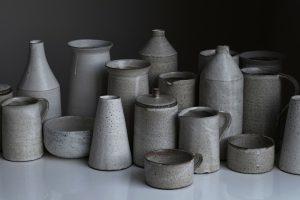
- Natural Elegance: The organic shape and earthy hues of salt urns blend seamlessly with various decor styles, from traditional to contemporary.
- Uniqueness: Each salt urn possesses a one-of-a-kind appearance, thanks to the natural variations in salt crystals, making them a conversation starter.
- Versatile Use: Whether as a planter, a decorative accent, or a stunning centerpiece, the beauty of salt urn enhances both indoor and outdoor spaces.
- Timelessness: Salt urns evoke a sense of history and culture, adding an artistic touch that resonates with collectors and enthusiasts alike.
In summary, the beauty of salt urn lies in their enchanting design, natural charm, and versatile applications, making them a must-have for those looking to elevate their decor.
Significance of Salt Urns in Modern Decor
The beauty of salt urns transcends their historical roots, making them a vital element in contemporary decor. Their unique designs and textures add character and charm to various spaces. Here’s why they’re significant in modern interiors:
- Versatile Decor: Salt urns fit seamlessly into diverse styles, from rustic to minimalist. Their organic shapes and earthy tones compliment both traditional and modern aesthetics.
- Focal Points: Placing a stunning salt urn on a mantel or table can create an eye-catching focal point. The beauty of salt urn captivates attention and sparks conversations.
- Natural Elements: Incorporating materials like salt creates a link to nature, enhancing the overall tranquility of a room. This natural appeal supports the popular trend towards biophilic design, promoting well-being.
- Functional Art: Beyond decoration, many salt urns serve practical purposes, such as planters or vases. Their functionality amplifies their value in home decor.
In conclusion, the beauty of salt urns brings not only visual allure but also a deeper connection to nature, making them a cherished addition to modern homes.
Caring for and Maintaining Salt Urns
To preserve the beauty of salt urn, proper care and maintenance are essential. Here are some key tips to ensure your urn remains in excellent condition:
- Dust Regularly: Use a soft, dry cloth to gently wipe the surface of the urn. This prevents dirt buildup, which can diminish its natural beauty.
- Avoid Harsh Chemicals: When cleaning, steer clear of abrasive cleaners or any substances containing acid. These can damage the surface and affect the beauty of salt urn.
- Keep Away from Moisture: Salt urns can be sensitive to excessive humidity. Store them in a dry area, as moisture may lead to deterioration.
- Use Natural Oils: Applying natural oils can enhance the sheen and protect the surface. Consider a light application as part of your maintenance routine.
- Inspect for Cracks: Regularly check for any signs of damage. Promptly address cracks or chips to maintain the integrity and beauty of the urn.
By following these simple steps, you’ll not only safeguard your salt urn but also continue to admire its unique beauty of salt urn for years to come.

Frequently Asked Questions
What are salt urns, and how are they used in art?
Salt urns are decorative containers or vessels made primarily from salt, often utilized in the realm of art and decoration. They can serve as both functional and aesthetic objects, commonly found in gardens, homes, or as part of architectural designs. As artistic pieces, salt urns often exhibit intricate carvings and luxurious surfaces, contributing to their allure. Their airy, organic shapes enhance landscapes or indoor spaces, offering a unique aesthetic appeal.
What materials are typically used to create salt urns?
Salt urns are primarily constructed from salt or salt-based compounds, which can include materials such as stone salt, alabaster, or specialized salt mixtures designed for sculpting. Additionally, artists may utilize other materials to complement the salt, such as metal elements for structural support or decorative accents. The process involves careful selection of materials that not only highlight the urn’s beauty but also enhance its durability, allowing it to withstand environmental elements.
How should salt urns be maintained to ensure their longevity?
Maintaining salt urns involves regular cleaning and protective measures to prevent deterioration. It is essential to keep them dry and away from excessive moisture, as salt can dissolve or erode when exposed to water. Occasional gentle dusting with a soft cloth can help preserve their appearance. For outdoor urns, applying a sealant may provide an extra layer of protection against weather elements. Regularly inspecting for cracks or damage and addressing repairs promptly will also contribute to their longevity.
What historical significance do salt urns hold?
Historically, salt urns have been significant in various cultures as symbols of wealth and sophistication. In ancient Rome and Greece, salt urns were often associated with feasting and celebration, serving as vessels for culinary delights or as decorative items in public spaces. Over time, these urns have evolved into artistic expressions, reflecting the craftsmanship of their makers and the values of the societies that cherished them. As artifacts, they provide insight into historical aesthetics and social customs.