A Comprehensive Look at Urns: Choosing the Perfect Memorial

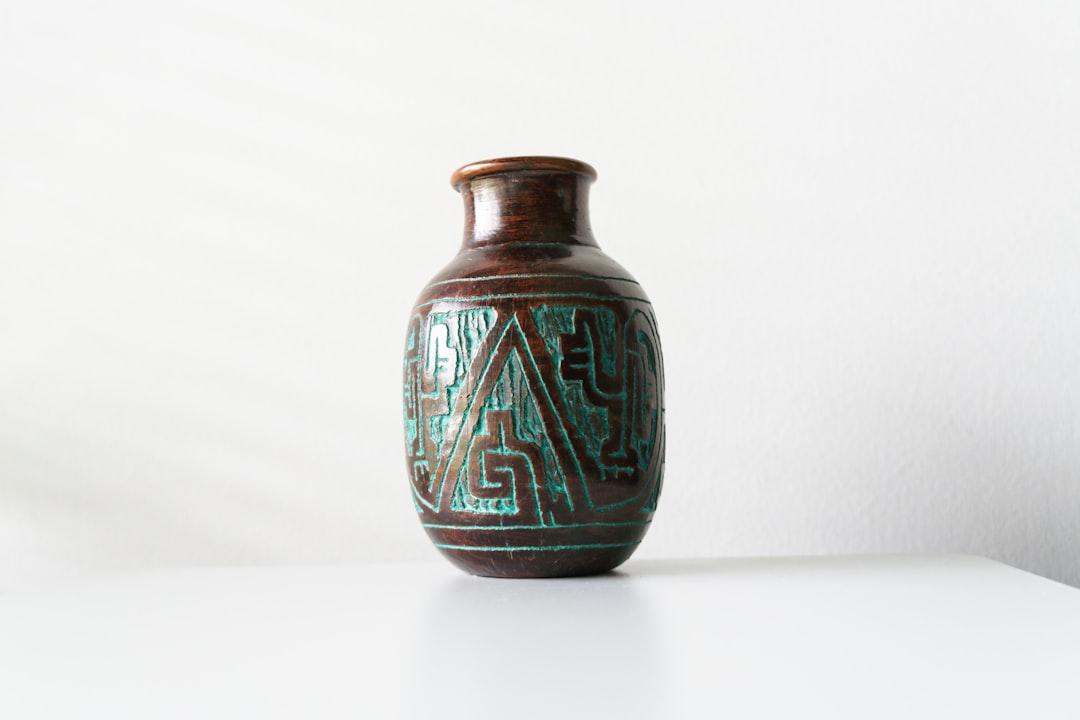

In examining the multifaceted role of urns within various memorial cultures, one is compelled to appreciate their historical significance and evolving designs. Urns serve not only as repositories for ashes but also as profound symbols of remembrance, transcending utilitarian function to embody personal narratives and collective grief. Contemporary considerations surrounding material selection and personalization further augment the urn’s role in memorial practices, underscoring the intersection of artistry and personal sentiment. This exploration elucidates the intricate balance between tradition and modernity, enabling individuals to make informed choices that resonate with their unique memorial aspirations.
Historical Context of Urns in Memorial Cultures
The concept of using an urn for memorialization possesses profound historical roots that traverse various cultures and epochs. Traditionally, urns served not only as vessels for ashes but also as essential symbols of remembrance and reverence for the deceased.
- Ancient Practices: In civilizations such as the Romans and Greeks, urns held significant cultural value. The Romans, particularly, practiced cremation and housed the ashes in elaborately designed urns, often adorned with inscriptions signifying the identity and social status of the deceased.
- Cultural Variations: Furthermore, different cultures embraced distinct styles of urns reflective of their beliefs and aesthetics. For instance:
- Eastern Cultures: In some Eastern traditions, urns symbolize the cycle of life and rebirth, featuring designs that echo spiritual motifs.
- Western Cultures: Conversely, Western practices tend to emphasize personalized memorialization, integrating elements that reflect the individual’s life and legacy.
In summary, urns historically embody a rich tapestry of cultural significance, transforming from mere containers to powerful symbols of love, loss, and remembrance. Thus, understanding the historical context enriches the contemporary selection of an urn, making it a deeply personal and meaningful choice in memorialization.
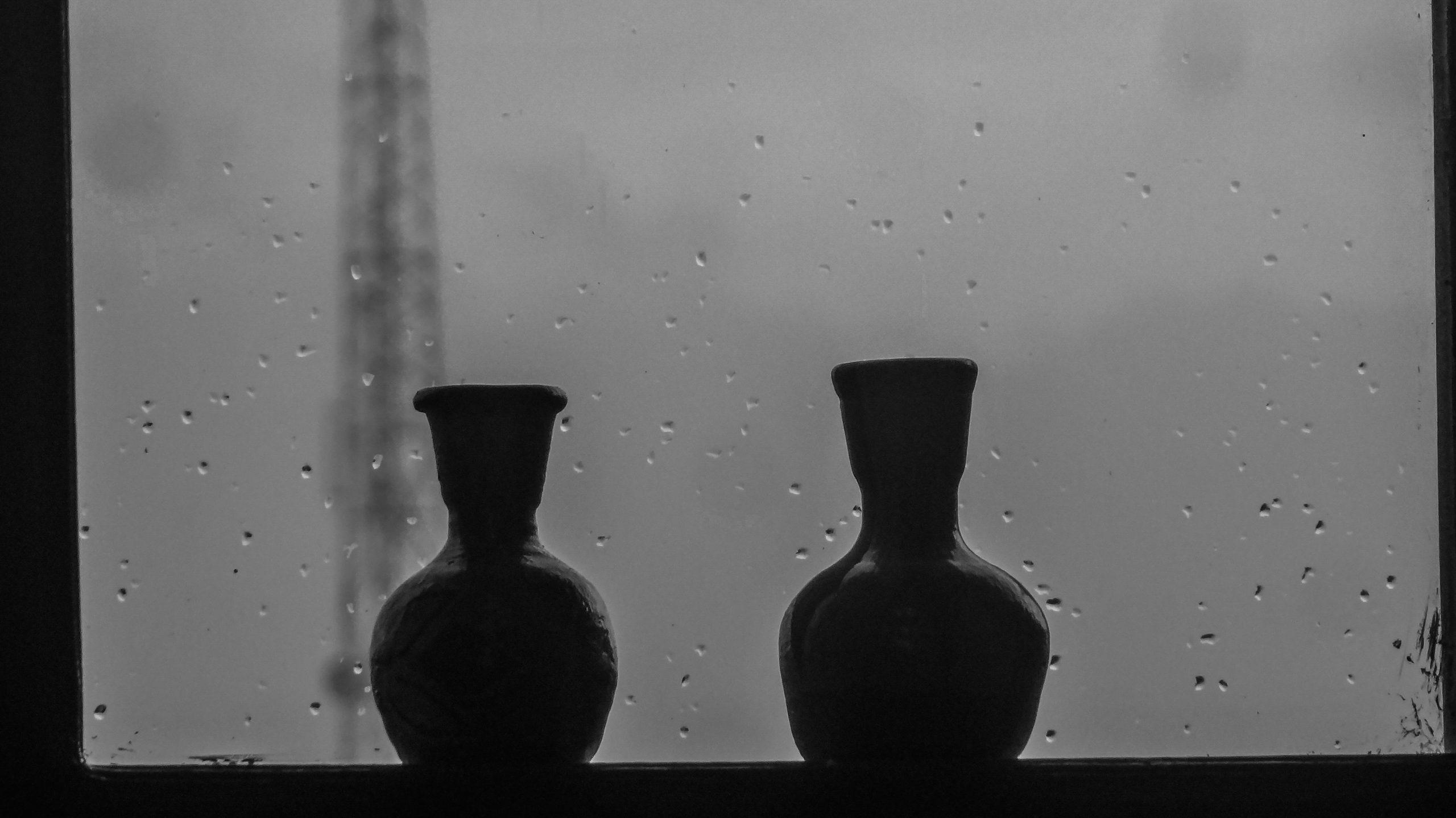
Materials and Design Considerations for Modern Urns
When selecting an urn for memorial purposes, both the material and design significantly influence the aesthetic and functional attributes of the urn. Given the diversity of available options, individuals often grapple with the following considerations:
- Materials:
- Ceramic: Offers versatility in design, allowing for intricate artwork and glazes.
- Metal: Common choices, such as brass or stainless steel, impart a sense of permanence and strength.
- Wood: Provides warmth and natural appeal; however, wood must be treated to endure various environmental conditions.
- Biodegradable Options: Eco-friendly urns consist of materials like paper or plant fibers, appealing to environmentally conscious individuals seeking a return to nature.
- Design Considerations:
- Size: Select an urn that adequately accommodates the remains and reflects personal significance.
- Shape: Traditional, contemporary, or themed designs cater to a range of aesthetic preferences.
- Personalization: Affixing names, dates, or symbols fosters a connection, transforming the urn into a poignant memorial.
In summation, choosing an urn encompasses intricate decisions regarding materials and design, which serve to honor the remembrance of cherished individuals with dignity and grace.
Symbolism and Personalization in Memorial Choices
The selection of an urn transcends mere functionality, embodying profound symbolism and individuality. As societies increasingly favor personalized memorials, the urn emerges as a poignant representation of a departed soul’s essence. The incorporation of symbolic elements into urn design serves to honor the unique qualities of the deceased. Notably, options include:
- Materials: Ceramic, metal, and biodegradable urns offer varied meanings. For instance, ceramic suggests permanence, while biodegradable options symbolize a return to nature.
- Inscriptions: Custom engravings—such as names, dates, and meaningful quotes—transform an urn into a personal artifact.
- Shapes and Designs: A heart-shaped urn may convey love, while a butterfly motif signifies transformation and freedom.
Additionally, families increasingly express their creativity through urn personalization, using colors, textures, and imagery that reflect the individual’s life passions. This customization process fosters a deeper connection and promotes healing as it encapsulates treasured memories. In essence, choosing an urn becomes not only an act of remembrance but also an affirmation of a life lived vividly.
Practical Aspects of urn Selection and Care
Selecting the appropriate urn entails both practical considerations and emotional significance. The multifaceted nature of this decision prompts a variety of factors to consider:
- Material Choices: Common materials include ceramic, metal, and biodegradable options. Each material offers distinct aesthetic and durability qualities. For instance, ceramic urns often provide intricate designs, while biodegradable urns cater to environmentally conscious individuals.
- Size and Capacity: Optimal sizing directly correlates to the deceased’s remains. Most urns come in standard sizes; however, ensuring the selected model accommodates all ashes is crucial.
- Maintenance Requirements: An urn requires periodic cleaning and care to preserve its appearance. Depending on the material, a soft cloth and mild soap may suffice. Non-porous materials stay cleaner longer, while porous varieties require more frequent attention to prevent wear.
Understanding these practical elements facilitates a more informed choice regarding urns, enabling families to honor their loved ones respectfully and effectively.
Frequently Asked Questions
What materials are commonly used in the production of urns, and how do they affect durability?
Urns are commonly fabricated from a variety of materials, predominantly including metal, wood, ceramic, and biodegradable substances. Metal urns, such as those crafted from brass or stainless steel, exhibit exceptional durability, ensuring longevity even in adverse environmental conditions. Wooden urns, although aesthetically pleasing and biodegradable, may not withstand moisture as effectively as their metal counterparts. Ceramic options provide a balance between beauty and fragility, while biodegradable urns are specifically designed to disintegrate over time in accordance with environmental concerns, thus facilitating a green memorial approach. Hence, the choice of material is paramount, influenced by considerations of longevity, aesthetics, and ecological impact.
What are the different styles of urns available, and how can they influence one’s selection decision?
The array of urn styles available spans conventional designs, artistic interpretations, and specialized forms that cater to varying preferences and memorial purposes. Traditional urns often exhibit a classical shape, typically associated with solemn remembrance. Conversely, more contemporary designs might feature abstract forms or personalized engravings, reflecting the individuality of the deceased. Additionally, niche categories such as biodegradable urns accommodate those who favor ecologically sustainable options, while keepsake urns allow for the retention of a small amount of ashes in a portable form. Ultimately, the style chosen not only embodies the deceased’s life and personality but also serves as a significant aspect of the grieving process for the bereaved.
How does one determine the appropriate size of an urn when planning for cremation?
Determining the appropriate size of an urn is essential to ensure it accommodates the ashes of the deceased adequately. In general, a rule of thumb is that one cubic inch of urn capacity is required for each pound of body weight prior to cremation. Therefore, for example, an individual weighing 200 pounds would necessitate an urn with a minimum capacity of 200 cubic inches. However, it is prudent to consider additional space for personal mementos or keepsakes, especially for individuals who might receive a portion of the ashes in a keepsake urn. Hence, thorough contemplation of size is crucial for both practical and symbolic representation.
What are some considerations for personalization when selecting an urn for a loved one?
When embarking on the selection of an urn, personalization emerges as a profound avenue for commemorating a loved one’s legacy. Factors that lend themselves to customization include the incorporation of specific engravings—be it profound quotes, names, or special dates—which impart a distinct emotional resonance. Furthermore, one might opt for urns that reflect the deceased’s hobbies, passions, or beliefs, utilizing choices in design that resonate with their unique personality. In addition, color selection can convey symbolic meanings aligned with individual preferences or familial traditions. Overall, these considerations collectively enhance the commemorative experience, fostering a deeper emotional connection and aiding the grieving process.