Burying Ashes: Legal Requirements and Considerations

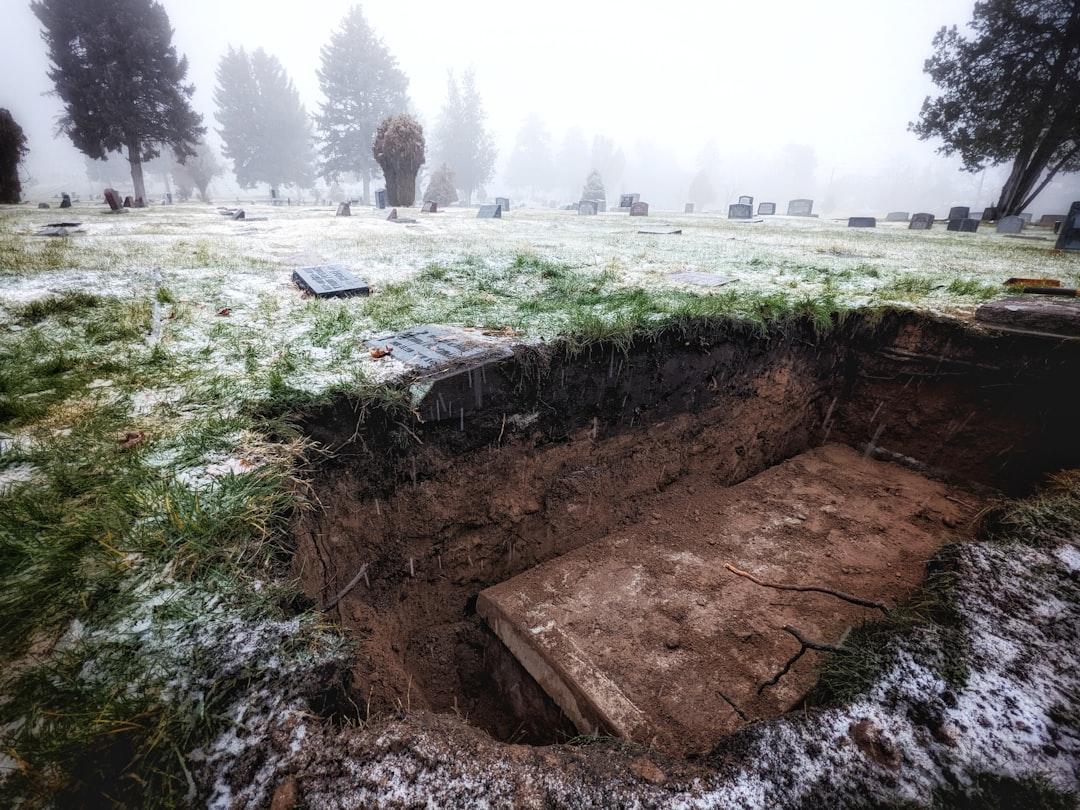

Burying ashes is a deeply personal decision that comes with various legal requirements. Understanding the legal framework is essential to ensure that your chosen method of ashes interment aligns with local regulations. This guide explores the legal requirements for burying ashes, and the factors to consider, including location, cultural practices, and compliance steps. Whether you are planning a burial in a cemetery, on private property, or in a designated memorial site, it’s crucial to navigate these considerations thoughtfully.
Understanding the Legal Framework for Burying Ashes
When it comes to the legal requirements for burying ashes, compliance with local regulations is essential. Each region may have specific rules that individuals must follow. Here are some key points to consider:
- Local Ordinances: Check local laws regarding the burial of ashes in private or public spaces. Some areas may restrict where you can bury ashes, such as parks or gardens.
- Cemetery Regulations: Many cemeteries have rules concerning the interment of ashes. These can include requirements about containers or specific sections allocated for cremated remains.
- Permits: Some jurisdictions require a permit for burying ashes. Ensure you obtain any necessary documentation before proceeding.
- Environmental Considerations: Certain areas have environmental protection laws that impact how and where you can bury ashes. For example, burials near water sources may be subject to additional regulations.
Understanding these legal requirements for burying ashes not only ensures compliance but also respects the local community and environment. Always research and adhere to the specific laws to avoid potential issues during the burial process.
Choosing the Right Location for Ashes Interment
When selecting a final resting place for cremated remains, various factors come into play. The legal requirements for burying ashes vary by region, so understanding local regulations is crucial. Here are some important considerations to keep in mind:
- Public vs. Private Land:
- Public Cemeteries: Often have specific regulations and fees. Typically, these sites provide dedicated areas for ashes interment.
- Private Property: Depending on local laws, burying ashes on your property may be permissible, but obtaining permission from local authorities is essential.
- Environmental Impact:
- Choose locations that comply with environmental regulations to prevent contamination. Contact local environmental agencies for guidance.
- Cultural Significance:
- Some families prefer locations with cultural or religious importance. Ensure that the chosen site respects family values and traditions.
In summary, navigating the legal requirements for burying ashes involves considering location, regulations, and personal beliefs. Take the time to investigate and secure an appropriate and compliant resting place for your loved one’s ashes.
Cultural and Religious Considerations in Ashes Burial
When discussing the legal requirements for burying ashes, it’s essential to recognize the diverse cultural and religious beliefs surrounding cremation and ash interment. These beliefs significantly influence how individuals approach the process of burying ashes. Here are some key considerations:
- Cultural Practices: Different cultures have unique customs regarding ashes. For instance:
- Hinduism: Ashes are often scattered in sacred rivers, aligning with their belief in spiritual liberation.
- Buddhism: Interment in specific locations may be preferable, symbolizing the cycle of rebirth.
- Religious Guidelines: Various religions impose specific rules concerning the treatment of ashes. For example:
- Christianity: Generally permits burial or scattering, although some denominations favor traditional burial practices.
- Islam: Typically discourages cremation and thus will not involve ashes, focusing instead on burial of the body.
- Community Sensitivity: Engaging with local customs and community sentiments is vital when planning the burial. This sensitivity ensures compliance with both ethical and legal requirements regarding burying ashes.
As you navigate the legal requirements for burying ashes, take time to respect cultural and religious beliefs that may influence decisions surrounding ash interment.
Steps to Ensure Compliance with Local Regulations
When it comes to the legal requirements for burying ashes, following local regulations is crucial. Here’s how to ensure compliance:
- Research Local Laws:
- Before burying ashes, check with your local municipality or county office.
- Regulations vary significantly by location, so understanding your area’s specific rules is essential.
- Obtain Necessary Permits:
- Some areas require permits for interring ashes.
- Inquire about the required documentation and any associated fees.
- Choose an Appropriate Location:
- Verify that your chosen site, whether a cemetery, personal property, or designated area, complies with local zoning laws.
- Certain properties may have restrictions on ash burial.
- Notify Relevant Authorities:
- Inform local authorities (like health or environmental departments) if required by law.
- This step can help avoid legal issues later on.
- Consult with Funeral Directors:
- A licensed funeral director can provide valuable insight into the legal requirements for burying ashes, ensuring you meet all local statutes.
By following these steps, you can confidently navigate the legal landscape surrounding the burial of ashes, ensuring compliance and peace of mind.

Frequently Asked Questions
What are the legal requirements for burying ashes in a cemetery?
When burying ashes in a cemetery, you must often adhere to specific legal requirements that vary by location. Generally, you will need to obtain a burial permit or authorization from the cemetery management. Additionally, some cemeteries may have their own policies regarding the depth and placement of the ashes, as well as the type of container used for burial. It’s essential to consult with the cemetery and local regulations first to ensure compliance.
Can ashes be buried on private property?
Yes, in many areas, it is legal to bury ashes on private property, but there are considerations to keep in mind. Property owners should first check local ordinances and zoning laws to confirm that private ash burial is permitted. Furthermore, it is advisable to obtain the consent of all property owners if the land is shared. Creating a respectful memorial or marking the site can help ensure the resting place is honored.
Are there any environmental regulations related to burying ashes?
Yes, there may be environmental regulations regarding the burial of ashes, especially if you are considering doing so in a natural area or public land. While cremated remains are generally non-toxic, certain jurisdictions may require adherence to local environmental protection laws, such as avoiding burial in wetlands or protected areas. Consulting local authorities and understanding the environmental impact is crucial in ensuring responsible ash burial.
What is the best way to commemorate the burial of ashes?
Commemorating the burial of ashes can be done in various meaningful ways. Many families choose to create a special memorial marker or plaque that acknowledges the individual’s life and legacy. Additionally, holding a memorial service or a small ceremony during the burial can provide a space for family and friends to honor and remember their loved one. Planting a tree or flowers at the site can also serve as a living tribute to celebrate their memory.