Buying a Burial Plot: A Comprehensive Guide


When faced with the difficult decision of making end-of-life arrangements, understanding the intricacies of purchasing a burial plot is essential. This guide offers valuable insights into the importance of a burial plot, the various types available, and the factors to consider during your selection process. Additionally, we will explore legal considerations, associated costs, and tips for maintaining and personalizing your chosen burial site. Navigating these details can provide peace of mind and ensure that your wishes are honored for years to come.
Understanding the Importance of a Burial Plot
A burial plot holds significant value for families and individuals alike, as it marks a final resting place and reflects one’s legacy. Here are key reasons why choosing the right burial plot is essential:
- Emotional Closure: A burial plot serves as a designated space where loved ones can pay their respects, providing a sense of closure and a place to grieve.
- Cultural Significance: Many cultures have specific traditions surrounding burial practices. Selecting a burial plot can honor these customs and ensure the wishes of the deceased are respected.
- Future Planning: Investing in a burial plot ahead of time alleviates potential stress for family members during difficult times. It also allows individuals to express their preferences regarding their final resting place.
- Preservation of Memory: A burial plot can be personalized with markers, flowers, and other memorials, ensuring that the memories of loved ones are preserved for generations.
In summary, understanding the importance of a burial plot is crucial not only for practical reasons but also for emotional well-being. Choosing the right resting place is an act of compassion for both the deceased and the living.
Factors to Consider When Choosing a Burial Plot
When selecting a burial plot, several key factors play a vital role in ensuring that your choice aligns with your needs and preferences. Here are essential considerations:
- Location: Choose a burial plot in a cemetery that holds meaning for you and your family. Proximity to loved ones can also influence this decision.
- Size and Type: Consider whether you need a single plot or multiple plots for family members. Different types include traditional burial plots, cremation plots, and mausoleums.
- Cemetery Regulations: Review specific rules and regulations of the cemetery. Some may restrict certain types of burial methods or require specific dimensions.
- Accessibility: Ensure that the burial plot is easily accessible for family and friends. Well-maintained pathways and parking facilities enhance visitability.
- Personalization Options: Investigate whether the cemetery allows for memorialization options, such as headstone designs, flowers, and lasting tributes.
Choosing the right burial plot involves careful thought and consideration, ensuring it meets both personal wishes and legal requirements. This process provides peace of mind during a difficult time.
Types of Burial Plots Available
When it comes to selecting a burial plot, various options cater to different preferences and needs. Understanding these types helps you make an informed decision. Here are the primary types of burial plots available:
- Single Plot: Designed for one individual, this type is ideal for those seeking a personal burial space. It often allows for customization with headstones and decorations.
- Family Plot: This plot accommodates multiple family members, enabling loved ones to be interred together. It’s a meaningful way to preserve family ties even after death.
- Cremation Plot: Specifically designated for cremated remains, this type often features smaller spaces. It may include an urn vault or niche for placing ashes.
- Green Burial Plot: For environmentally-conscious individuals, these plots promote biodegradable materials and natural decomposition, allowing for a more eco-friendly farewell.
| Type of Plot | Suitable For | Features |
|---|---|---|
| Single Plot | Individuals | Customizable headstone |
| Family Plot | Families | Group burial options |
| Cremation Plot | Individuals opting for cremation | urn vaults/niches |
| Green Burial Plot | Eco-conscious individuals | Natural decomposition practices |
Consider your preferences and values when exploring which burial plot type suits your needs.
Legal Considerations and Regulations
When buying a burial plot, it’s crucial to understand the legal considerations and regulations that govern these purchases. Adhering to local laws ensures a smooth process and protects your investment. Here are key points to keep in mind:
- Ownership Rights: Verify the ownership of the burial plot. Ensure the seller has the legal right to transfer the property to you.
- Zoning Laws: Familiarize yourself with zoning regulations in your area, as these may dictate where burial plots can be established.
- Cemetery Regulations: Each cemetery has its own rules regarding the purchase and use of burial plots. Review these regulations, which might include limitations on plot size, type of memorials, and maintenance responsibilities.
- Transfer Restrictions: In some cases, you may not be able to transfer ownership of a burial plot without the cemetery’s approval. Clarify the policies to avoid complications in the future.
- Documentation: Keep all documents related to the burial plot purchase, including contracts and title deeds, in a safe place.
Understanding these legal aspects of a burial plot can help you navigate the purchasing process with confidence.
Costs Involved in Purchasing a Burial Plot
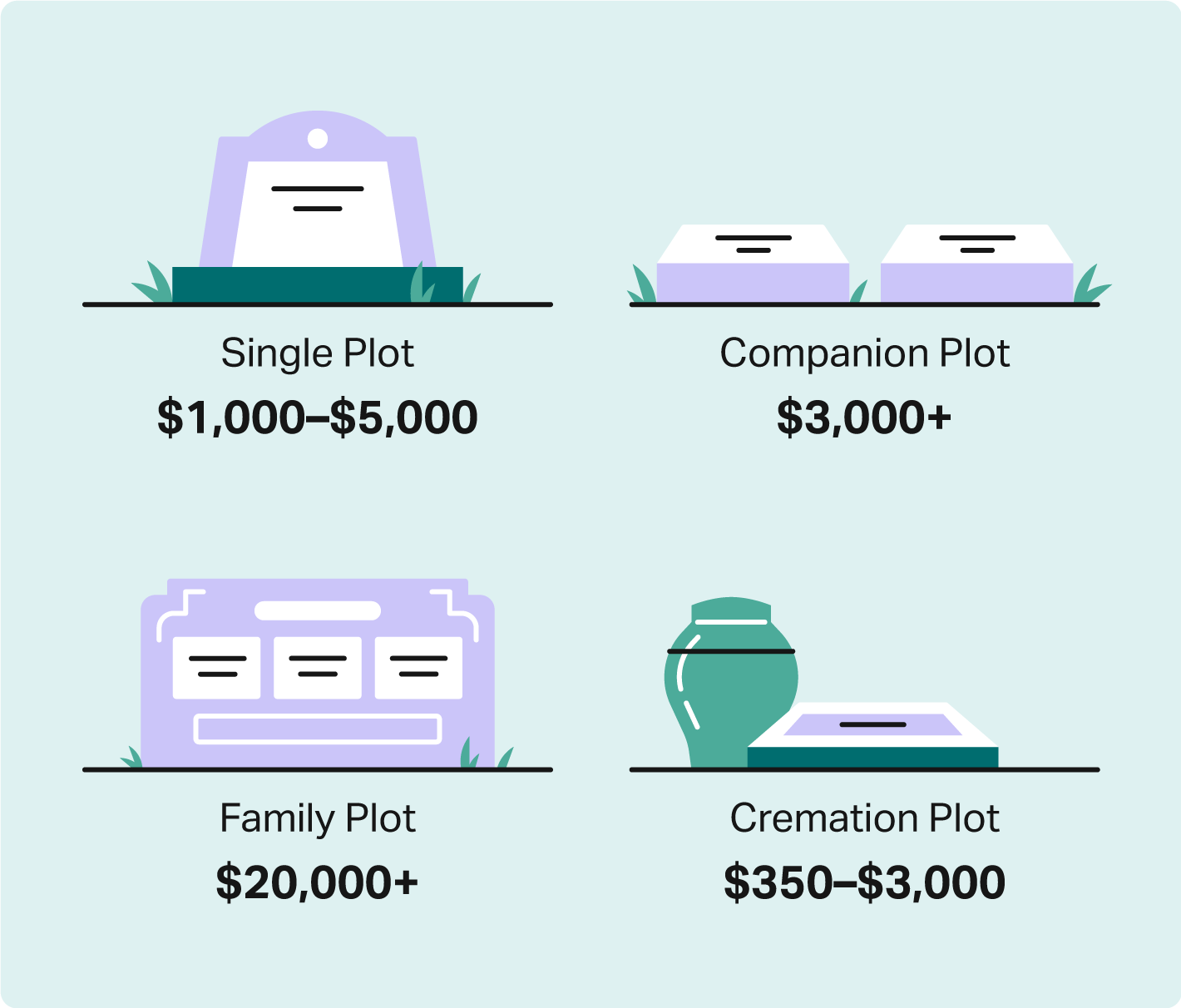
When considering the purchase of a burial plot, various costs can impact your decision. Here’s a breakdown of common expenses you should expect:
- Purchase Price: The primary cost is the price of the burial plot itself, which can vary significantly based on location. Urban areas typically charge more due to demand.
- Opening and Closing Fees: Cemeteries often charge fees for digging the grave and subsequently closing it after the burial. These fees can range from $500 to $2,000.
- Maintenance Costs: Some cemeteries require a perpetual care fund contribution for the upkeep of the burial plot. This can be one-time or ongoing fees.
- Memorials and Markers: If you wish to add a headstone or marker, anticipate additional costs ranging from a few hundred to several thousand dollars.
- Transfer Fees: Should you decide to transfer ownership of the burial plot, there might be administrative fees involved.
In conclusion, when purchasing a burial plot, it’s essential to account for these potential costs, ensuring you budget accordingly for both initial and ongoing expenses. Understanding these financial factors will help you make informed decisions in honoring your loved ones properly.
Maintaining and Personalizing Your Burial Plot
Caring for and personalizing your burial plot is a meaningful way to honor the memory of a loved one. Here are some essential tips for maintenance and personalization:
- Regular Maintenance: Ensure the burial plot remains tidy by:
- Mowing the grass around the area.
- Clearing any debris or fallen leaves.
- Checking the integrity of headstones or markers.
- Floral Arrangements: Select seasonal flowers or plants that symbolize your loved one’s personality. Consider:
- Fresh flowers for a temporary touch.
- Perennial plants or shrubs for a long-lasting tribute.
- Personal Touches: Customize the burial plot to reflect unique aspects of your loved one:
- Engraving personalized messages on headstones.
- Placing small tokens or mementos that signify their hobbies or passions.
- Regulations Compliance: Before making changes, verify with the cemetery’s regulations regarding decorations and maintainable items, as these can vary significantly.
By prioritizing the upkeep and personalization of a burial plot, you create a beautiful, lasting tribute that resonates with the love and memories shared.
Frequently Asked Questions
What factors should I consider when choosing a burial plot?
When selecting a burial plot, several key factors should be evaluated to ensure it meets your needs. Firstly, consider the location of the cemetery; proximity to family and friends can be important for regular visits. Secondly, look into the plot’s type, such as ground burial versus mausoleum options. Be aware of the cemetery’s rules regarding memorialization, maintenance, and future expansions. Additionally, evaluate the cost, as prices can vary widely based on location and the specific cemetery amenities. It’s also worthwhile to inquire about any ongoing fees, such as maintenance or perpetual care.
How do I finance a burial plot?
Financing a burial plot can be approached in various ways depending on your financial situation. Many cemeteries offer payment plans that allow for a down payment followed by manageable monthly installments. Alternatively, some individuals choose to withdraw funds from savings, use life insurance policies, or set aside money in advance as part of estate planning. Investigating special financing options through the cemetery or local funeral homes can also provide assistance. Additionally, researching pre-need contracts may help you lock in prices at today’s rates, thereby alleviating future financial concerns linked to burial costs.
Are there legal considerations when purchasing a burial plot?
Purchasing a burial plot involves several legal considerations that should not be overlooked. It is advisable to confirm the cemetery’s regulations regarding land ownership and use, as some plots may require specific documentation or permits. Additionally, ensure that the deed to the plot is properly recorded to guarantee your ownership rights. Understanding state laws regarding burial practices, property taxes, and the transferability of burial rights can also be essential. Consulting with a legal professional who specializes in estate law may provide clarity and help avoid potential legal complications in the future.
Can I purchase a burial plot in advance, and are there benefits?
Yes, purchasing a burial plot in advance is not only possible but often recommended. This practice, known as pre-planning, allows individuals to select their plot according to personal preferences without the pressure of time during a difficult period. Benefits of this approach include locking in current prices, potentially saving money in the long run, and reducing the emotional burden on family members during times of grief. Furthermore, pre-planning ensures peace of mind knowing that all arrangements are made according to one’s wishes, allowing loved ones to focus on honoring their memory.


