Choosing the Right Grave Headstone: A Complete Guide

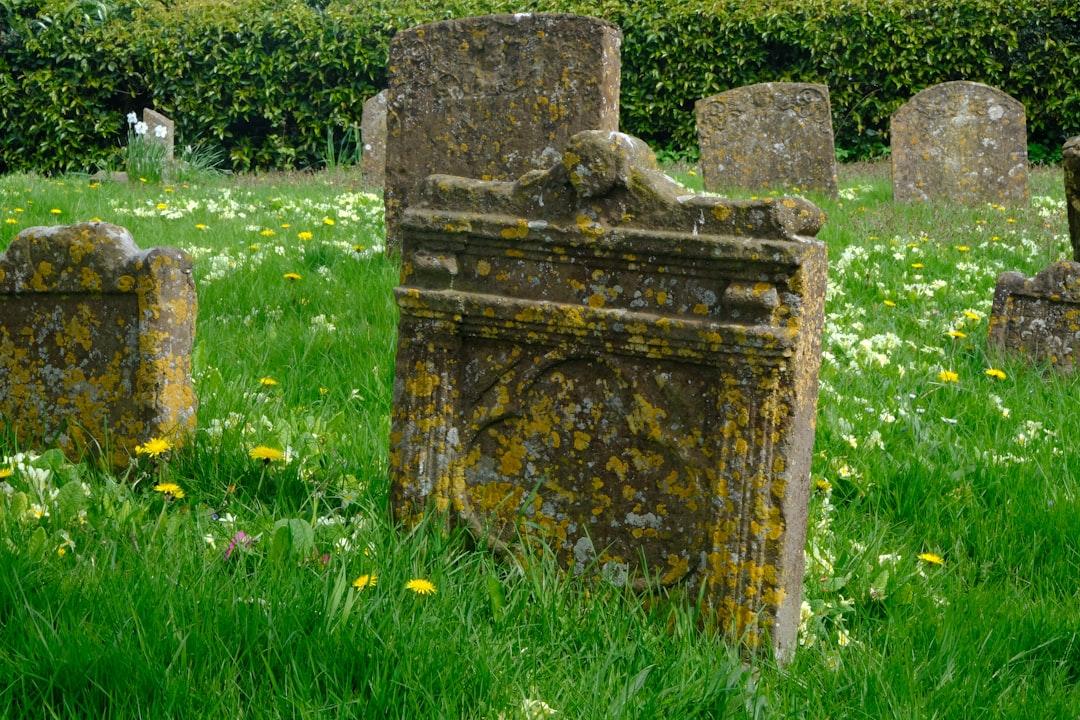

The selection of a grave headstone constitutes a significant decision, embodying not only personal sentiment but also cultural and legal implications. Various factors must be considered, including design aesthetics, material durability, and adherence to prevailing regulations governing installation practices. Moreover, the cultural and religious dimensions surrounding the choice of grave headstones further enrich the discourse, as these choices often reflect deep-seated values and collective memories. This guide aims to illuminate the complexities involved in grave headstone selection, ultimately facilitating a more informed decision-making process for individuals navigating this poignant task.
Design Considerations for Grave Headstones
When selecting a grave headstone, various design considerations become paramount to creating a lasting tribute to the deceased. The design not only reflects the individual’s personality and legacy but also ensures durability and visual appeal. Key considerations include:
- Shape and Size: The headstone’s dimensions and contour should align with cemetery regulations. Common shapes include upright, flat, and slant designs, each contributing differently to the aesthetic impression.
- Engravings and Graphics: Iconography and inscriptions play a crucial role in personalization. Choices range from simple text to elaborate carvings, conveying important personal messages, quotes, or symbols that signify beliefs or hobbies.
- Color and Texture: The choice of materials impacts both the grave headstone’s appearance and longevity. Natural stones such as granite and marble are popular for their beauty and resistance to weathering. Textures can vary from polished finishes to rough-hewn surfaces, influencing the overall look.
- Cultural Significance: Cultural considerations often dictate design elements, including symbols and layouts. Certain cultures may prefer specific motifs or structures that honor their traditions.
Ultimately, these design factors culminate in a grave headstone that serves as a poignant reminder of a life lived, while also ensuring compliance with aesthetic and regulatory standards.
Materials and Their Impact on Longevity
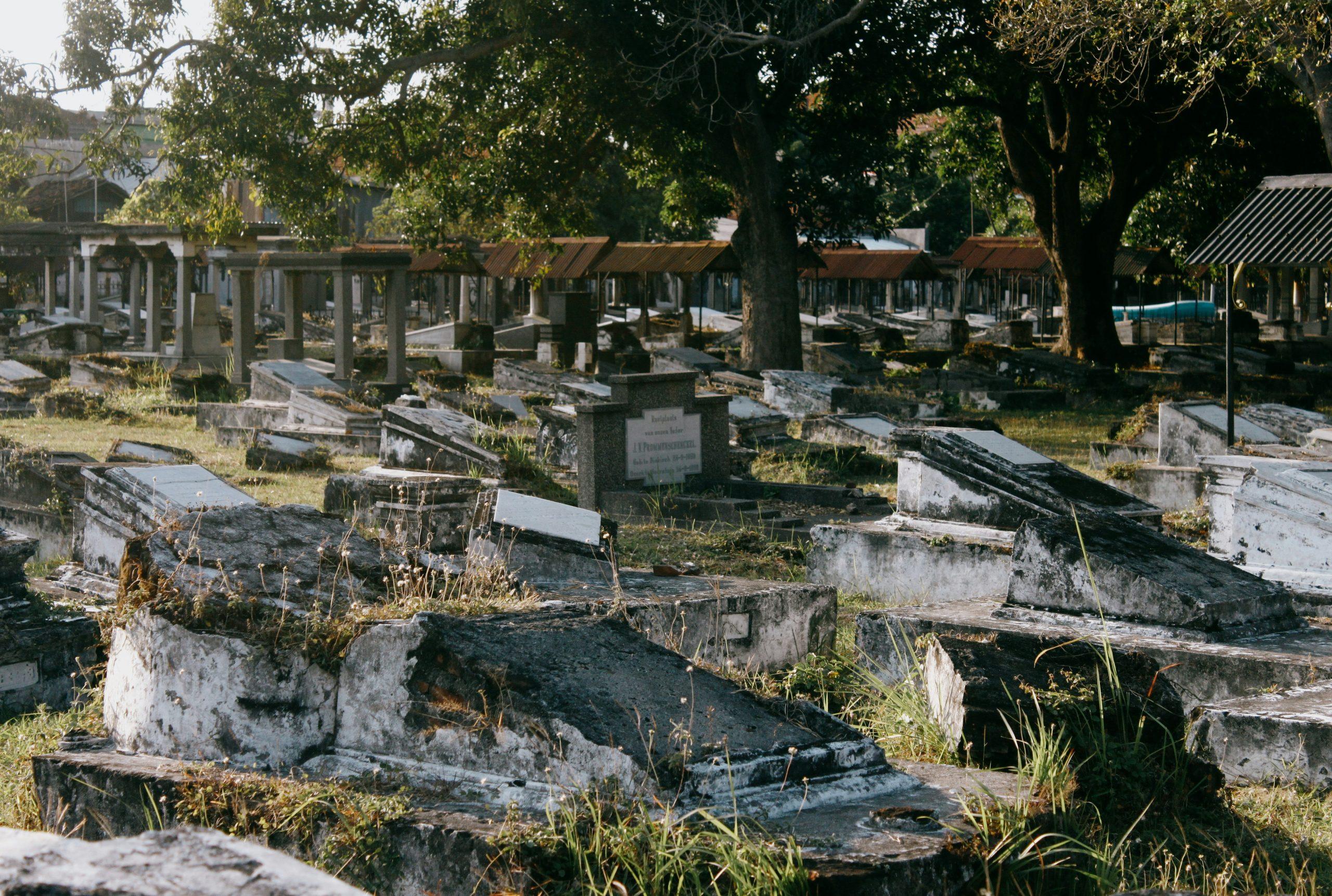
Selecting an appropriate material for a grave headstone directly influences its durability and longevity. Various materials offer distinct benefits and drawbacks, which merit careful consideration:
- Granite: Renowned for its resilience, granite withstands harsh weather conditions, ensuring a lasting tribute. It resists chipping and fading, consistently maintaining its aesthetic appeal.
- Marble: While marble exudes elegance, it is prone to wear over time, particularly in acidic environments. Its porous nature allows for easier staining, which may diminish its appearance.
- Limestone: Although less expensive, limestone’s susceptibility to erosion may lead to a shorter lifespan. Its softer composition necessitates frequent maintenance and care.
- Bronze: Often used for plaques, bronze signifies durability but may require periodic cleaning to prevent tarnishing. This material also presents a timeless, classic aesthetic.
| Material | Durability | Maintenance Level | Aesthetic Appeal |
|---|---|---|---|
| Granite | High | Low | Versatile |
| Marble | Moderate | Medium | Elegant |
| Limestone | Low | High | Natural |
| Bronze | High | Medium | Classic |
In sum, selecting a material for a grave headstone necessitates assessing its longevity, maintenance requirements, and aesthetic value, ensuring a fitting tribute to the deceased.
Cultural and Religious Significance in Headstone Selection
Selecting a grave headstone transcends mere aesthetics; it often embodies deep cultural and religious sentiments. Various cultures and beliefs dictate specific practices and designs that honor the deceased while reflecting communal values.
Key Considerations
- Cultural Traditions: Different cultures may favor specific symbols or styles. For example, Celtic crosses hold significant meaning in Irish culture, while Jewish graves typically feature simple stones with inscriptions in Hebrew.
- Religious Symbols: Many religions incorporate distinctive motifs into grave headstones. Christianity often includes crosses or angels, Buddhism may feature lotus flowers, and Hindu practices may present specific carvings or inscriptions in Sanskrit that reflect spiritual beliefs.
- Color and Material Choice: In some cultures, certain colors embody different spiritual meanings. For instance, white is often associated with purity in Christianity, while black may represent mourning in several cultures. Additionally, the choice of stone—be it granite, marble, or other materials—can signify durability and respect for the deceased.
Understanding these cultural and religious implications is vital in ensuring that the grave headstone resonates not only with personal sentiments but also with broader spiritual themes, promoting a sense of peace and remembrance.
Legal Regulations and Guidelines for Headstone Installation
Selecting a grave headstone involves not only personal and aesthetic considerations but also adherence to legal regulations. Compliance with these guidelines ensures respect for the deceased and the surrounding environment. Below are key aspects to consider:
- Cemetery Policies: Each cemetery enforces specific rules regarding the type, size, and materials of grave headstones. Prospective buyers should review these regulations to avoid purchasing a non-compliant marker.
- Size and Dimensions: Cemeteries often specify maximum height, width, and depth for grave headstones. For example, many mandate headstones not to exceed 42 inches in height.
- Material Restrictions: Some cemeteries restrict materials — preferring granite or bronze over more fragile options like marble, thereby ensuring longevity and uniformity.
- Installation Guidelines: Regulations may dictate how and when a grave headstone can be installed. Typically, installations occur at specific times to minimize disruption and respect for mourning families.
In summary, understanding and following these legal regulations and guidelines is pivotal for honoring loved ones appropriately through the selection and installation of a grave headstone.
Frequently Asked Questions
What are the different types of grave headstones available?
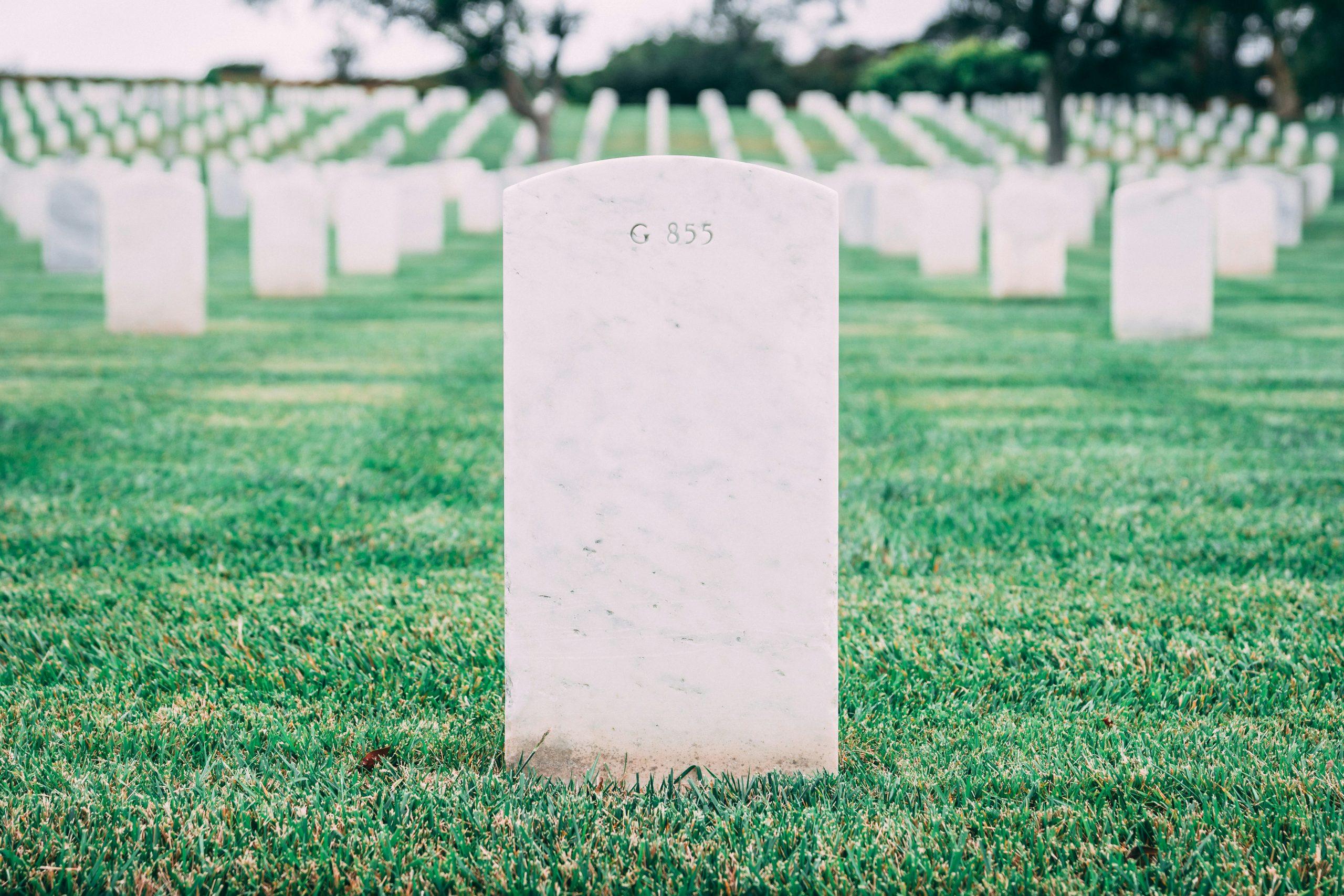
Grave headstones are available in an array of styles and materials, each serving aesthetic and functional purposes. The most common types include upright headstones, which are vertically oriented and offer significant visibility; flat grave markers, which are set at ground level and provide a more subtle tribute; and slanted or pillow headstones, which present a compromise between the two. The materials employed range from traditional granite and marble to more contemporary options like bronze and sandstone, each impacting longevity, maintenance, and customization possibilities.
How do I select the appropriate material for a headstone?
Selecting the appropriate material for a headstone hinges upon considerations of durability, aesthetics, and cost. Granite remains the most popular choice due to its resilience against weathering and its availability in numerous colors and finishes. Marble, while elegant, is more susceptible to erosion, thereby necessitating more vigilant maintenance. Alternative materials such as bronze offer an appealing visual yet entail specific preservation methods. An analysis of local climate conditions and the intended longevity of the memorial is crucial in making a judicious decision.
Are there any legal restrictions or guidelines I should be aware of when choosing a grave headstone?
Yes, several jurisdictions impose regulations regarding the size, placement, and design of grave headstones, often governed by local cemetery regulations. These guidelines are intended to preserve the aesthetic integrity of the cemetery grounds and ensure the safety and dignity of the memorials. It is imperative to consult with cemetery administrators prior to making a selection, as this engagement will elucidate permissible dimensions, material restrictions, and aesthetic guidelines to avoid potential conflicts post-purchase.
What factors should I consider in the cost of a grave headstone?
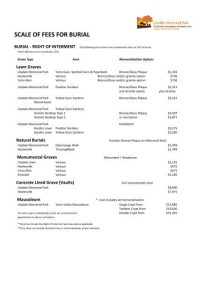
The cost of a grave headstone can vary immensely based on various factors including the choice of material, intricacy of design, size, and additional features such as engraving or decorative elements. Customization options significantly elevate the price, especially when utilizing high-quality materials or complex carvings. Installation and foundation work are also critical components of total costs. Furthermore, the significance of researching multiple suppliers and understanding the local market dynamics can enable a comprehensive appraisal of costs associated with purchasing a headstone.