Cremation Burial Options: What You Need to Know



As our society evolves, so do our end-of-life choices, leading many to explore various cremation burial options. Understanding these choices is essential for honoring the wishes of loved ones while also considering environmental and financial factors. This guide aims to provide valuable insights into the benefits of cremation, the differences between traditional and alternative burial methods, and the legal aspects involved. Whether you’re planning ahead or helping someone through a difficult time, knowing your options can bring peace of mind during an emotional journey.
Understanding Cremation Burial Options
When considering Cremation Burial Options, it’s essential to understand the variety available to families. Cremation is increasingly popular, providing flexibility in how and where to memorialize a loved one. Below are key concepts surrounding this choice:
- Cremation Process: The body is exposed to high heat, reducing it to ashes. Families receive the ashes (or cremains) for further arrangements.
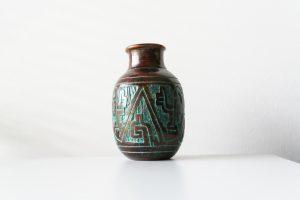
- urn Choices: Families can select from various urns, ranging from traditional materials like wood and metal to biodegradable options meant for scattering.
- Memorial Services: Many choose to hold a service before or after cremation, allowing loved ones to pay their respects.
Common Cremation Burial Options
Here’s a quick comparison of popular Cremation Burial Options:
| Option | Description | Cost Consideration |
|---|---|---|
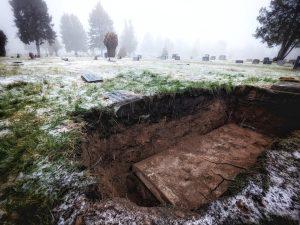
| Traditional Burial | Ashes placed in a casket and buried in a cemetery. | Moderate to High |
| Scattering | Ashes scattered at a meaningful location. | Low |
| Columbarium Niche | Ashes stored in a special wall or niche in a cemetery. | Moderate |
| Sea Burial | Ashes scattered into the ocean following legal guidelines. | Variable |
| Biodegradable Options | Eco-friendly urns that break down naturally in the soil. | Variable |
In summary, Cremation Burial Options allow families to choose a method that aligns with personal beliefs and environmental considerations. Understanding these options ensures loved ones can find a fitting tribute.
Benefits of Choosing Cremation
Choosing cremation offers several compelling benefits, making it a popular choice for many individuals and families. Here are some key advantages to consider when exploring your Cremation Burial Options:
- Affordability: Typically, cremation costs less than traditional burial. By eliminating expenses like a casket and cemetery plot, families can save significantly.
- Flexibility: Cremation provides various Memorial services. Families can choose a simple ceremony, a celebration of life, or even a memorial at a more convenient time after the cremation.
- Space-Saving: Cremation reduces the need for land and grave markers, making it an ideal option for those concerned about space. Ashes can be stored at home, scattered in meaningful places, or kept in a columbarium.
- Simplicity: The cremation process often simplifies logistics. Families do not need to adhere to strict burial regulations, allowing for more personalized and alternative memorial options.
- Environmental Impact: Many opt for cremation as a more eco-friendly choice compared to traditional burials, which require land use, embalming chemicals, and the production of caskets.
Ultimately, selecting the right option for honoring a loved one involves considering individual beliefs, values, and preferences. Cremation not only fulfills many of these aspects but also offers diverse Cremation Burial Options to cater to various needs.
Traditional vs. Alternative Burial Methods
When considering Cremation Burial Options, it’s essential to understand the differences between traditional and alternative burial methods. Each has unique features, benefits, and considerations that can impact your decision.
Traditional Burial
- Casket Required: Traditional burial typically involves using a casket, which can range widely in material and cost.
- Grave Plot: It requires a designated plot in a cemetery, which involves purchasing land.
- Embalming: Often, the body undergoes embalming to preserve it for viewing, which can add to expenses.
- Religious Practices: Many cultures view traditional burial as a sacred ritual, aligning with long-standing religious customs.
Alternative Burial
- Green Burials: This eco-friendly option uses biodegradable materials and skips embalming, allowing bodies to decompose naturally. It minimizes environmental impact and is increasingly popular.
- Cremation Options: Some opt for direct cremation, which eliminates the need for a casket or burial plot altogether. Families can then scatter ashes in a meaningful place or keep them in a memorial box.
- Cost-Effective: Generally, alternative burial methods tend to be less costly than traditional ones, focusing on the essence of memorializing the individual rather than the burial process itself.
Comparative Overview
| Method | Casket | Plot Requirement | Embalming | Cost Range |
|---|---|---|---|---|
| Traditional Burial | Yes | Yes | Yes | High |
| Alternative Burial | No | No (optional) | No | Moderate to Low |
In conclusion, both Cremation Burial Options provide unique pathways to honor your loved ones. Understanding these distinctions will help you make a more informed choice that aligns with your values and budget.
Environmental Considerations in Cremation
When evaluating Cremation Burial Options, it’s essential to consider their environmental impact. Cremation is often viewed as a more eco-friendly alternative to traditional burial methods. Here are some key factors to keep in mind:
- Reduced Land Use: Cremation requires significantly less land than traditional burials. This can help preserve natural landscapes, forests, and agricultural land.
- Lower Greenhouse Gas Emissions: While cremation does produce emissions, modern crematory technologies aim to minimize pollutants. Fewer emissions contribute to reduced environmental impact compared to decomposition processes in traditional burials.
- Chemical Usage: In burial practices, embalming fluids often contain harmful chemicals that can leach into the soil. Conversely, cremation eliminates the need for embalming, reducing chemical pollution.
Comparison of Environmental Impact
| Aspect | Traditional Burial | Cremation |
|---|---|---|
| Land Use | High | Low |
| Emission Levels | Moderate | Lower (with modern tech) |
| Chemical Pollution | Yes (embalming fluids) | No |
In conclusion, when considering Cremation Burial Options, keep in mind that opting for cremation can support a more sustainable and environmentally conscious approach to end-of-life decisions. As more individuals seek to minimize their ecological footprint, this option continues to grow in popularity.
Legal and Financial Aspects of Cremation Burial
When considering Cremation Burial Options, understanding the legal and financial implications is crucial. Here’s what you need to know:
Legal Considerations
- Authorization: Generally, a next of kin must authorize cremation. Verify local laws regarding consent requirements.
- Permits: Cremation may require specific permits or certificates, often issued by a funeral home or local authorities.
- Disposition Regulations: Different states have varied regulations on the final placement of cremated remains. Familiarize yourself with these guidelines.
Financial Aspects
Cremation tends to be more affordable than traditional burial, but costs can vary widely. Here’s a breakdown:
| Expense | Cremation | Traditional Burial |
|---|---|---|
| Service Fee | $1,000 – $3,000 | $2,500 – $5,000 |
| Casket or urn | $200 – $5,000 | $1,000 – $10,000 |
| Burial Plot | N/A | $1,000 – $4,000 |
| Total Cost Estimate | $1,200 – $8,000 | $3,500 – $20,000 |
Summary
In summary, Cremation Burial Options present both legal and financial considerations that can significantly impact decision-making. Budget for all associated costs, ensure compliance with local laws, and work with reputable providers to navigate this sensitive process effectively. Taking these steps can help alleviate some of the stress during a difficult time.
Frequently Asked Questions
What are the main types of cremation burial options available?
Cremation burial options primarily include interment in a traditional grave, placement in a columbarium niche, or scattering of ashes in a meaningful location. Each option caters to different preferences for memorialization and can be influenced by cultural and religious beliefs. Interment allows for a physical marker, while columbarium niches provide a secure and respected space for remembrance. Scattering requires careful consideration of legal regulations and the significance of the chosen location.
How does cremation compare to traditional burial in terms of cost?
Cremation is generally more cost-effective than traditional burial. The expenses associated with cremation often include the cremation itself, an urn, and a memorial service, which might be simpler than that of a full burial that requires a casket, cemetery plot, and headstone. Costs can vary significantly based on services chosen, but many families find that cremation offers a way to honor their loved ones while being mindful of financial considerations.
Are there any legal requirements for cremation and burial of ashes?
Yes, there are legal requirements surrounding cremation and burial of ashes, which can vary by location. It is crucial to obtain necessary permits and to ensure that any scattering of ashes meets local regulations. Some municipalities have specific areas designated for scattering, while others may require ashes to be buried in designated plots or niches. Always check with local authorities or your funeral provider to ensure compliance with these regulations.
Can I personalize the memorial service for a cremation?
Absolutely! Personalizing a memorial service for cremation offers families the opportunity to celebrate the life and legacy of their loved one in a meaningful way. This can involve incorporating favorite music, photographs, shared stories, or even themed decorations that reflect the deceased’s personality. Additionally, families might choose to hold the service at a significant location, such as a favorite park or beach, further enriching the experience and creating lasting memories.
What should I consider when choosing an urn for cremation ashes?
When selecting an urn for cremation ashes, consider the material, size, design, and intended final resting place. Urns are made from various materials such as metal, wood, ceramic, and biodegradable options. The size is crucial, as it should comfortably hold the ashes of the individual. Additionally, consider the aesthetics; some families may prefer a traditional look, while others may opt for something unique that represents their loved one’s personality. If the urn is for display, it should reflect their memory beautifully.