Innovative Grave Ideas for 2026

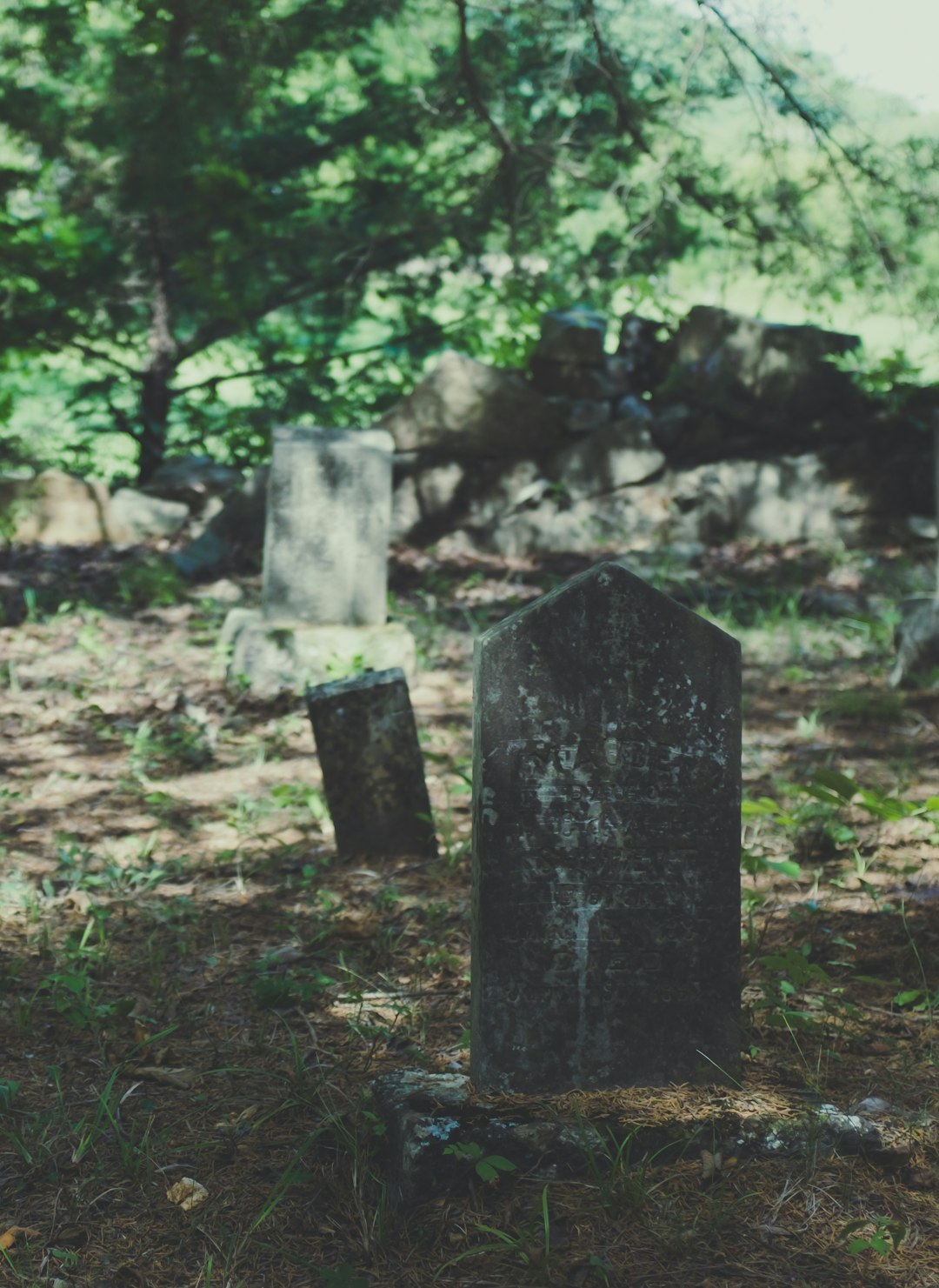

As we approach the year 2026, innovative grave options are evolving to reflect changing values and technological advancements. People are increasingly seeking eco-friendly and personalized solutions that honor their loved ones while minimizing environmental impact. This growing trend is characterized by unique memorial designs and sustainable materials, influenced by cultural shifts and modern practices in burial. Discover the latest ideas that are redefining how we remember those we cherish in the future of grave 2026.
Trendy Eco-Friendly Grave Options
As we approach grave 2026, many are seeking sustainable burial methods that honor the environment. Eco-friendly grave options are at the forefront, revolutionizing how we think about memorialization. Here are some innovative approaches:
- Green Burials: This practice involves using biodegradable materials, allowing bodies to decompose naturally. Gravesites often utilize native plants, reducing resource consumption.
- Reef Memorials: Transforming human ashes into artificial reefs, this option not only memorializes loved ones but also enhances marine life. It’s a unique and impactful way to contribute to ocean preservation.
- Tree Planting: Some companies create urns that contain seeds. When buried, they grow into trees, providing a living memorial that contributes to reforestation efforts.
- Composting: Natural organic reduction, or “human composting,” turns bodies into nutrient-rich soil, promoting a cycle of life. This practice, while still emerging, is gaining traction as burial regulations evolve.
In summary, these eco-friendly options represent a significant shift in burial practices as we advance toward grave 2026. They combine respect for the deceased with an essential commitment to environmental stewardship, aligning memorials with our planet’s well-being.
Consider these options to create a lasting legacy that benefits future generations, turning graves into life-sustaining spaces.
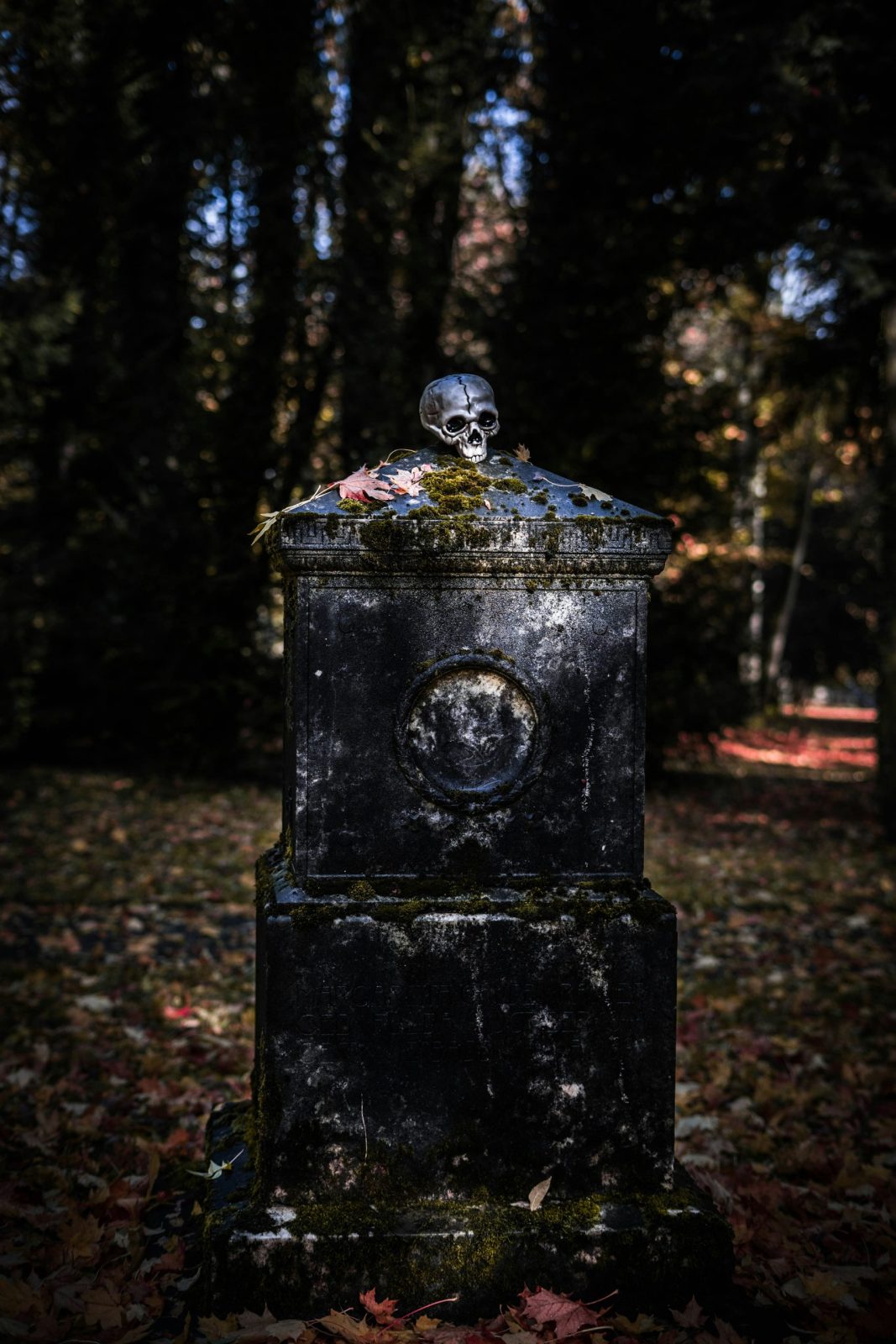
Technological Advancements in Burial Practices
As we approach grave 2026, the evolution of burial practices reflects not only changing beliefs but also the integration of advanced technologies. Today’s innovations enhance the burial experience while maintaining respect for the deceased. Here are some noteworthy advancements:
- Biodegradable Caskets: These eco-friendly alternatives decompose naturally, allowing bodies to return to the earth without harmful chemicals. Made from sustainable materials, they resonate with modern environmental values.
- Virtual Reality Memorials: Families can create immersive experiences that celebrate the life of their loved ones. By using virtual reality technology, mourners can “visit” and reminisce in beautifully rendered spaces that reflect the deceased’s favorite places.
- Smart Grave Markers: These digital headstones come equipped with QR codes or NFC chips. They allow visitors to access information about the deceased, including videos, photos, and messages from family members.
- Drone Technology: Drones aid in the surveying and management of burial sites. They provide aerial imagery and help maintain the landscape around graves, ensuring a serene environment.
- Robotics in Cemetery Maintenance: Robotic lawnmowers and drones can help maintain graveyards, greatly reducing human labor while ensuring these spaces remain beautiful and respectful.
These advancements are setting the stage for grave 2026, ensuring that memorial practices are respectful, personalized, and modern.
Personalized Memorial Designs
In 2026, personalized memorial designs will redefine how we commemorate lost loved ones. By integrating unique elements that reflect the individual’s life, these memorials will resonate deeply with families and friends. Here are a few notable trends:
- Custom Engravings: Families now opt for bespoke etchings on gravestones that include quotes, images, or symbols representing the deceased’s passions and personality.
- Interactive Memorials: Some graves may feature QR codes or NFC tags that lead to online tributes. Visitors can access photos, videos, and remembrances, creating a more immersive experience.
- Artistic Expressions: Instead of traditional headstones, individuals can choose art installations or sculptures that embody the essence of the person. These pieces often incorporate vibrant colors and materials, drawing attention to their uniqueness.
Here’s a comparison of three common styles:
| Feature | Traditional Headstone | Artistic Memorial | Interactive Grave |
|---|---|---|---|
| Design Flexibility | Limited | Highly customizable | Customizable with digital elements |
| Maintenance | Regular upkeep required | Varies based on materials | Minimal; requires tech upkeep |
| Visitor Engagement | Low | Moderate | High, involving digital interaction |
Embracing personalized designs will make grave 2026 a canvas for storytelling, celebrating individuality while providing a lasting tribute that connects generations.
Cultural Influences on Modern Grave Innovations
As we approach the year grave 2026, cultural influences play a critical role in shaping modern grave innovations. Different societies express their values, beliefs, and emotions through unique burial practices that reflect their heritage and traditions. Here are some notable influences:
- Indigenous Techniques: Many indigenous cultures prioritize natural burial methods. For instance, using biodegradable caskets enhances sustainability, aligning with the values of respecting nature and communal remembrance.
- Asian Practices: In various Asian cultures, such as Chinese and Japanese, the concept of ancestor reverence significantly influences grave design. This has led to the rise of intricate, multi-tiered tombs and personalized altars adorned with offerings reflecting familial bonds.
- Celtic Tributes: The tradition of using standing stones or stone circles in Celtic cultures has resurfaced. These structures serve as both a grave marker and a symbol of eternity, often personalized with carvings that tell a story about the deceased.
- Modern Regional Styles: Local aesthetics also play a huge role. For example, in Scandinavia, minimalistic designs focus on simplicity and connection to nature, while more ornate styles are favored in Mediterranean regions.
As we look towards grave 2026, blending these cultural elements with innovative technologies emphasizes the importance of personal stories and traditions, creating meaningful memorials that honor legacies and foster communal connection.
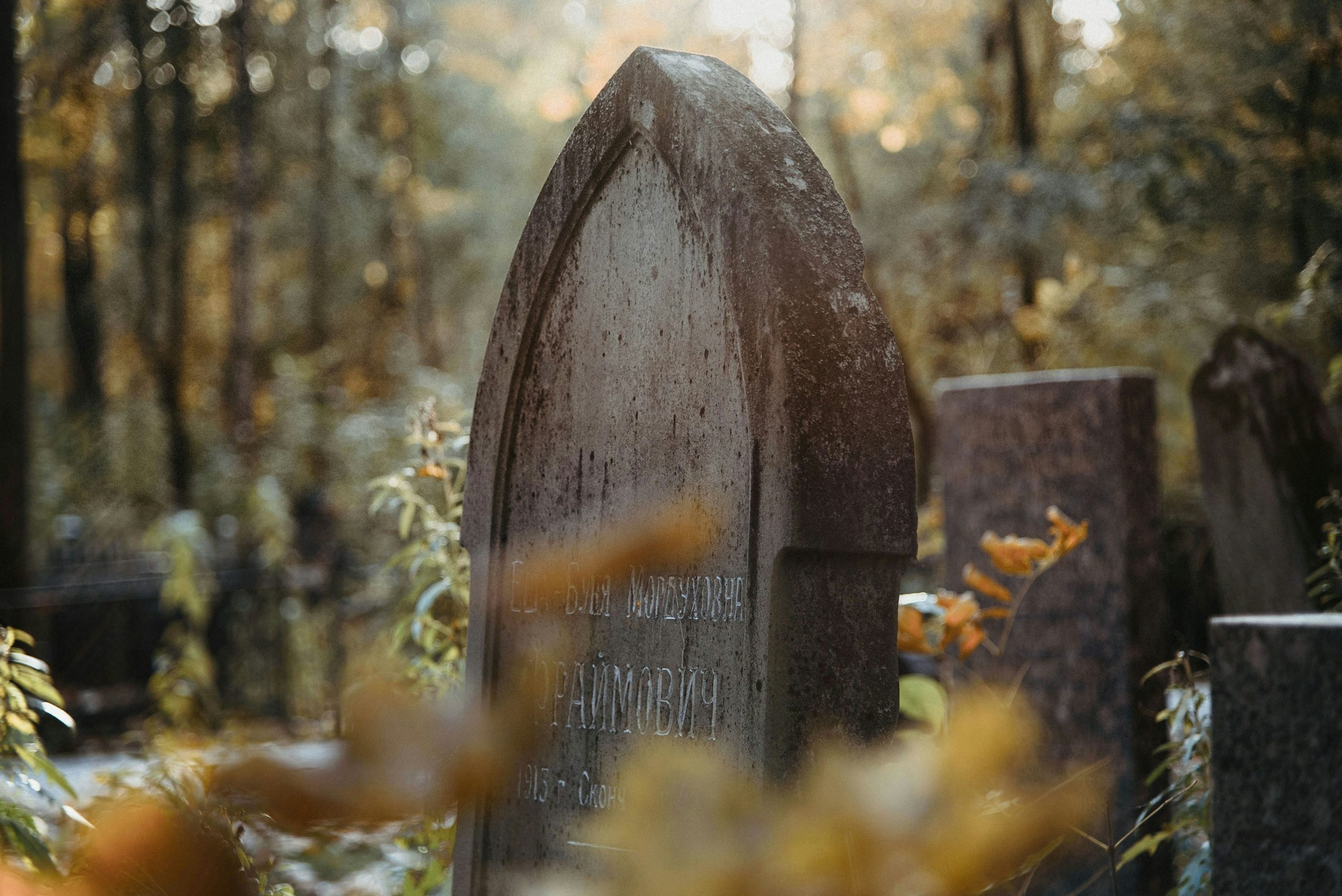
Sustainable Materials for Grave Markers
As we move towards grave 2026, the desire for eco-friendly burial practices escalates, particularly in the selection of grave markers. Sustainable materials not only reduce environmental impact but also provide unique, lasting tributes to loved ones. Here are several noteworthy options:
- Recycled Stone and Granite: Utilizing leftover materials from quarrying, these grave markers offer durability while minimizing waste.
- Bamboo: Fast-growing and biodegradable, bamboo presents a stylish and sustainable alternative for grave markers. It naturally decomposes, returning nutrients to the earth.
- Concrete with Recycled Aggregate: Concrete grave markers that include recycled aggregates from post-consumer or post-industrial waste help reduce the carbon footprint.
- Wood: Naturally sourced, untreated wood provides a more organic option. Choose species like cedar, which resist decay and can blend beautifully into natural landscapes.
- Glass: Recycled glass markers offer a unique aesthetic, allowing for beautiful designs while maintaining sustainability through reclaimed materials.
| Material | Durability | Environmental Impact | Aesthetic Appeal |
|---|---|---|---|
| Recycled Stone | High | Low | Classic & Timeless |
| Bamboo | Moderate | Very Low | Natural & Elegant |
| Concrete (Recycled) | High | Low | Versatile & Modern |
| Wood | Moderate | Moderate | Rustic & Unique |
| Glass | Moderate | Low | Colorful & Custom |
As we approach grave 2026, choosing sustainable materials for grave markers helps preserve our planet while honoring those we’ve lost. Embracing such innovations reflects a commitment to both remembrance and environmental stewardship.
Frequently Asked Questions
What are some innovative grave ideas for 2026?
Innovative grave ideas for 2026 include eco-friendly burial options such as biodegradable caskets made from sustainable materials, and living memorials like trees planted at burial sites. Technological advancements may also introduce augmented reality gravestones that tell the story of the deceased through scans or QR codes. Additionally, there could be options for customizable graves with interactive components, reflecting the personality and life of the individual.
How can I ensure that a grave is eco-friendly?
To ensure a grave is eco-friendly, you can opt for biodegradable caskets made from materials like cardboard or willow that decompose naturally over time. You might also consider natural burial grounds that preserve the land’s ecosystem, allowing bodies to rest without harmful chemicals or caskets. Explaining your wishes to a funeral home that specializes in green burials can help ensure your needs are met respectfully and sustainably.
What are the legal requirements for creating a grave?
The legal requirements for creating a grave vary by location, but generally include securing a burial plot through a cemetery and obtaining necessary permits. Many areas require certain paperwork to ensure the burial meets local health regulations. It’s advisable to check with both local authorities and the chosen cemetery regarding their specific policies to avoid legal complications and ensure compliance with local laws.
How can technology enhance memorials in 2026?
In 2026, technology can enhance memorials through the use of digital displays or holograms that celebrate a person’s life and achievements. Potential innovations include interactive gravestones equipped with QR codes that lead to online memorial pages filled with photos, videos, and personal stories. Furthermore, augmented reality apps may allow visitors to experience the deceased’s favorite locations or memories, creating a more immersive experience.
What trends are shaping the future of burial practices?
Future burial practices are being shaped by trends toward sustainability, personalization, and technology. As more people become aware of the environmental impact of traditional burials, green alternatives such as natural burials and living memorials are gaining popularity. Additionally, personalized memorials featuring unique design elements and interactive technology are becoming more common, allowing families to create a meaningful tribute. The rise of virtual funerals and digital memorials also reflects shifting social dynamics.

