Prepare for Cemetery Costs in 2026: What You Need to Know

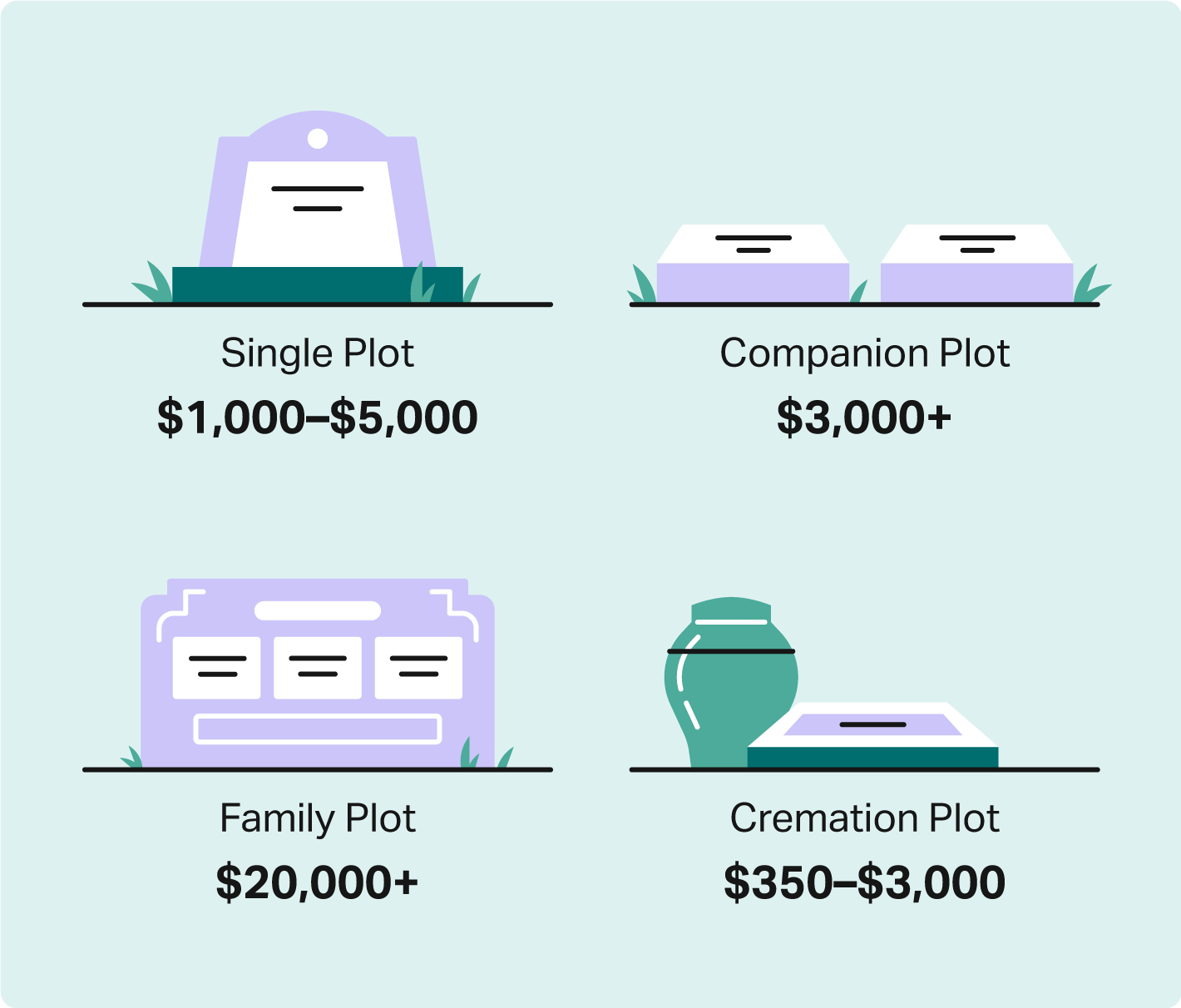

As we look ahead to 2026, understanding cemetery costs becomes increasingly important for families planning for future expenses. Factors such as location, service offerings, and demand are projected to influence cemetery pricing significantly in the coming years. With anticipated price increases, it is crucial to start budgeting for cemetery costs now to alleviate financial stress later. By familiarizing yourself with the types of cemetery services available and employing effective strategies, you can ensure a smoother planning process during this sensitive time.
Understanding Cemetery Costs: An Overview
When planning for the future, it’s crucial to understand the various factors that contribute to cemetery costs. Cemetery cost can vary significantly based on several elements, including location, type of burial, and additional services. Here’s a brief overview:
- Location: Urban areas generally have higher cemetery costs compared to rural settings due to land scarcity and demand.
- Type of Service: Traditional ground burial, mausoleum entombment, and cremation each have distinct pricing structures.
- Additional Fees: Many cemeteries charge for services such as opening and closing the grave, memorial markers, and maintenance.
To illustrate, consider this comparison:
| Type of Service | Approximate Cost Range |
|---|---|
| Ground Burial | $1,000 – $3,000 |
| Mausoleum Entombment | $5,000 – $15,000 |
| Cremation (with urn) | $500 – $3,000 |
| Opening and Closing Fees | $300 – $1,000 |
Understanding these aspects of cemetery cost helps you plan more effectively. Preparing now can ease the financial burden on loved ones later, ensuring they can focus on honoring their memories.
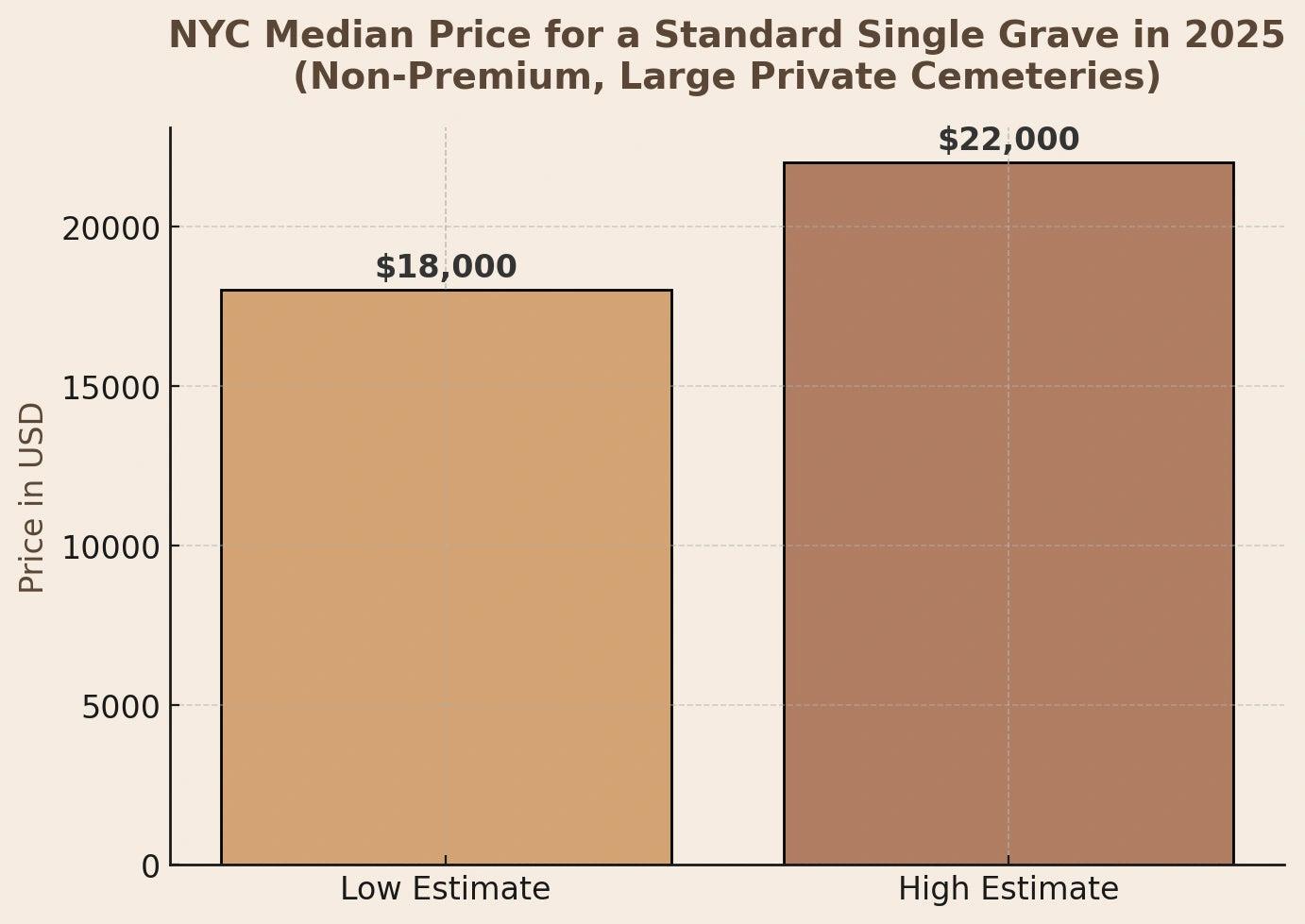
Factors Influencing Cemetery Pricing
Understanding the cemetery cost involves recognizing various factors that contribute to pricing fluctuations. Here’s a concise breakdown of key elements influencing these expenses:
- Location: Prices vary based on geographical area. Urban cemeteries tend to charge more due to higher land values.
- Plot Size and Type: Standard plots, cremation niches, or family sections come with different price tags. Larger or premium locations (like those with scenic views) increase the cemetery cost.
- Services Offered: Additional services, such as maintenance, perpetual care, or monument installation, add to the overall expense. Families should clarify what is included in basic prices versus add-ons.
- Supply and Demand: Rising populations or limited space within certain regions can lead to increased prices as demand outstrips supply.
- Regulatory Costs: Local regulations can affect pricing as cemeteries may incur additional costs to comply with environmental or zoning laws.
By exploring these factors, individuals can better prepare for the cemetery costs they might face in the future.
Projected Price Increases for 2026
As we look toward 2026, understanding the projected cemetery costs is crucial for effective financial planning. Experts anticipate several key factors will drive these increases:
- Inflation: Consistent inflation rates are likely to elevate overall prices, causing cemetery costs to rise.
- Land Availability: With urban areas facing space constraints, land for new burial plots will become scarcer, further increasing cemetery costs.
- Higher Maintenance Fees: Enhanced regulations and increased demand for maintenance may result in higher service charges for cemetery upkeep.
Comparison of Current vs. Projected Cemetery Costs
| Cost Component | Current Average Cost | Projected Cost in 2026 |
|---|---|---|
| Burial Plot | $1,000 – $4,000 | $1,200 – $5,000 |
| Headstone | $500 – $2,500 | $600 – $3,000 |
| Maintenance Fees | $100 – $300 annually | $150 – $400 annually |
By understanding how these factors contribute to cemetery cost increases, you can better prepare your budget for the future. Planning ahead allows you to absorb these expenses without major financial strain.
Budgeting for Cemetery Expenses
Budgeting for cemetery expenses requires careful planning and consideration. As cemetery costs are expected to rise in 2026, allocating your finances effectively can ease the burden during a difficult time. Here are key considerations when budgeting for cemetery expenses:
- Estimate Total Costs:
- Plot purchase: Prices vary based on location and type.
- Services: Consider burial, cremation, or mausoleum services.
- Maintenance fees: Check if ongoing fees apply.
- Create a Cost Breakdown:
- Comparative table of typical cemetery costs:
| Expense Category | Estimated Cost Range |
|---|---|
| Grave Plot | $1,000 – $4,000 |
| Opening/Closing Fees | $500 – $1,500 |
| Marker/Headstone | $1,000 – $3,000 |
| Maintenance | $300 – $600 annually |
- Set Aside Funds Early: Consider establishing a dedicated savings account for cemetery costs. This proactive approach can mitigate financial stress when the time comes.
By understanding and budgeting for cemetery costs ahead of time, you can ensure that you and your loved ones are prepared for future expenses, ultimately providing peace of mind.
Types of Cemetery Services and Their Costs
When planning for cemetery costs, it’s essential to understand the various services offered and their associated charges. Here’s a breakdown of the most common cemetery services:
- Grave Plot Acquisition
The cost for a grave plot can range from $1,000 to $4,000, depending on location and the cemetery’s reputation. - Opening and Closing Fees
This service usually costs between $300 and $1,500. It involves the preparation of the space for burial. - Headstones and Markers
Prices vary significantly, with basic options starting around $500, while more elaborate designs can exceed $5,000. - Maintenance Services
Annual maintenance can add another $100 to $500 to your cemetery cost, ensuring that the site remains in good condition. - Cremation Services
If opting for cremation, expect costs around $1,000 to $3,500, depending on the selected package and urn.
Understanding these costs will help you budget effectively for future cemetery expenses, allowing for a more straightforward planning process when the time arises.
Planning Ahead: Strategies to Manage Cemetery Costs
Managing cemetery costs effectively requires thoughtful planning and proactive strategies. By taking steps early, you can alleviate financial burdens during a difficult time. Here are some strategies to consider:
- Research Ahead: Investigate various cemeteries in your area and compare their pricing. Costs can vary significantly depending on location and services offered.
- Pre-Planning: Many cemeteries allow families to purchase plots and services in advance. This not only locks in current prices but also eases the decision-making process.
- Bundle Services: Look for packages that combine services—like burial plots, headstones, and memorial services—often offered at reduced rates compared to purchasing individually.
- Ask About Payment Options: Some cemeteries offer flexible payment plans, allowing you to spread out cemetery costs over time, which can make payments more manageable.
- Discuss with Family: Open communication with family members ensures everyone understands expectations and can contribute, reducing the individual financial strain.
By implementing these strategies, you can effectively manage your cemetery costs and ensure a respectful tribute when the time arises.
Frequently Asked Questions
What are the average cemetery costs projected for 2026?
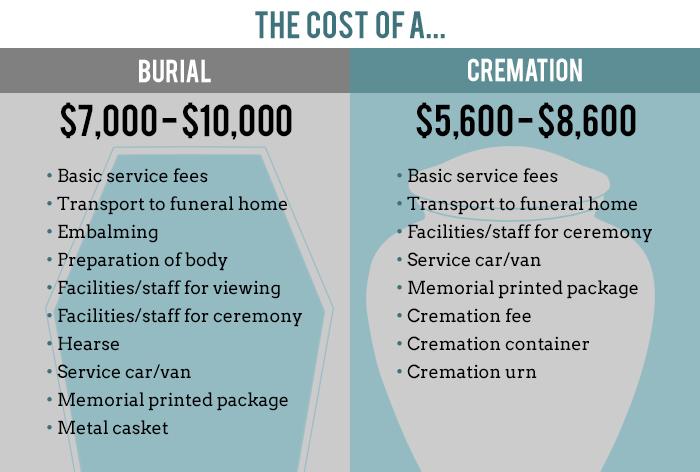
As we approach 2026, the average cemetery costs are expected to rise significantly due to inflation and increased service fees. Currently, traditional burial costs can range from $7,000 to $10,000, including the cemetery plot, headstone, and additional services such as opening and closing the grave. It is essential to research and compare different cemeteries as costs can vary widely by location and type of service chosen.
How can I prepare financially for cemetery expenses?
Preparing financially for cemetery expenses involves several strategic approaches. Families should start setting aside funds in advance through a dedicated savings account or pre-need funeral plans. Considering purchasing burial insurance can also help cover these costs. Additionally, discussing preferences and allocating a budget with family members ensures that everyone is on the same page and reduces financial stress during a difficult time.
What factors influence cemetery costs?
Several factors influence cemetery costs, including the location of the cemetery, the type of burial or cremation service, and the specific services chosen, such as memorial services or embalming. Cemetery plots in urban areas are typically more expensive than those in rural settings. Furthermore, the demand for specific burial options, seasonal effects, and governmental regulations can also impact overall pricing, making it vital to conduct thorough research beforehand.
Are there payment plans available for cemetery services?
Many cemeteries offer flexible payment plans to accommodate various financial situations. These payment plans may allow families to pay for services in installments rather than all at once, easing the financial burden at the time of need. It is advisable to inquire directly with the cemetery about their specific payment options, any interest or fees associated, and the terms of the plan, ensuring that families can make informed decisions.