The Best Practices for Burying Ashes in a Cemetery



Burying ashes in a cemetery can be a meaningful way to honor a loved one’s memory while adhering to specific regulations and policies. As families navigate this process, it’s essential to understand the guidelines set by the cemetery, select an appropriate location, and prepare a ceremony that resonates with personal significance. Choosing the right urn or container is also crucial, as it reflects the individual’s essence and pays tribute to their life. This guide will explore the best practices for burying ashes, ensuring a respectful and memorable farewell.
Understanding Cemetery Regulations and Policies
Before proceeding with burying ashes, it’s essential to familiarize yourself with cemetery regulations and policies. Each cemetery has specific rules that dictate how and where ashes can be interred. Here are some key points to consider:
- Type of Burial: Some cemeteries allow for traditional interment, while others may have designated areas specifically for cremation ashes. Verify which options are available.
- Plot Selection: Certain locations within the cemetery may be restricted. Investigate whether you need to purchase a plot specifically for burying ashes or if columbariums are available.
- Documentation Requirements: Most cemeteries require a death certificate and may have specific forms to fill out for interment permission. Ensure you have all necessary paperwork ready.
- Costs and Fees: Understanding the financial obligations is crucial. Inquire about plot prices, interment fees, and ongoing maintenance costs associated with burying ashes.
- Local Laws: Familiarize yourself with any local laws regarding the burial of ashes, as regulations may vary by region.
By understanding these regulations, you can navigate the process of burying ashes smoothly and respectfully.

Choosing the Right Location for Ash Interment
When deciding on a location for burying ashes, consider several important factors to ensure it holds meaning and respects your loved one’s memory. Here’s how to choose the right spot:
- Cemetery Policies: Different cemeteries have unique regulations regarding where ashes can be interred. Always check these guidelines to ensure compliance.
- Natural Surroundings: Look for a serene location within the cemetery. Areas surrounded by trees, gardens, or water can enhance the peacefulness of the final resting place.
- Proximity to Family: Select a spot that allows family members to easily visit. Choosing a location near other relatives’ graves can create a sense of unity.
- Memorial Features: Consider whether you want specific memorial features nearby, such as benches or plaques, enhancing the site’s significance.
- Accessibility: Ensure the area is accessible for family members of all ages, making visits comfortable and convenient.
By thoughtfully evaluating these aspects when choosing a location for burying ashes, you create a loving tribute that honors your loved one’s life.
Preparing for a Meaningful Ceremony
Preparing for a meaningful ceremony when burying ashes is essential to honor your loved one’s memory. This occasion not only provides closure but also allows you to celebrate their life. Here are some vital steps to ensure the ceremony holds significance:
- Choose the Date and Time: Consider a day that resonates with the deceased’s personality or important anniversaries.
- Select a Location: While you’re burying ashes in a cemetery, think of a spot that had special meaning to the deceased or your family.
- Plan the Ceremony Elements:
- Speeches and Tributes: Encourage friends and family to share their fond memories.
- Music Selection: Choose songs that reflect their life or favorites to create an emotional atmosphere.
- Personal Touches: Incorporate personal items or meaningful symbols.
Ultimately, the goal is to create a heartfelt experience that reflects the love you had for the individual. By thoughtfully preparing for the ceremony, you can ensure that burying ashes becomes a powerful tribute to a cherished life.
Selecting an Appropriate urn or Container
When it comes to burying ashes, selecting the right urn or container is crucial for honoring your loved one’s memory. The urn you choose not only holds the ashes but also reflects their personality and preferences. Here’s what to consider:
- Material Choices:
- Wooden Urns: Offer a traditional and warm appearance.
- Metal Urns: Known for durability and can withstand the elements.
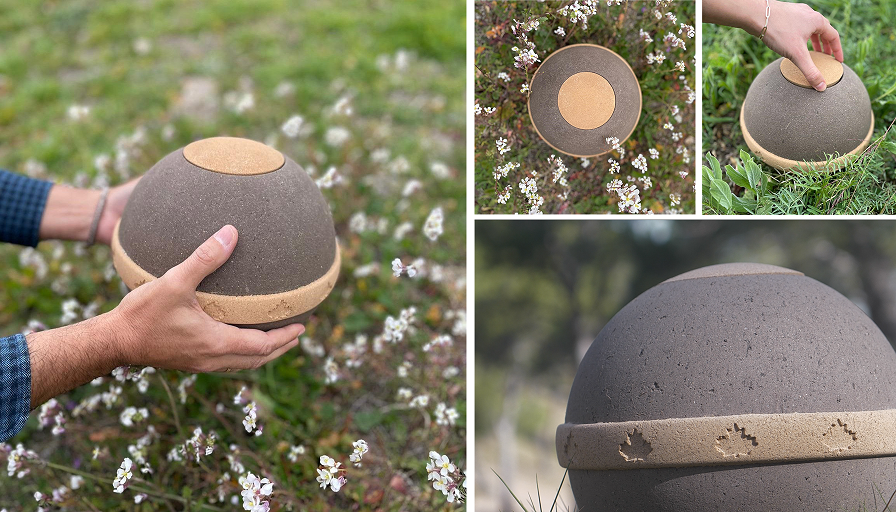
- Biodegradable Urns: Ideal for environmentally conscious individuals, designed to decompose over time when buried.
- Size and Capacity:
- Ensure the urn can hold all of the ashes. Generally, one cubic inch of space accommodates one pound of the person’s weight before cremation.
- Design and Personalization:
- Look for designs that resonate with your loved one’s hobbies or interests.
- Many urns come with options for engraving or adding personal touches, allowing for a more meaningful tribute.
In conclusion, when burying ashes, the right urn or container plays an essential role in creating a lasting memorial. Choose one that reflects the uniqueness of your loved one while meeting cemetery regulations and policies.
Maintaining the Burial Site
Proper maintenance of the burial site is essential for honoring a loved one after burying ashes. A well-cared-for memorial not only preserves the integrity of the site but also provides a space for reflection. Here are some effective practices:
- Regular Visits: Make regular visits to the site. This strengthens your connection and allows for timely upkeep.
- Cleaning: Keep the area tidy. Remove debris, leaves, or litter to maintain a serene environment.
- Floral Arrangements: Consider placing fresh flowers or decorative items. This adds a personal touch and shows ongoing love.
- Check for Damage: Inspect the surroundings for any damage. Report issues to cemetery staff to ensure repairs are made promptly.
- Seasonal Changes: Adapt your maintenance practices as seasons change. For instance, winter may require snow removal, while spring focuses on plant care.
By actively maintaining the burial site after burying ashes, you honor the memory of your loved ones and create a peaceful space for remembrance.
Honoring the Memory of Loved Ones Through Remembrance
Burying ashes in a cemetery is not just a physical act; it is also a heartfelt way to commemorate your loved ones. Engaging in meaningful remembrance can help preserve their legacy and provide solace to those left behind. Here are some thoughtful ways to honor their memory:
- Personalized Memorialization: Consider placing a personalized headstone or marker at the burial site. Engraving their name, dates, and a special quote can create a lasting tribute.
- Planting Flowers or Trees: Choose to plant flowers or a small tree at the site where you buried the ashes. This living tribute symbolizes ongoing life and remembrance.
- Annual Remembrance Rituals: Establish a tradition of visiting the site annually. Light a candle or bring favorite flowers to celebrate their life and keep their memory alive.
- Sharing Stories: Encourage family and friends to share their favorite memories of the deceased during visits. This practice fosters connections and keeps their spirit present.
- Creating a Memory Book: Compile photographs and stories in a memory book, which can be kept at the burial site and shared with others. This interactive way of remembrance allows loved ones to reflect on shared moments.
By incorporating these practices, burying ashes becomes not just an end but an opportunity to celebrate life and cherish memories.
Frequently Asked Questions
What are the legal requirements for burying ashes in a cemetery?
Before proceeding with the burial of ashes in a cemetery, it’s essential to familiarize yourself with the legal requirements in your area. Generally, most cemeteries allow the burial of cremated remains, but some might have specific regulations regarding the depth of burial, the type of urn used, and the plots designated for ashes. You should consult the cemetery management for their guidelines and any necessary permits to ensure compliance with local laws.
Can I bury ashes in a cemetery without a burial plot?
Generally, burying ashes in a cemetery typically requires a designated burial plot. However, some cemeteries may offer communal spaces or gardens specifically for the scattering or interment of ashes, eliminating the need for an individual plot. It is important to check with the cemetery administration to explore your options, as regulations can vary widely, and some places might permit creative solutions for burial or memorializing ashes.
What are the best practices for choosing an urn for burial?
When selecting an urn for burial in a cemetery, consider the material, size, and design. Choose an urn that is biodegradable if you wish for it to decompose naturally in the earth. Ensure that the urn fits the cemetery’s regulations and dimensions for burial containers. Additionally, think about personal style and the wishes of the deceased; the urn can be a reflection of their personality or beliefs. It’s vital to discuss your choices with the family to find one that honors their memory appropriately.
Is there a specific way to conduct a burial ceremony for ashes?
While there are no strict rules regarding how to conduct a burial ceremony for ashes, it is typically a personal and meaningful event. Many families choose to have a small gathering of close friends and relatives to share memories and reflections. You might include readings, music, or prayers that were significant to the deceased. Personal touches, such as flowers, favorite items, or even a speech from a loved one, can make the ceremony more memorable. Ultimately, the ceremony should reflect the unique life of the individual and the wishes of the family.