The Emergence of Cemetery Urn Burial in 2026

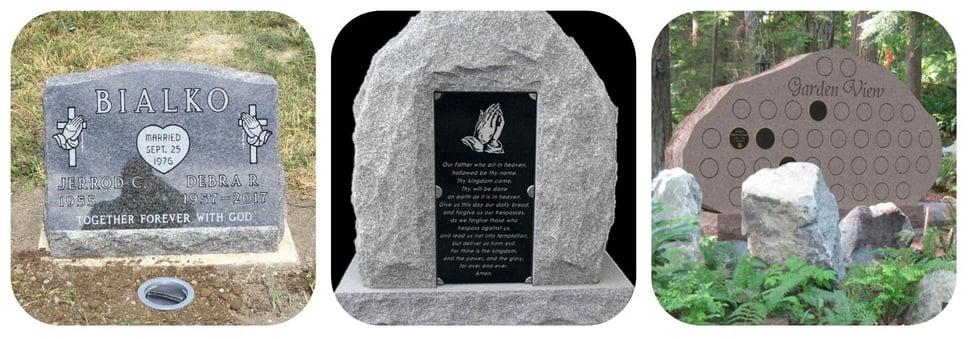

In 2026, cemetery urn burial has emerged as a significant trend, reflecting a shift in societal attitudes toward memorialization and environmental sustainability. As traditional burial practices evolve, more individuals are opting for urn burials, influenced by cultural changes and a growing awareness of ecological benefits. This transformation is not merely a matter of preference but is deeply rooted in historical context and current legal frameworks surrounding burial practices. Understanding these dynamics helps illuminate the increasing acceptance and rise of cemetery urn burial in contemporary society.
Historical Context of Cemetery urn Burial
Cemetery urn burial has evolved significantly from ancient practices to modern preferences. Historically, urns served as containers for cremated remains, often reflecting the artistry and craftsmanship of their time. Key developments include:
- Ancient Civilizations: The Egyptians and Greeks used urns for burial, symbolizing life after death. These urns were often decorated and intended to honor the deceased.
- Middle Ages: In Europe, urns became less common in burial practices, with a focus shifting to caskets and graves. However, the idea of holding ashes in beautiful containers persisted in various cultures.
- Modern Era: From the late 20th century onwards, a resurgence in cremation led to the popularization of cemetery urn burial. Families now seek more personalized and meaningful options for honoring their loved ones.
In 2026, cemetery urn burial reflects an important blend of tradition and innovative practices, allowing individuals and families to remember their loved ones with dignity and respect. As societal values continue to shift, understanding this historical context enriches our appreciation for urn burials today.

Factors Leading to the Rise of urn Burials
The trend towards cemetery urn burial has gained momentum due to several interrelated factors. These include:
- Cultural Shifts: Society is increasingly embracing cremation as a respectful alternative to traditional burial. Many families now find urns to symbolize their loved ones’ memory more effectively.
- Space Constraints: Urbanization has resulted in a scarcity of burial plots. Cemetery urn burial offers a more space-efficient solution, allowing families to memorialize their loved ones in a reduced area.
- Cost-Effectiveness: Cremation and subsequent urn storage typically incur lower expenses than traditional burial practices. This financial aspect appeals to many seeking affordable funeral options.
- Environmental Awareness: With growing concern for the environment, cemetery urn burial emerges as a sustainable choice. Many urns are designed to decompose naturally, minimizing the ecological impact.
- Personalization: urn burials allow for greater personalization. Families can choose urn designs that reflect their loved ones’ personalities and values.
As these factors converge, the popularity of cemetery urn burial is poised to increase significantly in 2026 and beyond.
Cultural Perceptions of urn Burials in 2026
In 2026, the cultural perception of cemetery urn burial has evolved significantly, reflecting broader societal changes. Many individuals now view urn burials as an intimate and respectful way to commemorate loved ones. Here’s how perceptions have shifted:
- Personalization: Families increasingly favor urns that reflect the deceased’s personality, hobbies, or beliefs. This personalization adds meaning, making the cemetery urn burial experience more unique and memorable.
- Simplicity and Affordability: With rising funeral costs, many see urn burials as a more accessible option. This shift towards simplicity resonates with those prioritizing meaningful farewells over extravagant ceremonies.
- Cultural Acceptance: Various cultures have embraced urn burial practices, integrating them with traditional memorial customs. For instance, some communities now blend cremation with rituals that honor the deceased’s life.
- Environmental Consciousness: As society grows more aware of environmental issues, more people consider eco-friendly urn options, promoting sustainable burial practices that resonate with their values.
Overall, the sentiment towards cemetery urn burial in 2026 reflects a blend of tradition, personalization, and environmental awareness, signaling a profound shift in how we honor those who have passed.
Environmental Benefits of Choosing Urns
Opting for a cemetery urn burial presents numerous environmental advantages compared to traditional burial methods. Here are some key benefits:
- Reduced Land Use: Cemetery urn burials require significantly less space than conventional casket burials. By conserving land, we help maintain natural habitats.
- Minimized Chemical Impact: Traditional burials often involve embalming fluids that can seep into the ground, contaminating soil and water. In contrast, urns typically use biodegradable materials that cause minimal environmental disruption.
- Lower Carbon Footprint: Cremation, often associated with urn burials, requires less energy, leading to a reduced carbon footprint compared to the extensive resources consumed in traditional casket burials.
- Promotes Natural Decomposition: Many urns are designed to decompose naturally, allowing for a more harmonious return to nature, further encouraging eco-friendly practices in cemeteries.
In summary, choosing a cemetery urn burial not only respects individual legacies but also aligns with sustainable practices, ultimately benefiting the planet. Consider this option when planning for future generations.

Legal Considerations Surrounding urn Burials
When opting for cemetery urn burial, understanding the legal framework is essential. Regulations can vary significantly by location, so consider the following key points:
- Permitted Locations: Not all cemeteries allow urn burials. It’s vital to confirm specific policies with the cemetery management before making arrangements.
- Requirements for Urns: Some cemeteries have size or material standards for urns. Check if your chosen urn complies with these regulations.
- Grave Marking: Local laws may stipulate how graves are marked. This can include restrictions on headstones or memorial placements.
- Legal Documentation: Most cemeteries require a burial certificate or permit. Ensure that you have the necessary paperwork prepared to avoid delays.
- Disputes and Rights: Familiarize yourself with local laws regarding burial rights and potential family disputes, particularly if the urn burial involves multiple relatives.
In conclusion, navigating the legal landscape of cemetery urn burial is crucial. Always consult with cemetery officials and legal experts to ensure a smooth process.
Future Trends in Cemetery urn Burial Practices
As society evolves, so do our approaches to end-of-life practices. The future of cemetery urn burial is shaping up to reflect increased environmental awareness, personalization, and technological integration. Here are some expected trends:
- Sustainable Materials: Expect urns made from biodegradable materials, like bamboo or recycled paper, which align with eco-friendly values.
- Personalization Options: Families will have the opportunity to choose customizable urn designs, incorporating colors, engravings, and even photographs, enhancing personal connections in cemetery urn burial.
- Community Gardens: Some cemeteries may transform into community gardens where families can plant memorial trees alongside their loved one’s urn, promoting a living tribute.
- Advanced Technology: The integration of QR codes or digital memorials can lead to interactive experiences, allowing visitors to learn about the deceased’s life story through multimedia presentations.
- Scattering Areas: Designated scattering gardens will become more common, providing serene locations for families to honor loved ones with ceremonial releases of ashes.
As we head into 2026, these trends in cemetery urn burial practices indicate a shift towards more meaningful, responsible, and personalized memorial experiences.
Frequently Asked Questions
What is cemetery urn burial and how does it differ from traditional burials?
Cemetery urn burial refers to the practice of interring cremated remains of individuals in specially designed urns within a cemetery. Unlike traditional burials, where a body is placed directly in the ground, urn burials involve the use of urns that can be made from various materials like ceramic, metal, or biodegradable substances. This method often allows for more personalized memorialization and may be more environmentally friendly, as the cremation process reduces the space needed compared to a full casket burial.
Why has cemetery urn burial gained popularity in 2026?
In 2026, there has been a significant rise in the popularity of cemetery urn burial due to various factors such as an increasing awareness of environmental issues, changing funeral preferences, and the desire for more personalized memorial options. Many people are opting for cremation as it tends to be more cost-effective and requires less space than traditional burials. Additionally, the trend towards simplicity and minimalism in life has influenced end-of-life decisions, making urn burials an appealing choice for many families.
What options are available for memorialization with cemetery urn burials?
Cemetery urn burials offer a variety of memorialization options tailored to individual preferences. Families may choose decorative urns that reflect the personality of the deceased, or opt for natural, biodegradable urns that promote environmental sustainability. Furthermore, families can customize the burial site with memorial plaques, flowers, or keepsakes, and sometimes, urns can be buried in designated memorial gardens. These choices allow loved ones to create meaningful tributes that honor the life and legacy of the deceased.
What should I consider when choosing a cemetery for urn burial?
When selecting a cemetery for urn burial, it’s essential to consider several factors. Start by looking into the cemetery’s policies regarding cremation urns, as some may have specific regulations regarding the type of urns allowed. Additionally, check for available burial plots or niches for urns and any related costs. It’s also important to assess the location, ambiance, and accessibility of the cemetery, as well as any additional services they may provide, such as grief counseling or memorial services.