Why Grave Roses Are the Perfect Tribute for Loved Ones

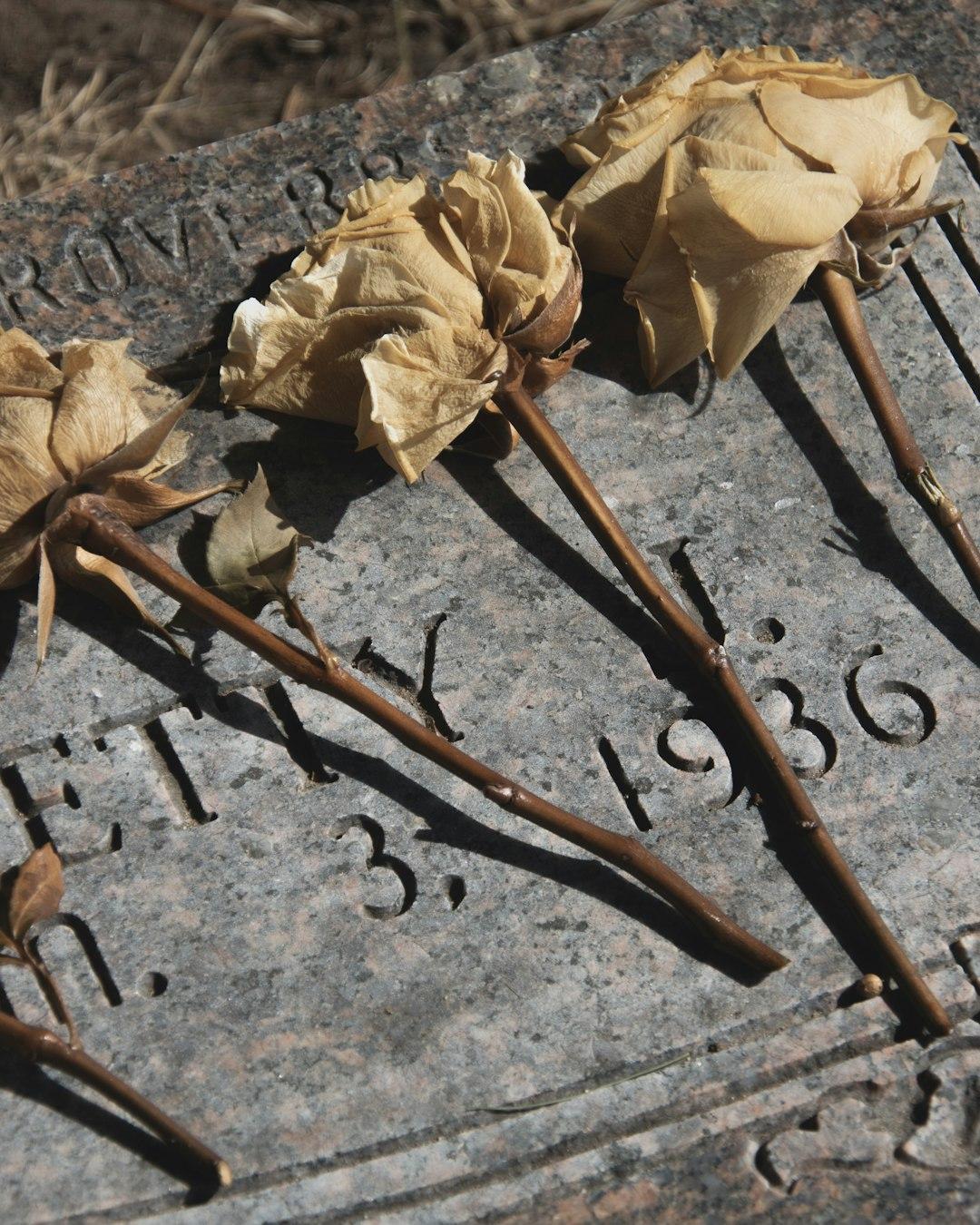

The selection of floral tributes, particularly the grave rose, serves as a poignant symbol within contemporary commemorative practices, illustrating a profound connection between the living and the deceased. In various cultures worldwide, the act of offering flowers during mourning rituals transcends mere aesthetics; it embodies emotional sentiments and ancestral homage. Research underscores the psychological benefits derived from such floral gifts, revealing their capacity to facilitate grieving processes and memorialize loved ones in an environmentally thoughtful manner. Consequently, grave roses emerge not only as a significant cultural artifact but also as a vital element in the ecological landscape of remembrance.
Symbolism of Grave Roses in Commemorative Practices
The grave rose transcends mere aesthetic appeal; it embodies profound symbolism within commemorative practices. Traditionally, roses symbolize love and passion, while their specific hues convey distinct emotions. Thus, the grave rose serves as a poignant emblem for remembering and honoring loved ones who have departed.
- Red Roses: Represent eternal love, emphasizing the deep affection that continues beyond death.
- White Roses: Symbolize purity and innocence, often chosen to honor the life and virtuous qualities of the deceased.
- Yellow Roses: Signify the joy and happiness shared during the lifetime, reminding mourners of cherished memories.
In addition to color symbolism, the act of placing Grave Roses at memorial sites fosters a tangible connection between the living and the deceased. This ritual not only honors the memory of the departed but also facilitates a space for the living to express their grief and love.
Consequently, Grave Roses integrate emotional resonance with aesthetic grace, making them an ideal choice for tributes that celebrate the lives of those we’ve lost.
Cultural Significance of Floral Offerings in Mourning Rituals
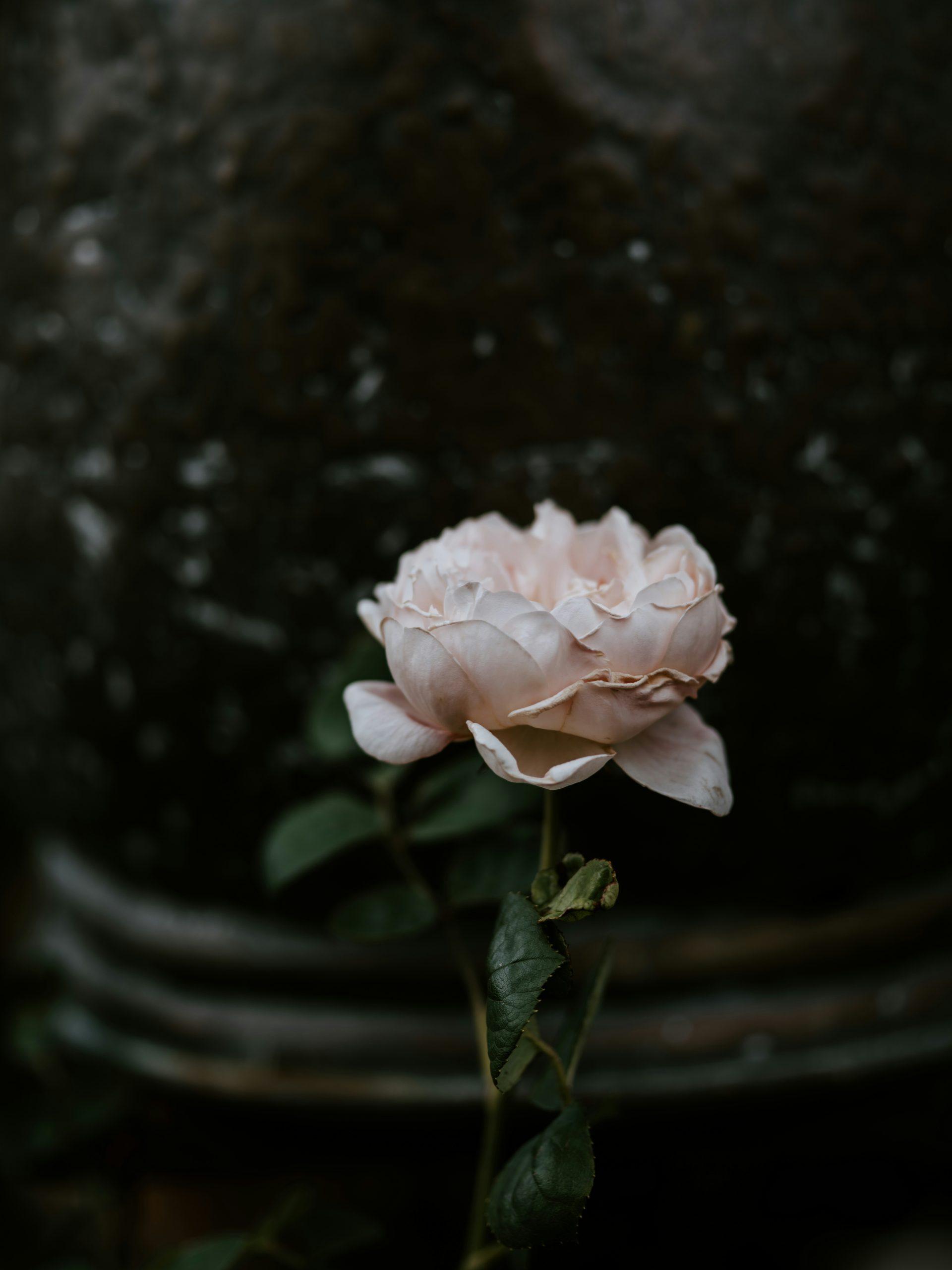
Floral offerings, particularly Grave Roses, hold profound symbolic significance across various cultures in the context of mourning rituals. Their appeal lies not solely in their aesthetic qualities but also in their capacity to convey deep emotional resonance. Thus, the role of Grave Roses in commemorative practices becomes multifaceted:
- Symbol of Love and Remembrance: Flowers often represent affection towards those who have passed, facilitating a tangible connection to cherished memories. The delicate beauty of Grave Roses encapsulates the essence of love that endures beyond death.
- Cultural Interpretations: Various cultures impart distinct meanings to floral offerings. For instance:
- Western traditions commonly associate roses with eternal love, while
- Eastern rituals may emphasize rebirth and the transience of life, underscoring the duality of grief and hope.
- Ritualistic Use: In many societies, presenting Grave Roses at gravesites serves as a public display of mourning, prompting communal grieving. This act fosters a collective remembrance, enabling social support among the bereaved.
In conclusion, Grave Roses exemplify the layered complexities within mourning rituals, effectively bridging private sorrow and public acknowledgment of loss. Their cultural significance continues to resonate profoundly in practices surrounding death and remembrance.
Ecological Considerations for Selecting Grave Roses
When selecting Grave Roses as a tribute for loved ones, ecological considerations emerge as critical factors that influence both environmental sustainability and the integrity of memorial practices. It is essential to recognize the following aspects:
- Sourcing: Opt for locally and sustainably grown Grave Roses to reduce the carbon footprint associated with transportation. Globally sourced blooms frequently involve significant ecological expenditures, thereby undermining the intent of remembrance.
- Pesticide Use: Choose Grave Roses cultivated without harsh chemicals. Organic practices not only preserve the plants’ natural beauty but also protect local wildlife and soil health.
- Native Species: Selecting indigenous rose varieties complements local ecosystems. These plants generally require less water and are resilient to regional climate conditions, minimizing resource consumption.
- Longevity: Consider the lifespan of the flowers chosen. Hardy varieties typically last longer in their memorial setting, reducing the need for frequent replacements and subsequent waste.
In essence, the thoughtful selection of Grave Roses, grounded in ecological principles, facilitates a tribute that honors not only the departed but also the environment.
The Emotional Impact of Gifted Remembrance Flowers
The act of gifting Grave Roses extends beyond aesthetic appeal, encapsulating profound emotional resonance. Numerous empirical studies highlight the psychological benefits associated with floral offerings in mourning contexts.
- Symbol of Love: The grave rose serves as an enduring emblem of affection, facilitating a connection with deceased individuals. Flowers often evoke cherished memories, creating a comforting atmosphere for the bereaved.
- Expressive Communication: When words fall short, Grave Roses articulate sentiments of grief, remembrance, and love. Their vibrant hues and fragrant essence convey emotions that transcend verbal communication.
- Therapeutic Effects: Engaging with nature has demonstrated psychological benefits, aiding individuals in processing their grief. The presence of the grave rose can provide solace and foster healing through its authentic representation of life and beauty amidst loss.
In conclusion, the emotional impact of Grave Roses as remembrance flowers profoundly influences bereavement experiences. Their significance lies not only in the act of giving but also in the healing power they embody, forging connections that continue beyond life itself.

Frequently Asked Questions
What is the significance of grave roses as a tribute to the deceased?
Grave roses serve as a poignant symbol of love and remembrance for the deceased, embodying the enduring bond that persists even in death. According to various studies in grief psychology, the act of commemorating loved ones through floral tributes not only aids in the grieving process but also fosters an environment conducive to healing and closure. The vibrant colors and delicate nature of roses evoke a sense of beauty and serenity, facilitating a connection between the bereaved and their lost loved ones.
How do grave roses differ from standard floral arrangements?
Grave roses are distinct in both their composition and intention when compared to standard floral arrangements. Specifically tailored for placement in graveyards, these arrangements often incorporate sturdier, longer-lasting varieties of roses that can withstand outdoor elements. Furthermore, grave roses are often designed to hold symbolic meanings reflective of the personality and preferences of the deceased, such as specific colors representing various emotional states or life achievements, thus enhancing their role as personalized tributes.
What are some considerations when choosing grave roses for a loved one?
Selecting grave roses necessitates thoughtful consideration of several factors, such as the preferences of the deceased, the local climate, and the symbolic meanings attributed to different rose colors. For instance, red roses are often associated with love and respect, while white roses symbolize purity and innocence. Additionally, it is essential to consider the longevity of the floral arrangement, opting for sturdier varieties that are better suited for prolonged outdoor exposure, thereby ensuring that the tribute remains a beautiful reflection of remembrance.
Can grave roses serve purposes beyond decoration?
Indeed, grave roses transcend mere decorative functions; they epitomize a profound expression of memory, continuity, and emotional bonding with the departed. Research in the field of memorial practices indicates that engaging in the ritual of placing grave roses can significantly contribute to an individual’s emotional well-being and coping mechanisms during the mourning process. The act of tending to a grave adorned with roses can also foster a sense of presence and ongoing relationship with the deceased, ultimately aiding in the healing journey.