Custom Grave Headstones: Personalizing Your Loved One’s Final Resting Place

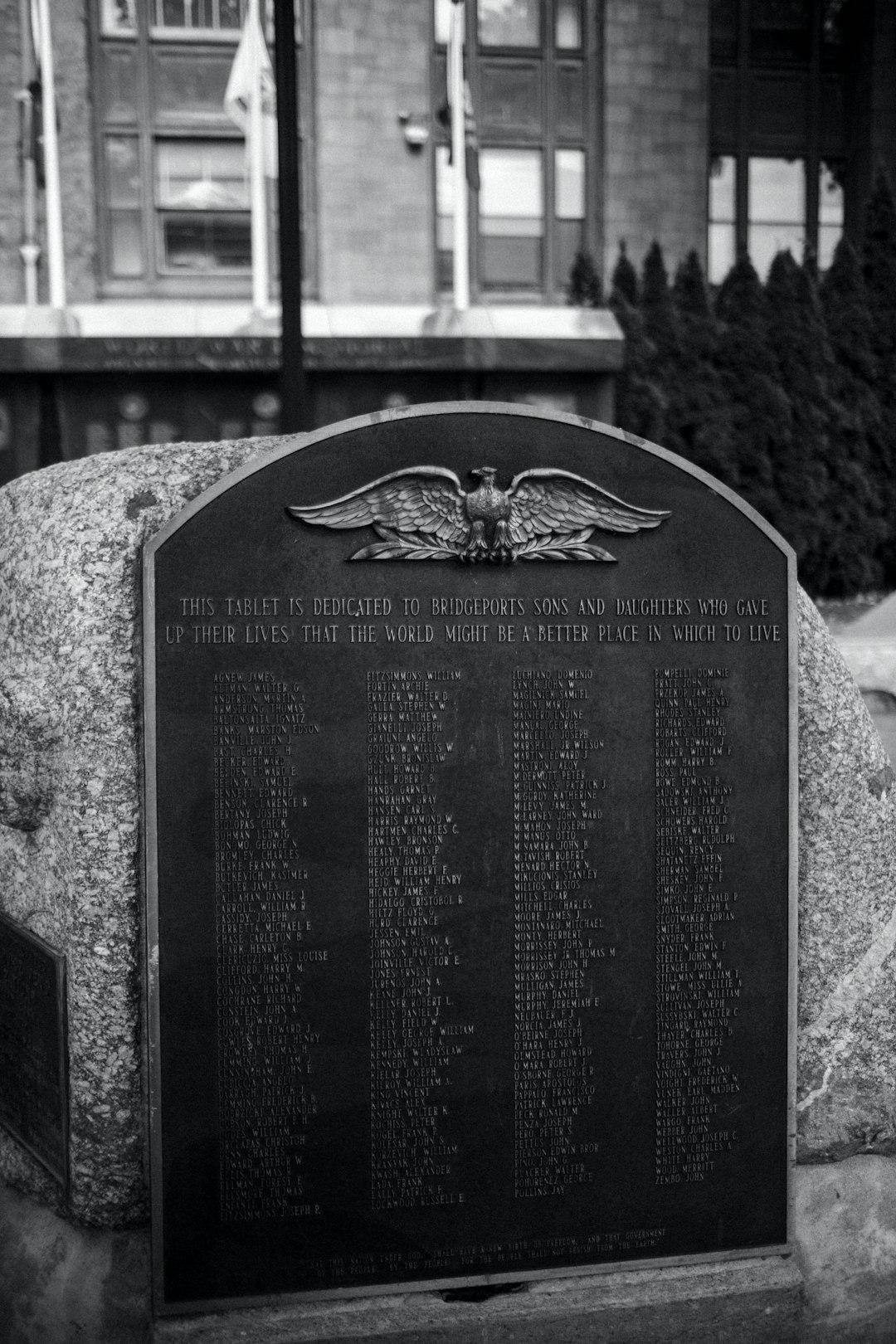

The practice of erecting grave headstones has evolved significantly over centuries, serving as a crucial element in the commemoration of the deceased. These markers not only signify the final resting places of loved ones but also facilitate a tangible connection to shared histories and collective mourning processes. Personalizing a grave headstone offers bereaved individuals a profound means of expressing their grief and honoring the unique identities of those lost. Furthermore, such customization invites critical reflection on cultural practices and ethical considerations inherent in memorialization, rendering this topic a nexus of emotional, artistic, and social significance.
Historical Significance of Grave Headstones in Commemoration Practices
Grave headstones possess profound historical significance that transcends mere markers of burial sites. They serve as tangible manifestations of cultural identity, societal values, and individual legacies. Historically, grave headstones evolved from simple earth mounds to intricate monuments, reflecting the prevailing beliefs and rituals surrounding death and remembrance.
- Cultural Reflection: Various cultures have employed distinctive forms of grave headstones, from ancient stone inscriptions in Mesopotamia to intricately designed granite slabs in contemporary cemeteries. Each design encapsulates unique religious and cultural narratives.
- Societal Hierarchies: The dimensions and materials of grave headstones often signify social status. For example, elaborate headstones adorned with carvings or gold leaf historically indicated a higher standing in society, revealing broader socio-economic contexts.
- Memorialization Practices: Grave headstones not only commemorate the deceased but also foster continued familial bonds. They facilitate the grieving process by providing a physical space for remembrance. Families often personalize their loved one’s grave headstone, integrating symbols that resonate with individual identities and collective memories.
In essence, the grave headstone functions as a pivotal icon in commemoration practices, encapsulating the intertwined narratives of heritage, memory, and cultural expression.
The Role of Personalization in Grief Expression and Healing
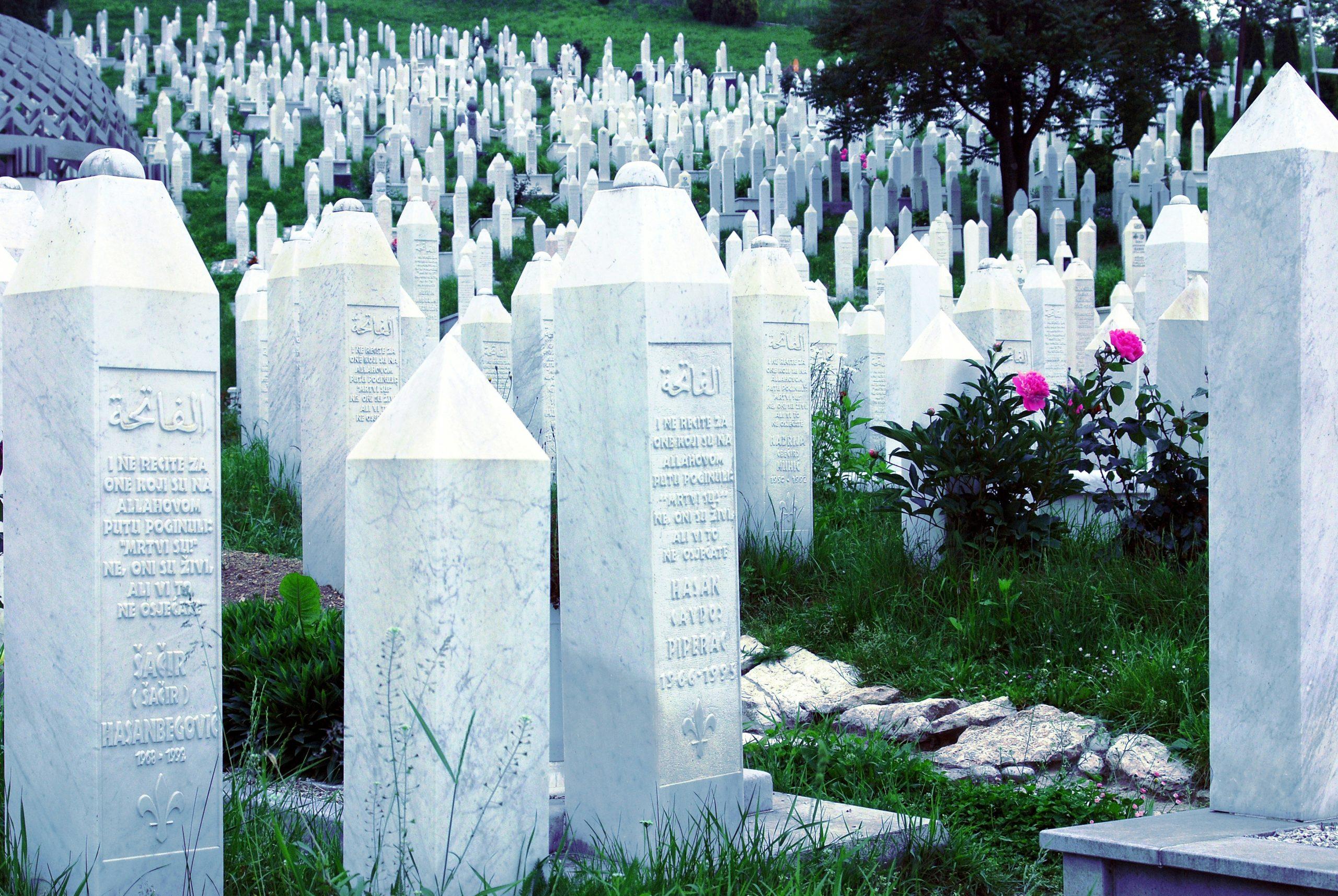
Personalization plays an integral role in the grief process, particularly concerning custom grave headstones. By crafting unique memorials, individuals affirm their connection to the deceased, thereby facilitating healing through self-expression. Consider the following ways personalization aids in this delicate journey:
- Symbolism: Engraved motifs or meaningful quotations on a grave headstone serve as potent symbols of love and remembrance. These design choices resonate deeply with mourners, encapsulating shared memories and values.
- Narrative Creation: Custom grave headstones allow families to narrate the life lived. This narrative acts as a catalyst for sharing stories, fostering communal reflection and connection among family and friends.
- Emotional Outlet: The act of designing a grave headstone provides individuals with an actionable step in their grieving process. This creative outlet can transform sorrow into a tangible expression of love and respect.
- Memory Preservation: A personalized grave headstone acts as a lasting tribute, ensuring that the memory of the departed continues to inspire and evoke emotional responses long after the initial loss.
Through these avenues, personalization not only honors the deceased but also enriches the healing experience for the bereaved, transforming grief into a more profound appreciation of life.
Design Considerations in the Creation of Custom Grave Headstones
Designing a custom grave headstone involves a multiplicity of factors that influence both its aesthetic appeal and emotional significance. When creating such a memorial, one should consider the following key elements:
- Material Selection: Common materials include granite, marble, and bronze, each offering different characteristics in terms of durability and appearance. Granite, for instance, resists weathering effectively, while marble provides a more classical aesthetic.
- Size and Shape: Headstones come in various shapes, from traditional upright slabs to flat markers. The desired size often correlates with the intended visual impact and the specific cemetery regulations.
- Inscriptions: Personal messages, dates, and symbols form the essence of the grave headstone’s sentiment. It is crucial to choose a font that not only remains legible over time but also conveys the personality of the deceased.
- Symbolic Features: Incorporating imagery, such as religious icons or personal motifs, enhances the unique narrative of the individual being commemorated. This customization allows for profound expressions of identity and memory.
By thoughtfully considering these design elements, families can create a grave headstone that truly encapsulates their loved one’s legacy while fostering a space for remembrance and healing.
Cultural and Ethical Implications Surrounding Customized Memorials
The practice of customizing grave headstones reflects a profound intersection of cultural beliefs and ethical considerations. On one hand, personalized grave headstones serve as vital expressions of individuality, allowing families to honor their loved ones in ways that resonate with their cultural heritage. Indeed, various cultures incorporate specific symbols, colors, and materials to convey unique messages, fostering a sense of belonging and solidarity.
Conversely, ethical dilemmas arise when considering the commercialization of these memorials. This phenomenon prompts critical reflection on the potential commodification of grief. Key considerations include:
- Cultural Sensitivity: Customizations should align with the deceased’s values and cultural norms.
- Artistic Integrity: The use of original designs versus corporate templates influences the authenticity of a grave headstone.
- Environmental Impact: Material choices for grave headstones must address sustainability, as some materials may hinder eco-friendly practices.
Ultimately, while the customization of grave headstones enriches memorialization, it necessitates a balanced approach that respects cultural heritage while remaining ethically responsible.
Frequently Asked Questions
What are the primary factors to consider when designing a custom grave headstone?
When embarking on the design of a custom grave headstone, several pivotal factors must be meticulously considered, ranging from the stone material to the stylistic elements and inscriptions. The choice of material—granite, marble, or bronze—significantly influences both aesthetics and durability. Moreover, the desired size and shape, as well as personalized engravings or images that reflect the individual’s life and values, are essential considerations. Additionally, adherence to cemetery regulations concerning dimensions and materials is imperative. Ultimately, the goal is to create a lasting tribute that resonates with the deceased’s legacy.
How can personalization enhance the meaning of a grave headstone?
Personalization can profoundly enhance the significance of a grave headstone by transforming a mere marker into a poignant homage that encapsulates the essence of the deceased’s life. Incorporating elements such as favorite quotes, meaningful symbols, or custom artwork allows for the reflection of individuality and shared memories, thereby fostering a deeper emotional connection for the bereaved. Such personalization not only serves to honor the memory of the departed but also provides the surviving family and friends with a tangible, commemorative expression of love and remembrance, which can be invaluable in the grieving process.
What are some common customizations available for grave headstones?
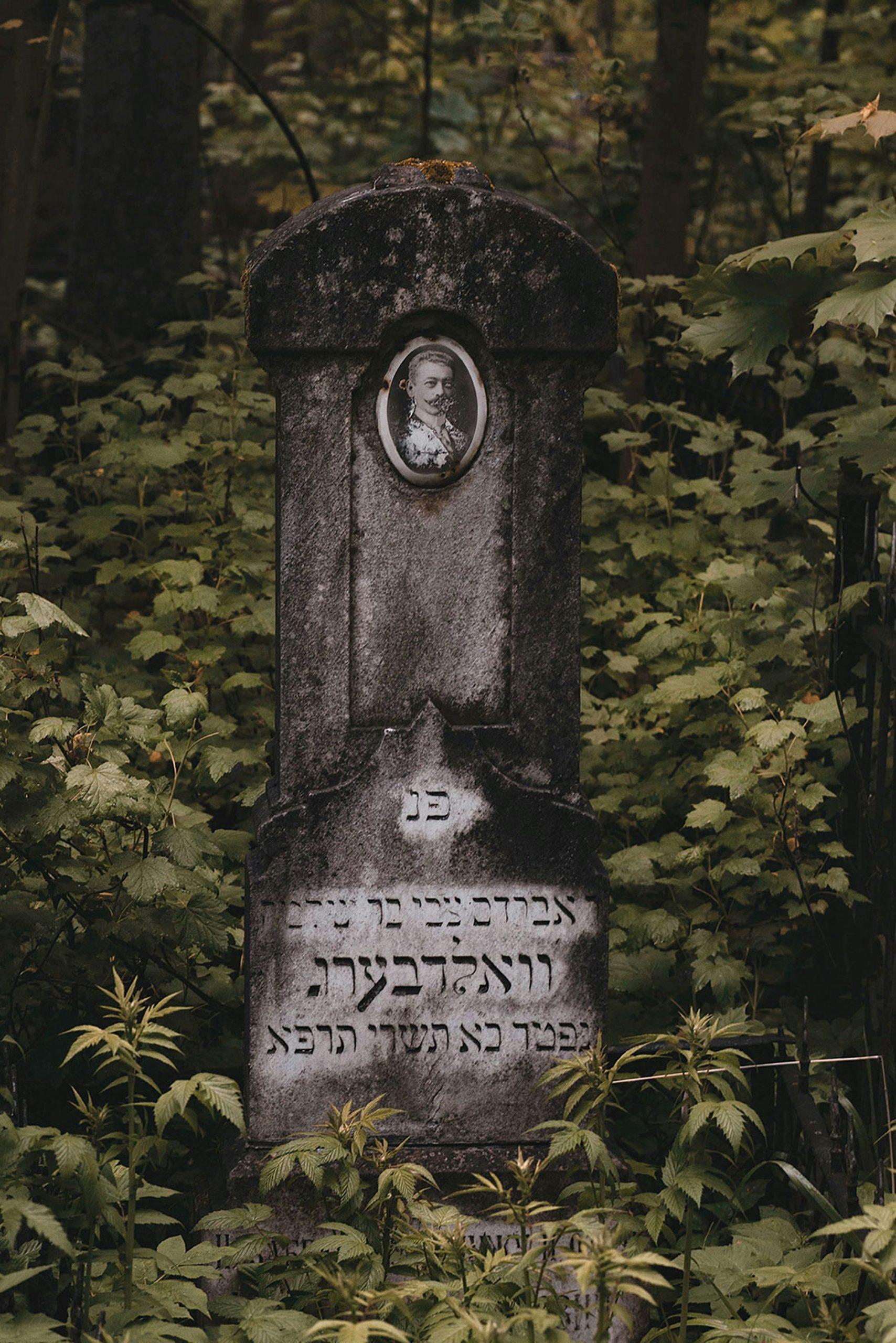
Common customizations for grave headstones encompass a wide array of options tailored to reflect the unique life and personality of the deceased. These can include varied shapes—such as hearts, crosses, or rounded tops—alongside diverse material finishes like polished or matte textures. Families may opt for intricate etchings, emblematic motifs, or even bronze plaques to illuminate significant life achievements or affiliations. Furthermore, the inclusion of personal photographs can lend an additional layer of intimacy and remembrance. Ultimately, these available customizations facilitate the creation of a distinct and heartfelt memorial that resonates with the memories shared.
What is the typical process of ordering a custom grave headstone?
The typical process of ordering a custom grave headstone generally involves several structured steps that begin with in-depth consultations with a reputable monument provider. Initially, families should discuss their ideas and preferences, including desired materials, designs, and inscriptions. Following this, a selection of potential designs and pricing options will be presented for consideration. It is crucial to review and finalize the design, ensuring it complies with any cemetery regulations. Once the specifics are confirmed, the fabrication process begins, which may take several weeks to complete, depending on the complexity of the design. Upon arrival at the cemetery, professional installation usually follows, venerating the grave with an appropriately crafted memorial.