Selecting the Best Grave Headstone Material: Pros and Cons



The selection of materials for a grave headstone is a pivotal decision, reflecting not only aesthetic preferences but also practical considerations regarding durability, maintenance, and environmental impact. Each material—ranging from the enduring strength of granite to the classic elegance of marble, and even to the eco-friendliness of alternative options—offers distinct advantages and disadvantages that merit thorough examination. As societal values evolve and the landscape of memorialization shifts, understanding these factors becomes increasingly critical for individuals seeking to honor the memory of loved ones with thoughtfully chosen grave headstones.
Granite: An In-Depth Analysis of Durability and Aesthetic Appeal
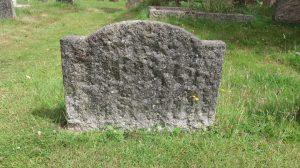
Granite remains one of the most favored materials for grave headstones, primarily due to its exceptional durability and aesthetic attributes. This igneous rock undergoes a natural formation process, resulting in a dense and robust structure that withstands weathering, erosion, and other environmental factors. Below are key aspects to consider when evaluating granite for grave headstones:
- Durability: Granite’s inherent hardness makes it resistant to scratches and chips, ensuring that inscriptions remain intact over time. It can endure exposure to harsh climatic conditions without significant degradation.
- Aesthetic Appeal: The variety of colors and patterns in granite allows for personalized designs. The polished surface reflects a subtle luster, enhancing the visual impact of the grave headstone.
- Maintenance Requirements: Granite typically requires minimal care, making it an economical choice over the long term. A simple rinse and occasional polishing suffice to maintain its appearance.
In summary, choosing granite as a material for grave headstones provides an optimal balance between enduring beauty and low maintenance, solidifying its status as a popular preference among families seeking a lasting tribute.
Marble: Evaluating the Timeless Elegance Against Practical Considerations
Marble, revered for its timeless elegance and aesthetic appeal, significantly influences grave headstone selection. Considered a symbol of prestige, marble’s variably veined surface and natural luster attract those seeking sophistication in memorialization. Nevertheless, several practical considerations merit attention.
Pros of Marble Grave Headstones
- Visual Splendor: Marble offers a range of colors and finishes, enhancing the ornamental character of grave headstones.
- Tradition: Historically, marble has served as a prominent material for memorial markers, embodying a sense of permanence.
Cons of Marble Grave Headstones
- Durability Issues: Marble’s susceptibility to weathering and acidic erosion can compromise its longevity. Over time, it may develop stains and lose its initial vibrancy.
- Maintenance Requirements: The porous nature of marble necessitates regular cleaning and sealing to preserve its appearance, potentially leading to higher maintenance costs.
In conclusion, while marble grave headstones exude an undeniable charm, individuals must weigh the balance between aesthetic allure and the practical implications of durability and maintenance.
Bronze and Metal Alloys: Assessing Longevity and Maintenance Requirements
When considering materials for a grave headstone, bronze and metal alloys present a unique blend of longevity and aesthetic appeal. These materials are renowned for their durability, often surpassing traditional stone options. Here are key factors to evaluate:
- Durability: Bronze resists corrosion, making it an excellent choice for grave headstones exposed to various weather conditions. This resilience often results in a lifespan exceeding several decades. An analysis reveals:
- Bronze: 100+ years
- Stainless Steel: 80+ years
- Maintenance: Although bronze requires minimal upkeep, it does necessitate periodic cleaning to maintain its luster. Conversely, metal alloys may show signs of oxidation, requiring protective coatings. The maintenance needs can significantly differ:
- Bronze: Light cleaning every few years.
- Alloy Metals: May need more frequent touch-ups and protective treatments.
- Cost Consideration: While bronze and metal alloys may present a higher initial investment compared to granite or marble, their longevity can ultimately render them more cost-effective over time.
In summary, selecting a grave headstone made of bronze or metal alloys ensures not only aesthetic longevity but also practical maintenance considerations, blending durability with visual appeal.
Wood and Alternative Materials: Exploring Environmental Impact and Cost-Effectiveness
The selection of a grave headstone material extends beyond aesthetic preferences, increasingly incorporating considerations of environmental sustainability and economic viability. Alternative materials, such as wood and composite options, present distinct advantages and challenges in this regard.
Advantages of Wood and Alternative Materials:
- Environmental Impact:
- Wood, particularly when sourced from sustainable forests, provides a biodegradable option that minimizes ecological footprint.
- Biocomposite materials, derived from recycled resources, reduce landfill waste and promote circularity in production.
- Cost-Effectiveness:
- Initial expenses for wooden grave headstones are generally lower than those of more traditional materials like granite.
- Maintenance costs tend to be less prohibitive, provided the wood is properly treated against elements.
Challenges Associated with Wood and Alternatives:
- Durability:
- Unlike granite or metal, wood exhibits susceptibility to weathering, pest damage, and decay.
- Longevity:
- The lifespan of a wooden grave headstone typically falls short compared to sturdier materials, raising concerns over long-term sustainability.
In summation, while wood and alternative materials offer appealing cost and environmental advantages, their durability and longevity significantly impact their viability as grave headstone choices. Consequently, individuals must weigh these factors carefully in their decision-making processes.

Frequently Asked Questions
What are the most common materials used for grave headstones, and what are their specific advantages?
Grave headstones are primarily constructed from varied materials, with the most prevalent being granite, marble, sandstone, and bronze. Granite, renowned for its durability and resistance to weathering, offers a vast array of colors and patterns, making it a favored choice for many. Marble, while aesthetically pleasing due to its classic appearance, is generally less durable than granite and can be susceptible to acid rain. Sandstone, though less frequently used, provides a unique texture and natural look, but may not withstand harsh environmental conditions effectively. Bronze, often used for plaques, possesses a timeless appeal and durability but can be subject to tarnishing. Ultimately, the selection of material hinges on aesthetic preferences, budgetary constraints, and the desired longevity of the memorial.
What are the disadvantages of using softer stone materials for headstones?
Utilizing softer stone materials, such as marble or sandstone, for headstones presents several disadvantages which primarily revolve around their vulnerability to environmental factors. Softer stones are more prone to chipping, cracking, and overall degradation due to exposure to the elements, including rain, frost, and pollution. Over time, these materials may exhibit signs of wear and tear, leading to the loss of inscriptions and diminishment of the headstone’s visual appeal. Additionally, softer materials typically require more frequent maintenance and can incur higher long-term costs as they necessitate repairs or replacements that could have been avoided with more resilient materials. In essence, the aesthetic charm of softer stone must be weighed against its longevity and upkeep.
How should one determine the best material for a grave headstone based on climate conditions?
Determining the optimal material for a grave headstone in relation to climate conditions necessitates a thorough analysis of both the geographical region and its climatic variations. For instance, in temperate zones with considerable rain and seasonal frost, durable materials such as granite are advisable, as they possess a robust resilience to water absorption and freeze-thaw cycles that can damage softer stones. Conversely, in arid climates where extreme temperatures may prevail, using materials like granite or bronze can provide both durability and a resistance to sun exposure, thereby preventing fading and structural compromises. Moreover, regional environmental factors, including the presence of salt from coastal areas or pollutants in urban settings, should also be considered when choosing a material, as they can significantly affect the longevity of the headstone.
What is the cost implication of choosing different headstone materials, and how can one budget for these expenses?
The cost of headstone materials varies considerably, influencing budgeting decisions significantly. Granite headstones can range from moderately priced to very expensive, with costs largely determined by factors like color, finish, and size, often ranging from $1,000 to $3,000 or more. Marble, while initially less expensive, can incur additional costs over time due to maintenance and repairs, often resulting in a total expenditure that may surpass granite. Bronze markers generally occupy a mid-range pricing tier but can be costly depending on their size and design intricacies. Budgeting for these expenses should include not only the initial purchase but also potential long-term costs such as installation, maintenance, and any future repairs necessary to preserve the headstone’s integrity. Prospective buyers are encouraged to conduct thorough market research and consult with memorial service providers to establish a comprehensive financial plan.