The Beauty of Grave Roses: Adding Love and Care to Memorials



The incorporation of grave roses into memorialization practices embodies a profound interplay of historical significance, cultural connotations, and emotional resonance. As decorative flora imbued with symbolism, these vibrant blooms not only enhance the aesthetic appeal of gravesites but also facilitate a psychological engagement with loss, fostering a space for reflection and remembrance. Research underscores the therapeutic benefits associated with such nature-infused memorials, suggesting that grave roses serve not merely as ornamental additions, but as pivotal elements in the grieving process, thus deepening the connection between the living and the departed.
Historical Significance of Grave Roses in Memorialization
The grave rose plays a pivotal role in memorialization, serving not merely as an aesthetic contribution but as a profound symbol of emotion and remembrance. Historically, roses have represented various virtues, such as love, passion, and respect, which translates seamlessly into their use in funerary practices.
- Ancient Traditions: Civilizations such as the Egyptians and Romans utilized roses to honor the deceased, believing that their fragrance bridged the gap between the living and the dead. Similarly, the Greeks associated roses with the goddess of love, enhancing their symbolic importance in memorial contexts.
- Medieval Practices: During the medieval period, roses adorned the graves of saints and nobility, reflecting societal status and the belief in an afterlife where beauty persists.
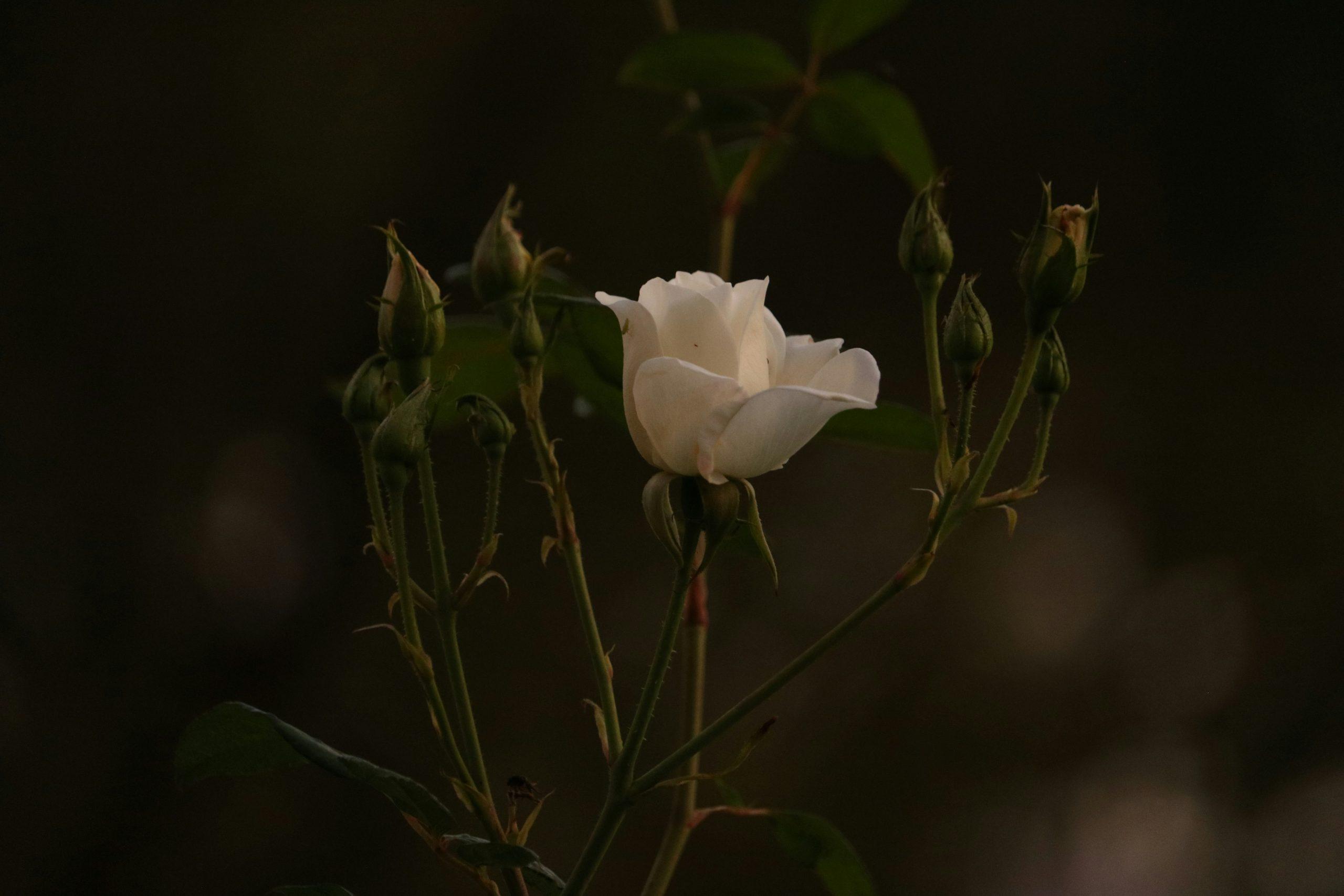
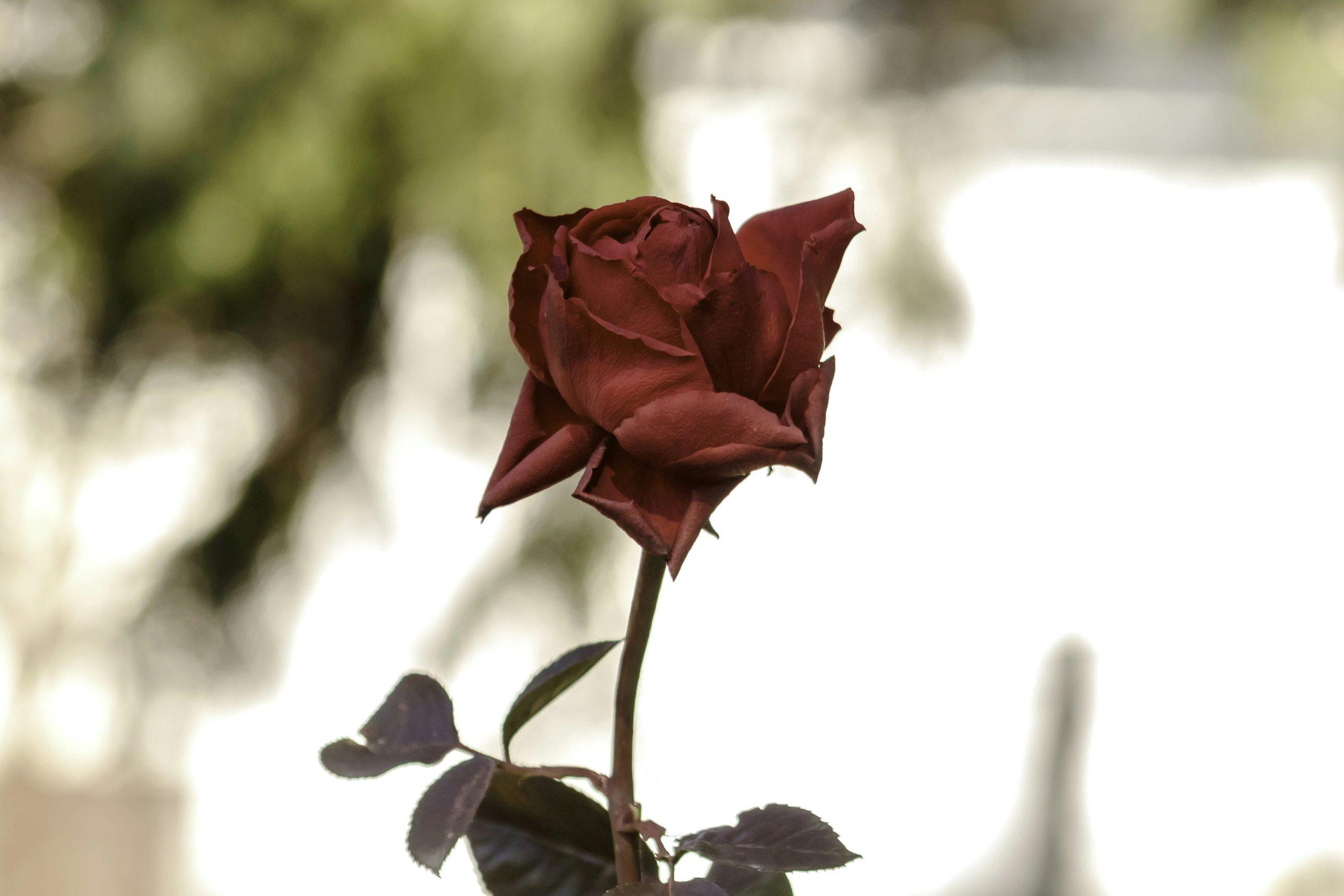
- Modern Adoption: In contemporary funerary rites, the grave rose has become a universal symbol of homage, transcending cultural boundaries. Different colors and varieties manifest distinct emotions; for instance, red symbolizes enduring love, while white signifies purity and innocence.
Therefore, the grave rose encapsulates both historical reverence and personal sentiment, making it an indispensable element in memorialization.
Symbolism and Cultural Connotations of Roses at Gravesites
Roses, particularly Grave Roses, carry profound symbolism in the context of memorialization. Throughout history, these blossoms have represented various emotions, embodying the complexities of human sentiment towards loss and remembrance. The placement of Grave Roses at cemeteries reflects deep cultural connotations that resonate across diverse societies.
- Love and Respect: In many cultures, roses signify enduring love. Placing a grave rose symbolizes the connection between the deceased and their loved ones, serving as a tangible reminder of affection that transcends mortality.
- Memorialization: The ritual of adorning graves with Grave Roses cultivates an atmosphere of remembrance. These flowers not only honor the lives lost but also invite contemplation on life’s transient nature.
- Spiritual Significance: In some traditions, roses represent spiritual rebirth and are thought to guide the souls of the departed. Thus, the grave rose becomes a conduit for communication between the living and the spirit world.
Through these lenses, Grave Roses serve not merely as decorative elements but as profound symbols of love, loss, and respect, enriching the experience of memorialization.
Practical Considerations for Incorporating Roses in Memorial Spaces
Incorporating Grave Roses into memorial spaces requires thoughtful planning and execution. Various factors influence the successful integration of these beautiful flowers at gravesites, ensuring they convey both aesthetic appeal and profound symbolism.
Key Considerations:
- Climate and Environment: Assess the local climate, as certain rose varieties thrive in specific conditions. Opt for hardy species, such as Floribunda or Hybrid Tea roses, which endure varying weather patterns.
- Maintenance Requirements: Roses necessitate regular care, including watering, pruning, and pest control. Establish a maintenance routine to preserve the vibrancy of the grave rose and sustain its symbolic power.
- Placement and Design: Strategically position the grave rose within the memorial space. Considerations such as sunlight, adjacent flora, and the overall layout enhance visual impact.
- Durability: Employ rose varieties known for their longevity, or incorporate artificial Grave Roses that mimic natural beauty while minimizing upkeep.
- Personalization: Customize arrangements with meaningful materials, such as stones or plaques, to create a unique tribute that resonates emotionally.
Through meticulous planning, the integration of Grave Roses can transform memorial spaces into enduring symbols of love and remembrance.
Emotional Impact: The Therapeutic Benefits of Grave Roses for Grief Processing
In the spectrum of grief processing, Grave Roses serve as poignant symbols that facilitate emotional healing. Their presence in memorial spaces not only commemorates lost loved ones but also provides a catalyst for introspection and comfort. The therapeutic benefits of incorporating Grave Roses into memorial rituals are profound and can be categorized as follows:
- Emotional Connection: The act of tending to Grave Roses creates a tangible connection between the bereaved and the deceased. This connection significantly aids in alleviating feelings of isolation during the mourning process.
- Symbol of Love: Roses intrinsically symbolize love and affection. Their use at gravesites reinforces the enduring bond between the living and those who have passed, serving as a silent yet powerful reminder of shared memories.
- Mindfulness and Reflection: Engaging in the care or decoration of a grave with Grave Roses encourages mindfulness. This focused activity can provide moments of peace and reflection, aiding in the healing journey.
In summary, the therapeutic benefits of Grave Roses in grief processing underscore their vital role in memorialization, promoting emotional resilience during one of life’s most challenging experiences.
Frequently Asked Questions
What are grave roses and their significance in memorials?
Grave roses are floral arrangements typically placed on graves to honor and memorialize the deceased. Their significance lies within the emotive symbolism they convey—roses are often associated with love, beauty, and remembrance, imbuing memorial sites with an enduring presence of affection. By adorning graves with these flowers, mourners not only express their sorrow but also celebrate the positive memories of the departed, creating an enduring bond that transcends mortality.
How can one properly care for grave roses to ensure their longevity?
Proper care for grave roses involves several dedicated practices that aim to sustain their visual appeal and emotional impact. It is essential to select roses bred for resilience in outdoor conditions, alongside regular maintenance which may include watering, replacing wilted flowers, and pruning any dead foliage. Furthermore, it is advisable to position the arrangements strategically to avoid exposure to harsh elements such as direct sunlight or extreme moisture, thereby prolonging their vibrancy while honoring the memory of the deceased in a dignified manner.
Are there specific types of roses recommended for grave decorations?
While numerous rose varieties can be utilized for grave decoration, it is advantageous to choose those known for their hardiness and ability to endure environmental stresses. Such varieties might include hybrid tea roses, floribunda roses, or shrub roses, which have shown resilience in various climates. Additionally, selecting seasonal blooms that reflect the time of year may significantly enhance the aesthetic appeal of the memorial site, fostering a space that not only commemorates life but also resonates with the changing beauty of nature.
What alternative flowers can be used alongside grave roses for decoration?
In conjunction with grave roses, numerous alternative floral choices can be incorporated to create a diverse and visually compelling memorial arrangement. For instance, lilies protrude with significance, often symbolizing purity and restoration. Chrysanthemums, revered for their rich historical connotations of remembrance, can also enhance the composition, as can seasonal blooms such as pansies or snapdragons that add color and texture. Utilizing a variety of flowers not only personalizes the memorial but also resonates with the deceased’s personality or preferences, fostering a more intimate homage.


